


Why Protein Is the Morning MVP
Shifting your first meal of the day to be protein-centric isn't just a trend; it's a strategic move for better health and sustained energy. Protein has a higher thermic effect than carbohydrates or fats, meaning your body uses more energy to digest it.
But the main benefit is satiety. A protein-rich breakfast helps regulate appetite by reducing ghrelin, the hunger hormone, keeping you feeling full and satisfied for longer. This can lead to less mindless snacking and better food choices throughout the day. Furthermore, it helps stabilise blood sugar levels, preventing the sharp energy crash that often follows a carb-heavy meal like toast or cereal. This stable energy supply is crucial for maintaining focus and concentration, whether you're at work or managing a busy household.
How Much Protein Do You Need?
You don't need to consume massive quantities to reap the rewards. Most experts suggest a target of around 20 to 30 grams of protein for your morning meal. This amount has been shown to be effective for improving satiety and supporting muscle health. For context, two eggs provide about 12-14 grams, a cup of Greek yogurt can offer 15-20 grams, and 100 grams of paneer contains roughly 18-20 grams of protein. The goal is to make protein a significant component of your plate, not necessarily the only one.
Quick Indian Vegetarian Ideas
For many, the biggest hurdle is time. Fortunately, many traditional Indian breakfast options are naturally rich in protein and can be prepared in minutes. Paneer Bhurji is a prime example; a simple scramble of crumbled paneer with onions, tomatoes, and spices can be ready in 10 minutes and packs a serious protein punch. Another fast option is a Moong Dal Chilla, a savoury pancake made from lentil batter that can be prepared ahead of time. For a no-cook solution, consider a simple sprouts chaat with chopped vegetables or a glass of sattu sharbat, a traditional roasted gram flour drink popular in Bihar. Even your regular poha can get a protein boost by adding peanuts, sprouts, or crumbled paneer.
The Ever-Reliable Egg
Eggs are a global breakfast champion for a reason: they are a complete protein source and incredibly versatile. An Indian-style masala omelette or a simple egg bhurji (scrambled eggs with spices) are quick, familiar, and effective ways to meet your morning protein goals. You can enhance the protein content further by combining eggs with paneer for a mixed bhurji that is both texturally interesting and nutritionally dense. For those with truly no time to cook in the morning, keeping a few hard-boiled eggs in the fridge provides an instant, grab-and-go protein source.
Modern Twists and Prep-Ahead Heroes
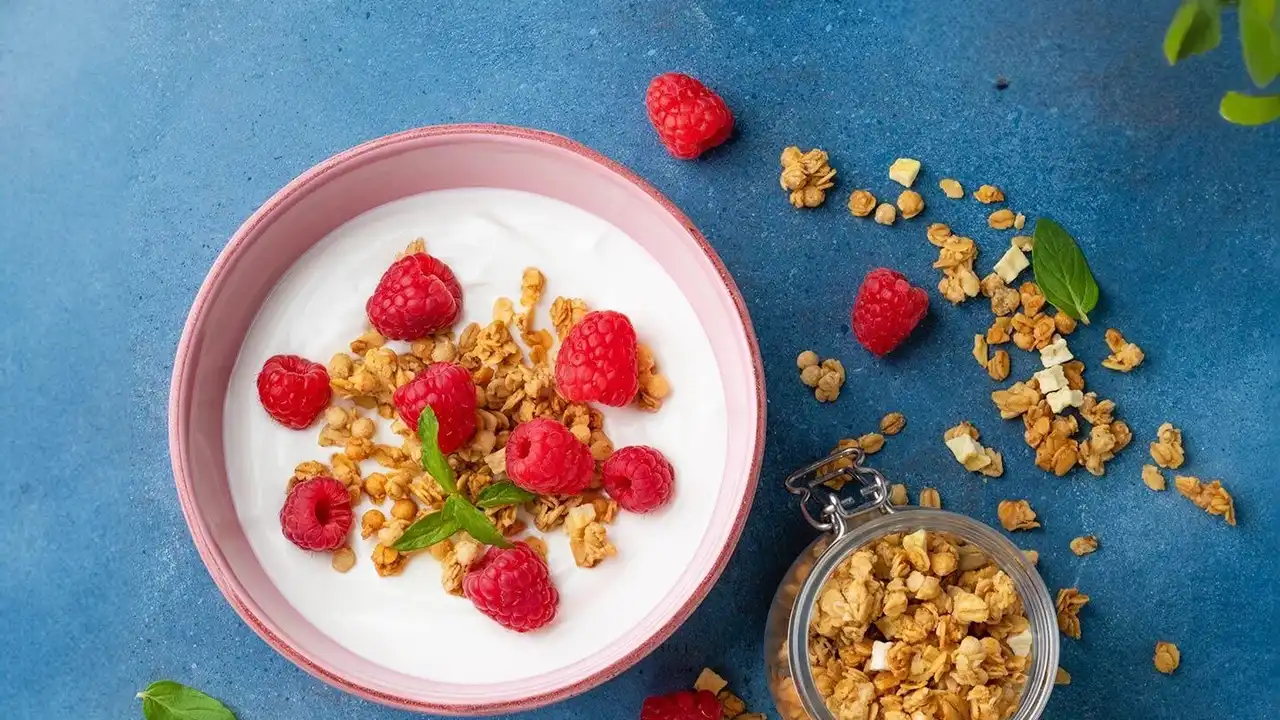
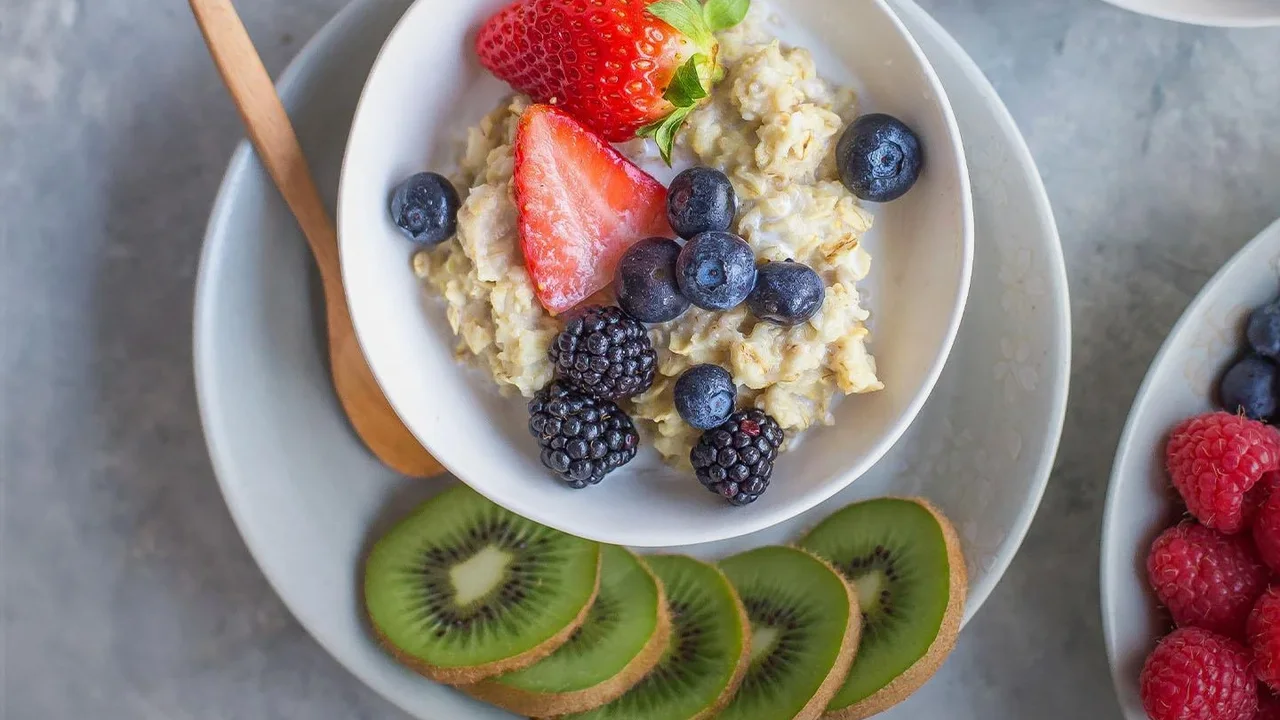
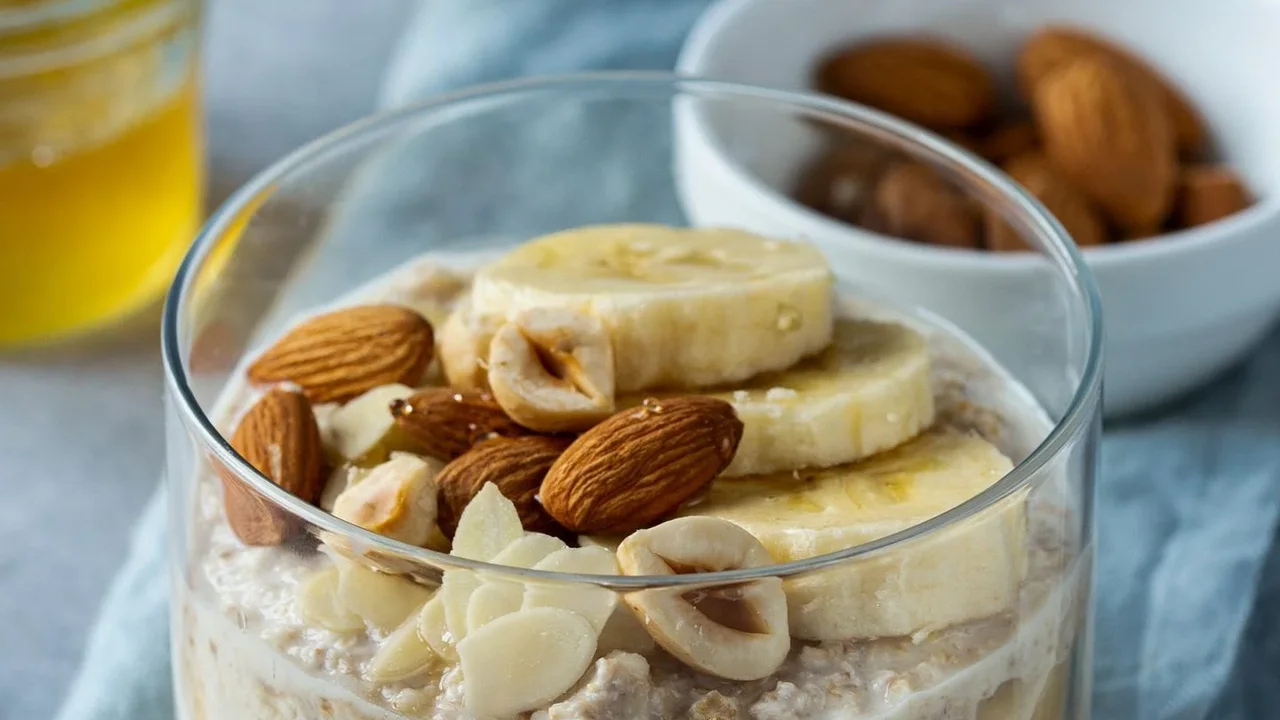
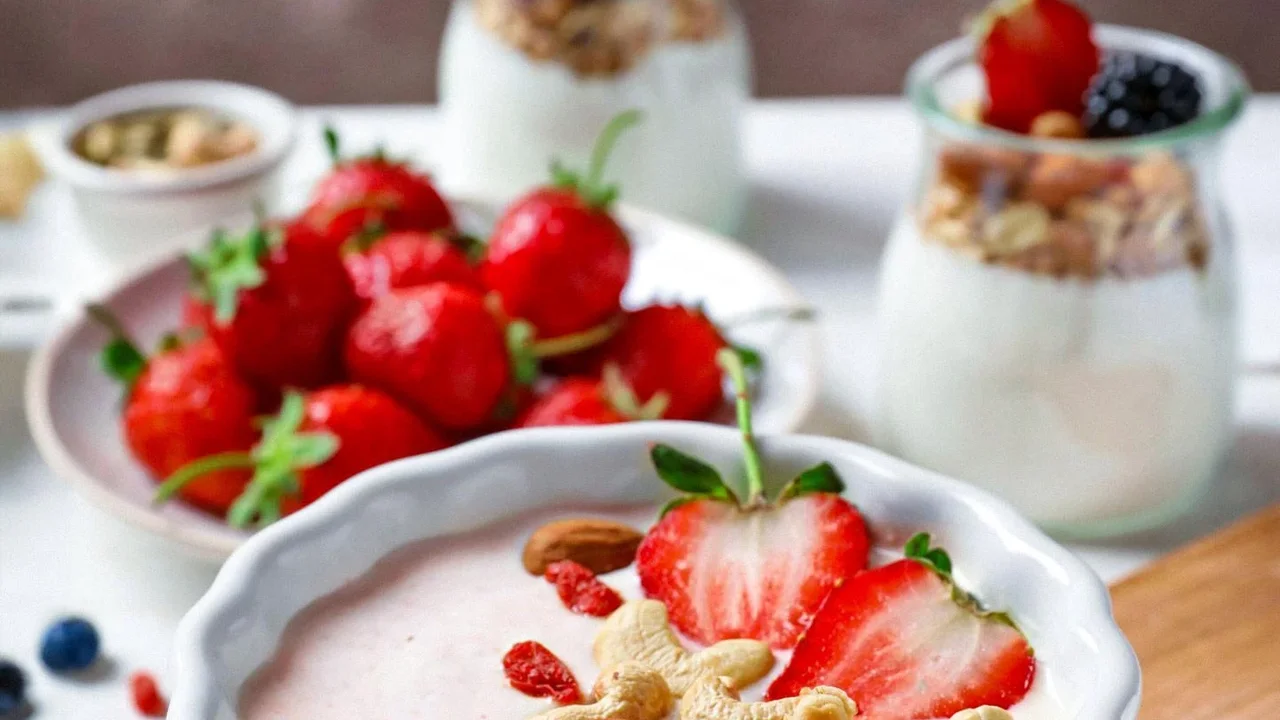
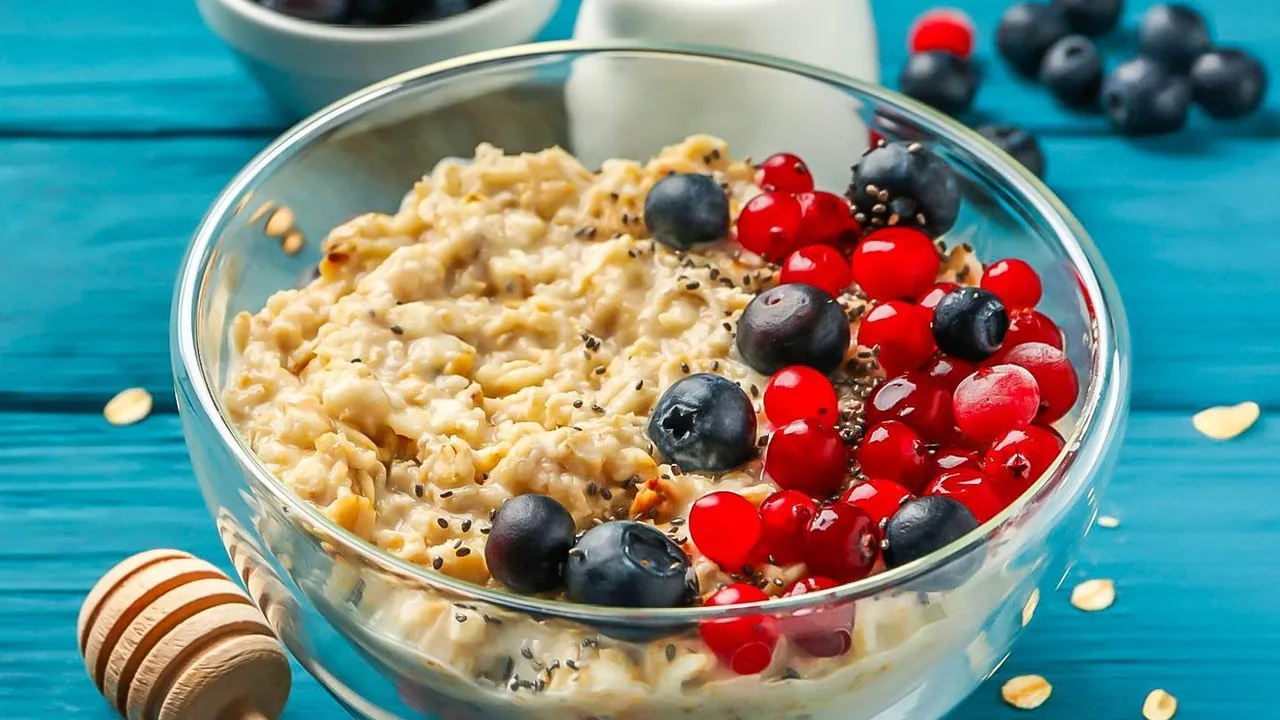
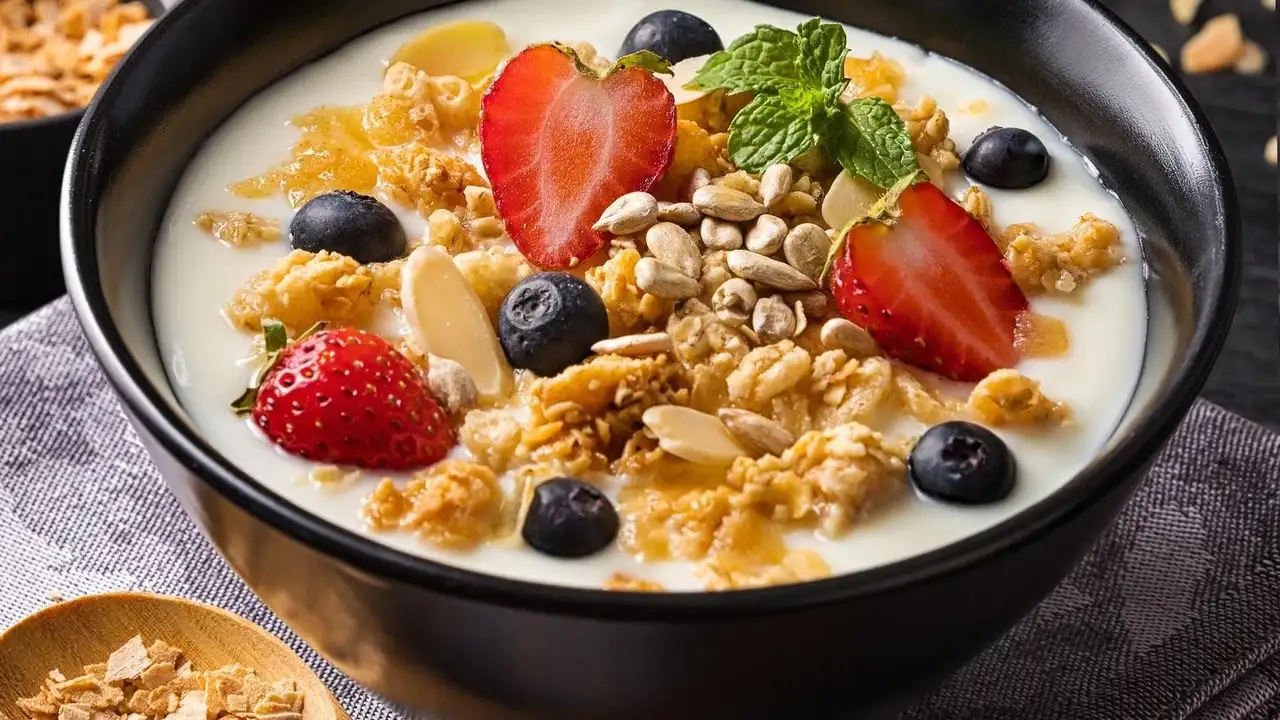
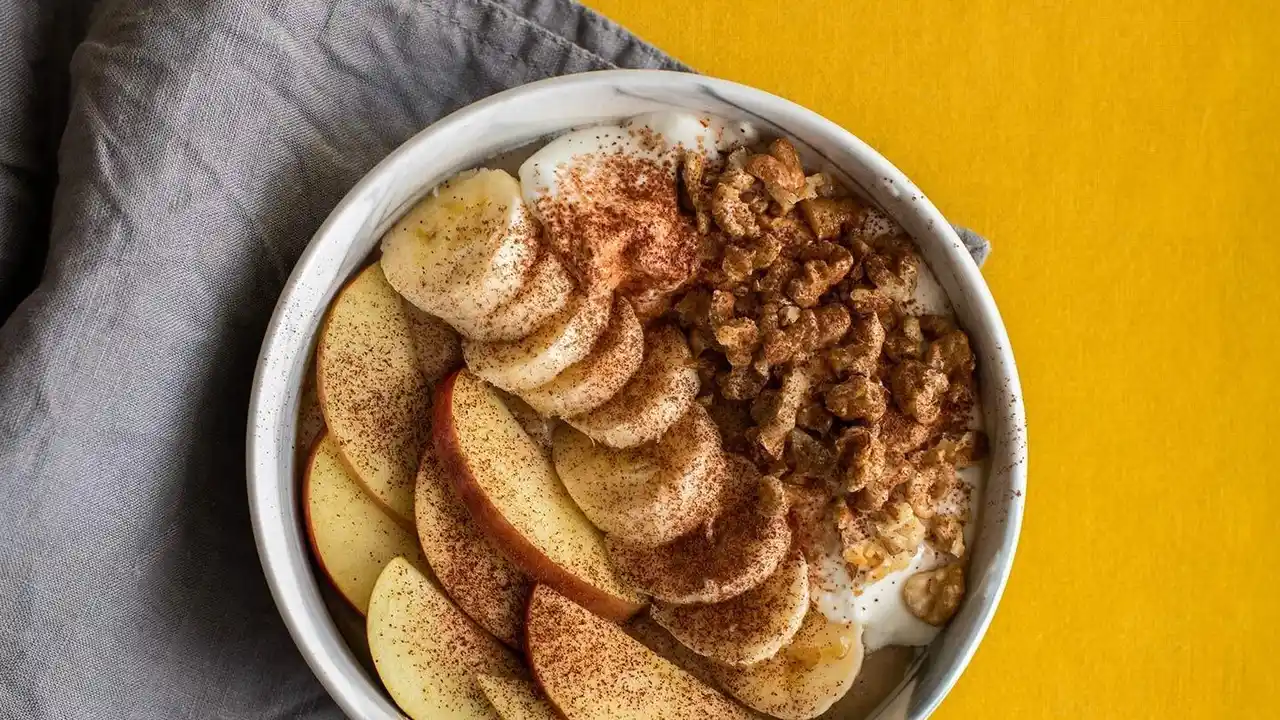
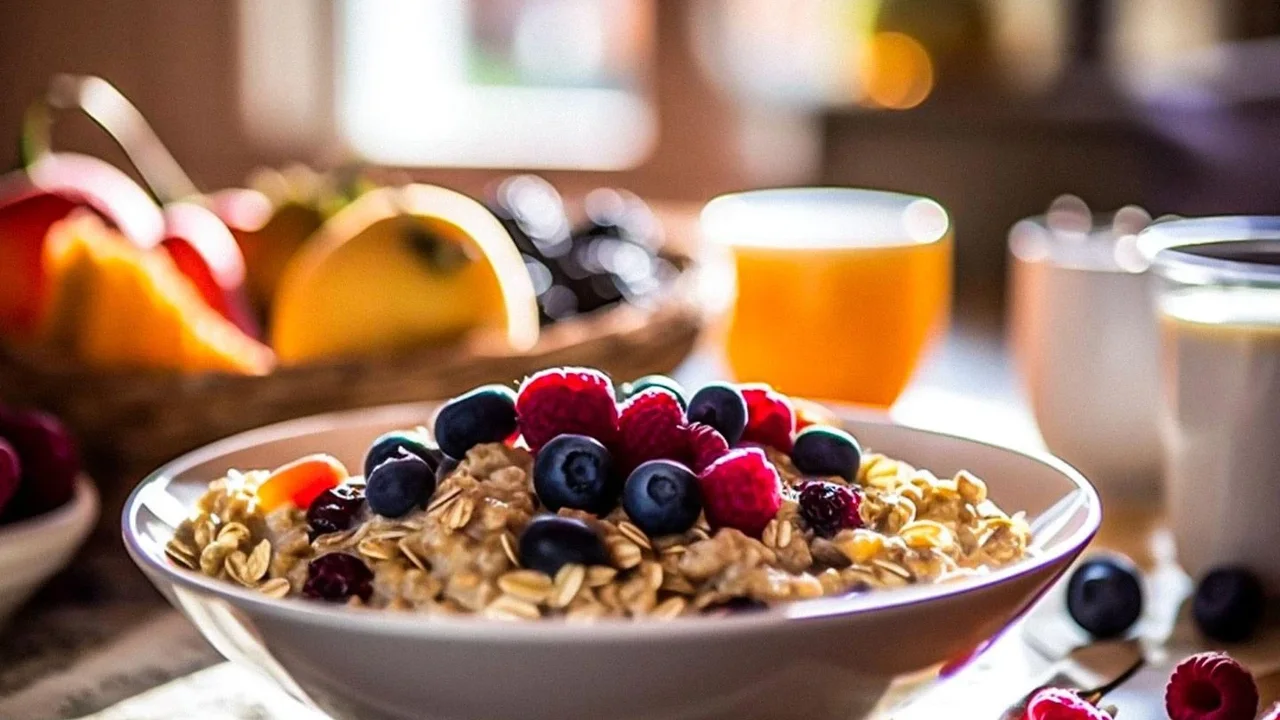
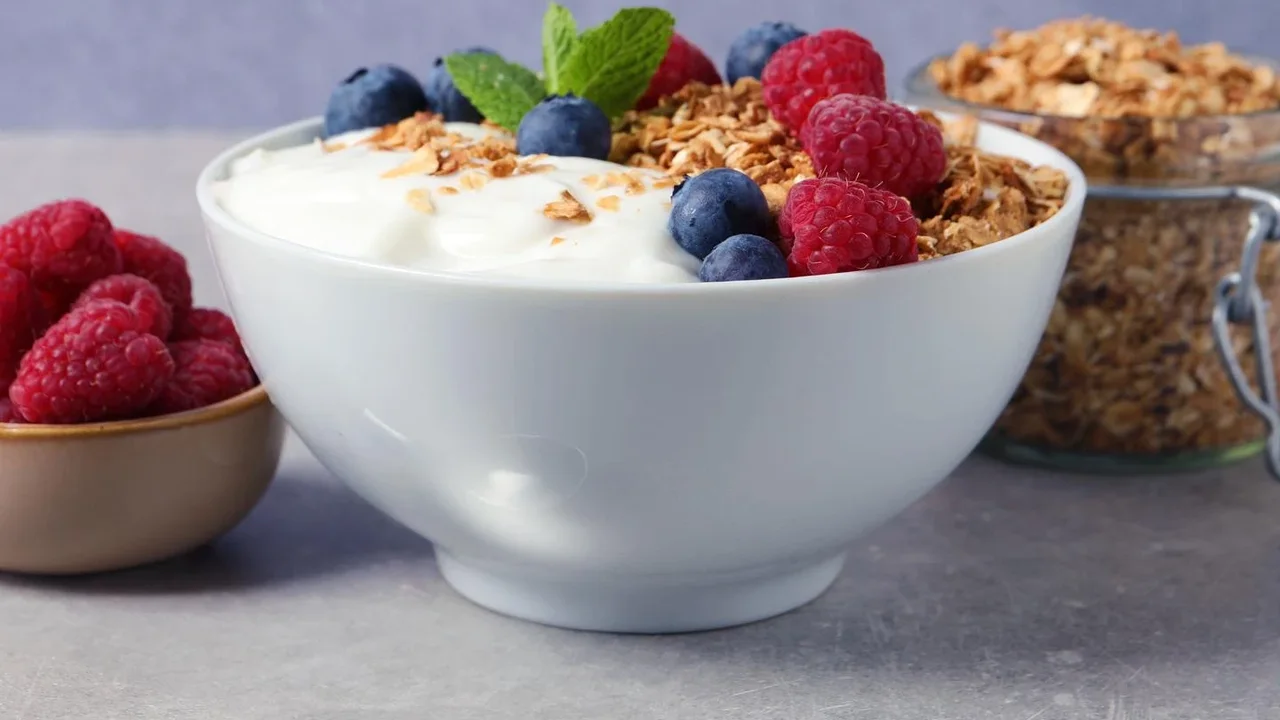
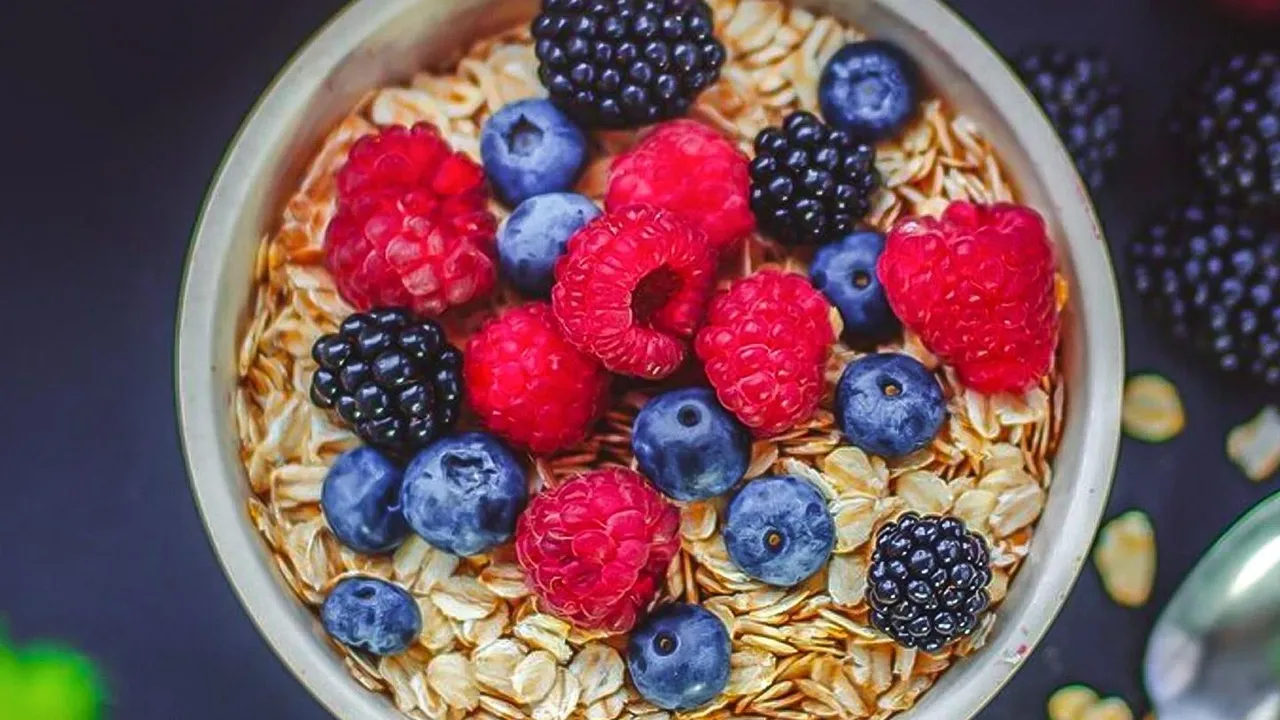
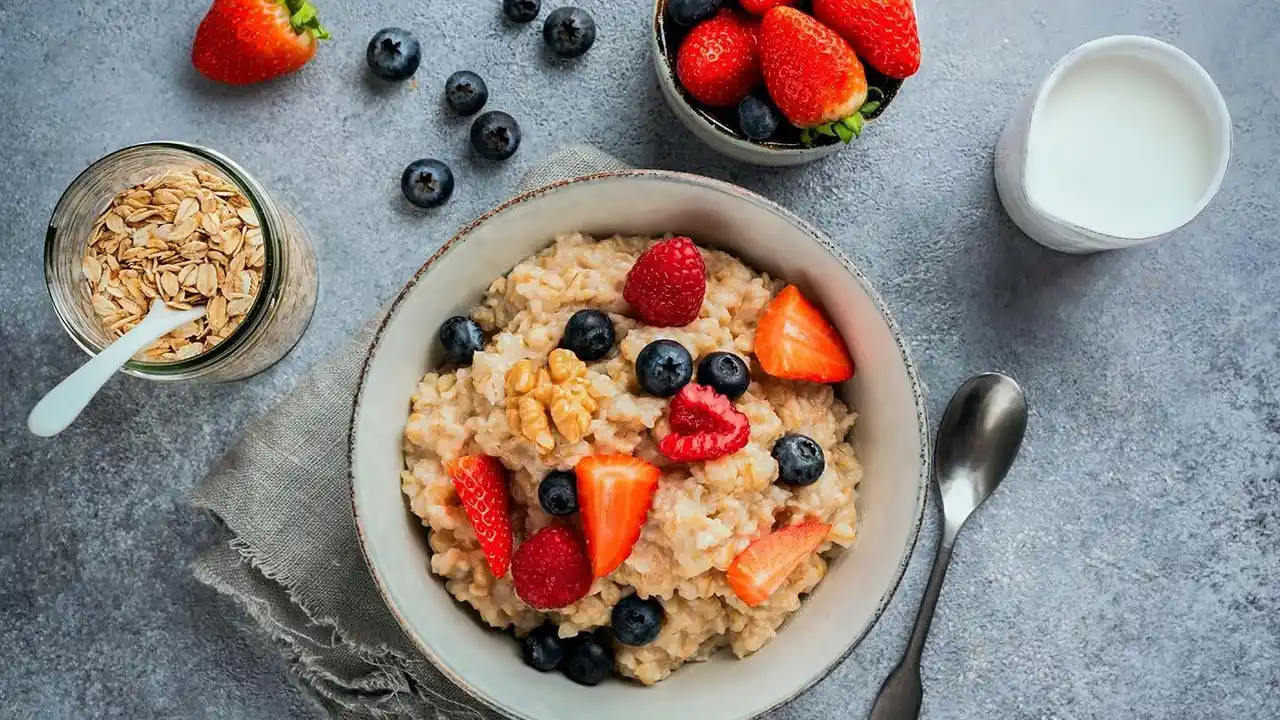
Beyond traditional recipes, modern options are also gaining traction. Greek yogurt or thick hung curd, when topped with nuts, seeds, and fruit, becomes a complete meal that requires zero cooking. Protein smoothies, blending yogurt, milk, or a scoop of protein powder with fruits and seeds, are another customisable and quick option. For those who like to plan ahead, overnight oats can be made protein-rich by using milk and Greek yogurt as a base and adding chia seeds or nuts. Similarly, batters for besan or moong dal chillas can be prepared over the weekend and stored in the fridge for weekday use, cutting morning prep time to just a few minutes.