







1. Seal Roofs and Walls
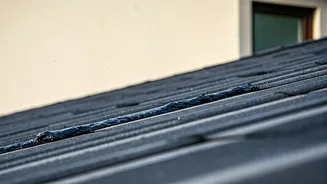
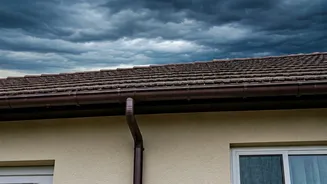
Your home's first line of defence is its roof and exterior walls. Before the downpours begin, conduct a thorough visual inspection. Look for cracked or missing tiles on the roof, and any visible cracks in the exterior plaster. Water has a knack for finding
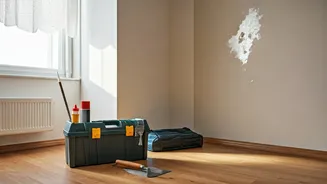
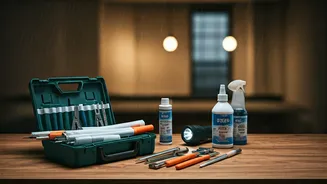
the smallest entry point, leading to ugly damp patches, peeling paint, and even structural damage over time. For minor cracks, a high-quality waterproof sealant or crack-filler paste can be a great DIY fix. However, if you spot significant damage, loose tiles, or large cracks, it is crucial to call a professional roofer or contractor. Ignoring a small leak can lead to a much bigger, more expensive problem once the monsoon is in full swing.
2. Unclog Drains and Gutters
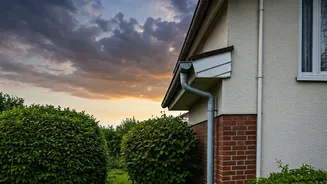
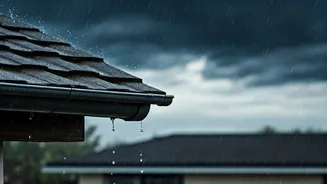
This is one of the most critical and often overlooked tasks. Over the dry months, your drains, gutters, and downpipes accumulate a surprising amount of dust, leaves, bird nests, and other debris. When the first heavy rains arrive, this blockage prevents water from flowing away from your home. The result? Water overflowing from your terrace, seeping into walls, and potentially flooding balconies or even entering the house. Get your hands dirty or hire someone to thoroughly clean all drainage channels. Ensure water can flow freely and away from your home's foundation. A simple check now prevents a major waterlogging headache later.
3. Waterproof Key Areas
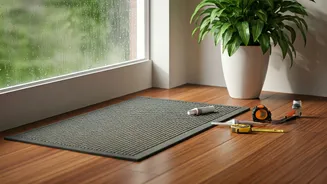
Certain areas of the house are more vulnerable to moisture than others. Balconies, terraces, and the external walls facing the predominant wind direction take the brunt of the lashing rain. Applying a fresh coat of waterproof paint or a clear sealant to these surfaces can create an effective moisture barrier. Pay special attention to the joints where the floor and wall meet in balconies. Inside, check for any gaps around window frames. Water can seep in through these tiny openings, ruining your walls and flooring. Use silicone caulk to seal these gaps effectively, ensuring your windows are as watertight as they are weatherproof.
4. Check Your Electricals
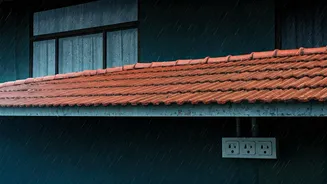
Water and electricity are a deadly combination. High humidity and dampness can wreak havoc on your home's wiring. Before the monsoon, get an electrician to inspect your home's entire electrical system. This includes checking for any exposed wires, cracked insulation, and faulty switches. Ensure all outdoor wiring is properly insulated and protected from direct contact with rain. If any of your walls show signs of dampness, check the wiring in that area immediately to prevent short circuits. Consider installing an Earth Leakage Circuit Breaker (ELCB) or a Residual Current Circuit Breaker (RCCB), which can automatically cut off the power supply in case of a leak, preventing electric shocks.
5. Protect Wooden Doors and Furniture
Wood is hygroscopic, meaning it absorbs moisture from the air. During the monsoon, the high humidity causes wooden doors, window frames, and furniture to swell. This is why doors often get jammed and become difficult to open or close. To prevent this, apply a fresh coat of varnish or paint to your wooden fixtures. This creates a protective layer that repels moisture. For valuable wooden furniture, keep it slightly away from damp walls. Placing small, moisture-absorbing silica gel packs inside wardrobes and cabinets can also help protect your clothes and other items from getting a musty smell.
6. Prepare for Pest Invasions
The monsoon is prime time for pests. Cockroaches, ants, termites, and mosquitoes thrive in damp and humid conditions, and they often seek shelter inside our homes. Start by sealing any cracks or holes in your walls, floors, and around pipes where they might enter. Ensure your garbage bins have tight-fitting lids and are emptied regularly. Prevent water from stagnating in and around your home—check plant pots, air cooler trays, and any outdoor containers, as these are breeding grounds for mosquitoes. A thorough pest control treatment just before the rains can provide a strong barrier against these unwelcome guests.