



The Road to a Historic Launch
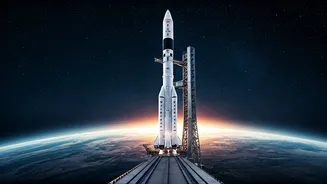
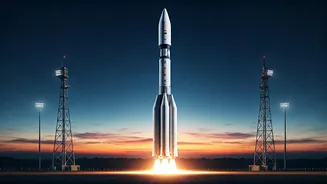
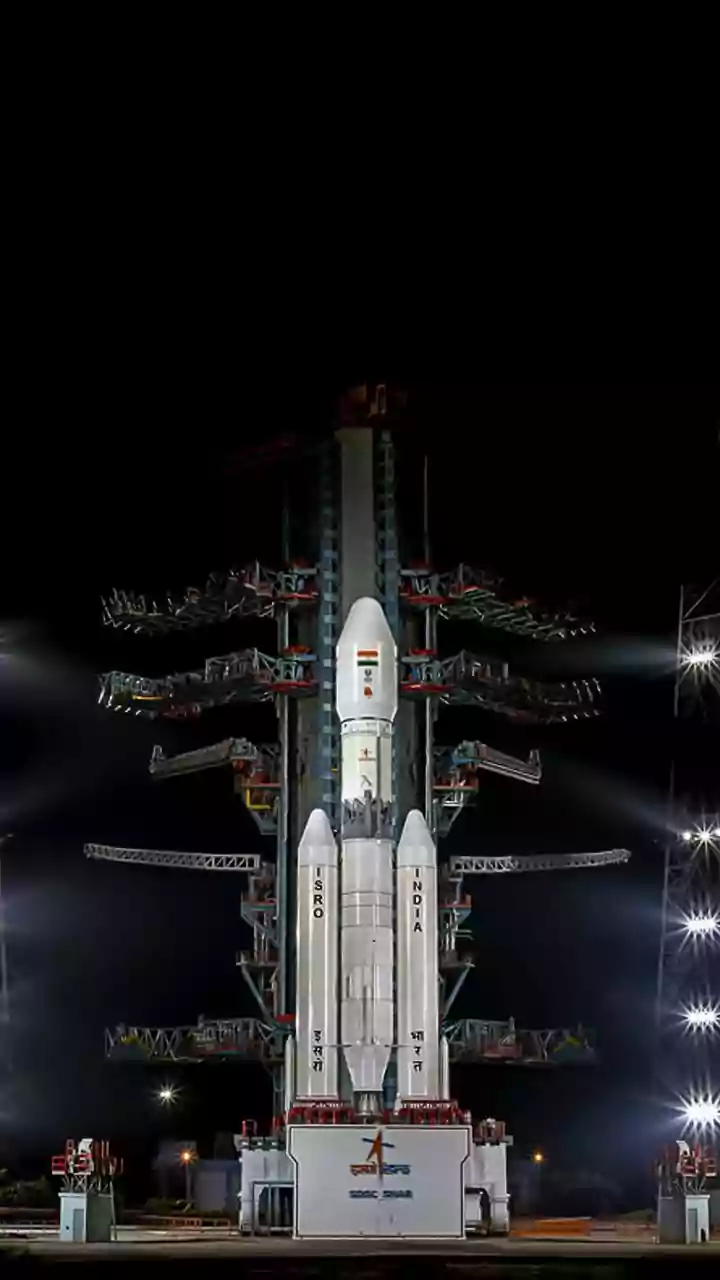
The Indian Space Research Organisation (ISRO) is meticulously preparing for the nation's maiden human spaceflight. The Gaganyaan programme is designed to demonstrate the capability to send a crew of up to three astronauts into a 400-kilometre orbit for a three-day
mission before safely returning them to Earth. [4] Before Indian astronauts, or 'Vyomanauts', make the journey, ISRO has planned a series of uncrewed test flights to validate every system. [5] The first uncrewed mission, G1, is a crucial systems-validation flight planned for this year. [2] Recent statements from officials confirm that the program is in its final phase, with preparations accelerating towards these vital test missions that will ensure the safety and success of the eventual crewed launch. [4, 6]
What is the Gaganyaan Mission?
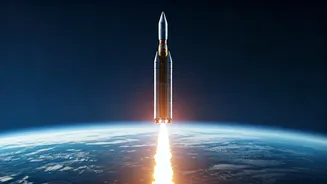
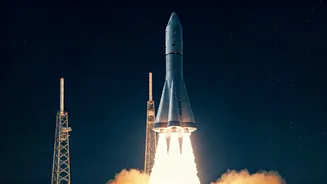
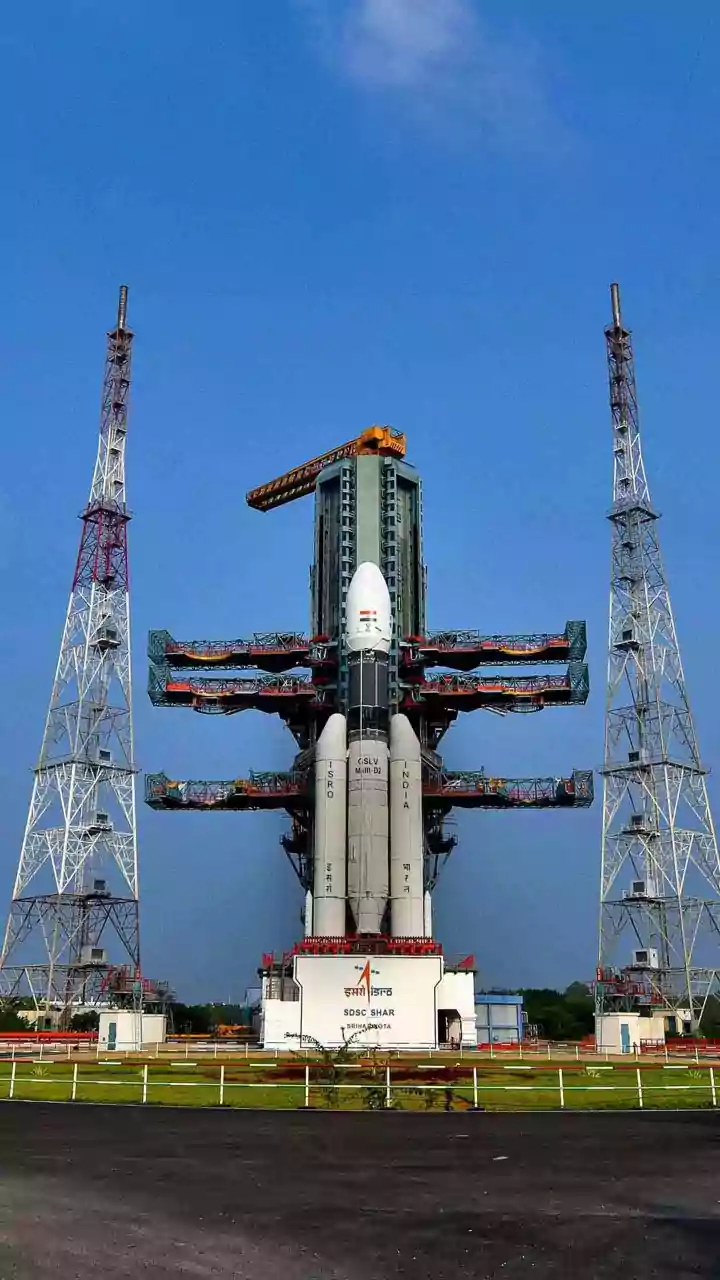
At its heart, Gaganyaan is about national pride and technological self-reliance. Successfully completing this mission will make India only the fourth country in the world—after Russia, the United States, and China—to have an independent human spaceflight capability. [2] The mission involves a host of complex, indigenously developed technologies. The powerful LVM3 rocket, which has been 'human-rated' to meet stringent safety and reliability standards, will serve as the launch vehicle. [2] A key part of the uncrewed test flights will be the humanoid robot 'Vyommitra', developed to simulate astronaut conditions and monitor critical environmental parameters inside the crew module. [2, 11] The entire programme is a massive undertaking that has been steadily progressing since its approval in 2019. [4, 12]
More Than Just a Launch
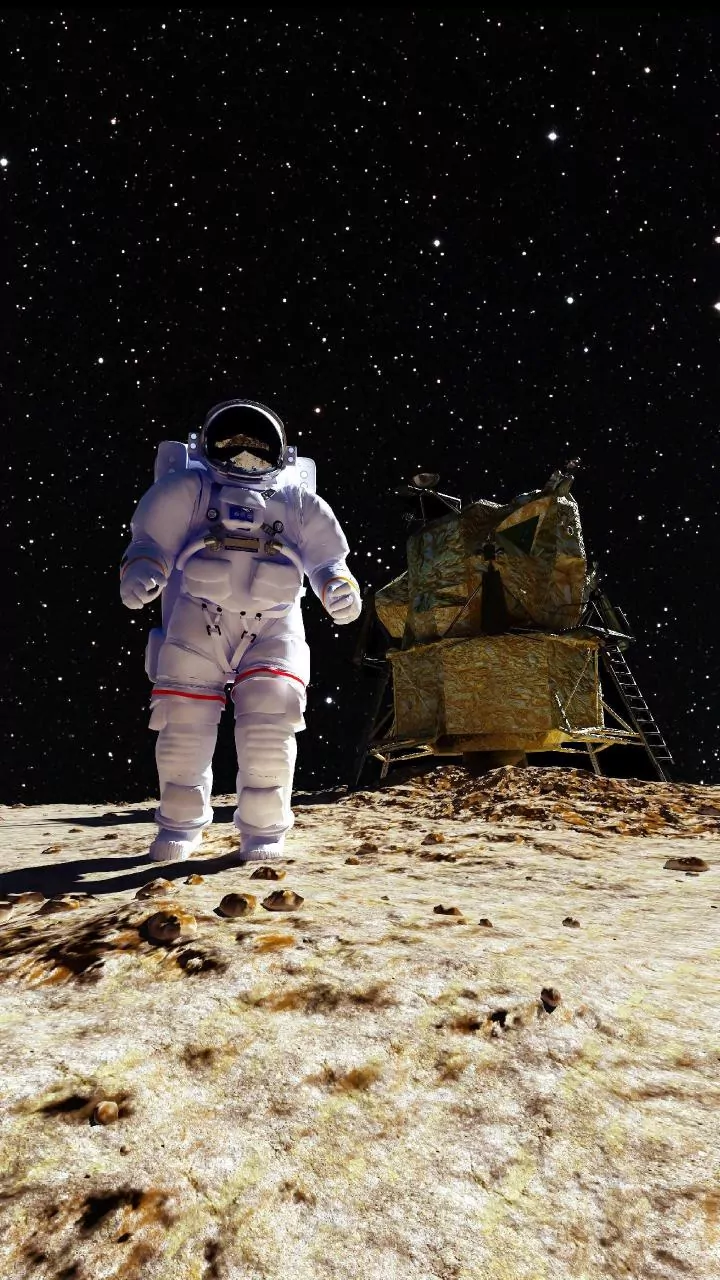
The Gaganyaan mission's impact extends far beyond placing astronauts in orbit. The program is a significant driver of technological advancement and industrial growth within India. [4] It has spurred the development of critical technologies in areas like life support, crew safety, and re-entry systems. The experience gained is foundational for India’s future space ambitions, which include establishing the Bharatiya Antariksh Station (Indian Space Station) by 2035 and landing an Indian on the Moon by 2040. [6, 13] The first module of the planned space station is already slated for a 2028 launch. [8, 14] Furthermore, the mission has been a catalyst for international collaboration, including a long-standing partnership with Russia for astronaut training and technical support, and cooperation with NASA and other agencies. [4, 14]
Why This Mission Matters for India
The Gaganyaan mission is a powerful symbol of a new, confident, and self-reliant India. [7] Following the spectacular success of Chandrayaan-3's lunar south pole landing, Gaganyaan represents the next logical step in our space odyssey, showcasing India's capability to execute complex, high-stakes missions. [6, 7] This journey into space is not just for exploration; it is deeply connected to national development. [8] The growth of the space sector, driven by such flagship missions, has seen the number of space startups surge from a single one in 2014 to over 400 in 2026. [4, 8] This new ecosystem is expected to expand India's space economy from around $9 billion to a projected $45 billion in the coming decade, creating jobs and fostering innovation. [3, 11]