



The Quest for Darkness
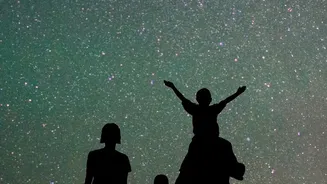
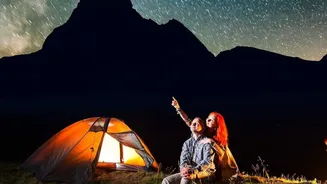
The magic of stargazing in the mountains boils down to three key factors: altitude, dry air, and minimal light pollution. Higher elevations mean you are looking through less of Earth's atmosphere, which can blur celestial objects. The dry, crisp air found
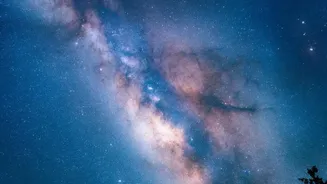
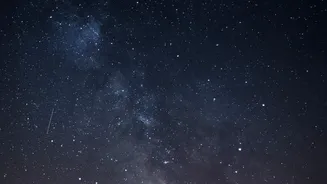
in regions like Ladakh and Spiti has less moisture to create haze, resulting in exceptionally clear views. Most importantly, these remote areas are far from the urban 'skyglow' that blankets our cities, a form of light pollution that makes it impossible to see all but the brightest stars. In these pristine environments, the sky reveals its true, staggering depth, where thousands of stars and even the Milky Way are visible to the naked eye.
Hanle, Ladakh: India's Celestial Crown Jewel
At the forefront of India's astro-tourism is Hanle in Ladakh, home to India's first-ever official Dark Sky Reserve. Situated at a breathtaking altitude of 4,500 metres, this remote village in the Changthang region offers some of the darkest skies on the planet. The area, managed by the Indian Institute of Astrophysics, is not just a tourist destination but a critical site for scientific research, home to the Indian Astronomical Observatory. Strict controls on artificial lighting ensure that on a clear, moonless night, the view is spectacular. Visitors can see the vibrant band of the Milky Way, distant galaxies, and an endless expanse of stars, guided by local 'Astronomy Ambassadors' trained to share the wonders of their sky.
Spiti Valley, Himachal Pradesh: A High-Altitude Desert of Stars
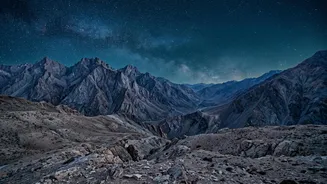
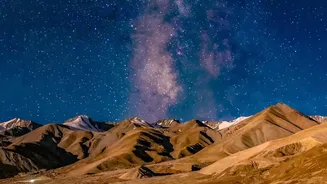
The cold desert of Spiti Valley in Himachal Pradesh offers a surreal, moon-like landscape that perfectly complements its dazzling night skies. Villages like Kibber, Langza, and Komic, some of the highest inhabited settlements in the world, serve as natural observatories. The combination of high altitude and extremely dry air creates near-perfect viewing conditions, making it a favourite for astrophotographers. Here, the Milky Way doesn't just appear; it dominates the sky, a dense river of light arching over ancient monasteries and silent mountains. The valley's profound silence and isolation enhance the experience, making stargazing in Spiti a deeply immersive and humbling affair.
Munsiyari, Uttarakhand: An Accessible Himalayan Escape
For those seeking a Himalayan stargazing experience without venturing into the extreme altitudes of Ladakh or Spiti, Munsiyari in Uttarakhand is an excellent choice. Nestled in the Kumaon Himalayas, this town offers stunning views of the Panchachuli peaks and, on clear nights, a brilliant celestial display. Its relative remoteness keeps light pollution low, revealing a sky filled with constellations and shooting stars. Munsiyari provides a perfect balance, combining the beauty of a Himalayan hill station with the thrill of cosmic discovery, making it a strong contender for the best stargazing in the state.
Planning Your Celestial Pilgrimage
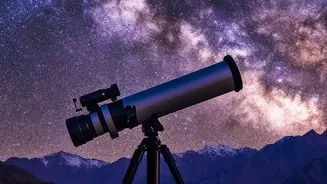
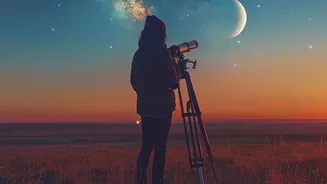
To make the most of your stargazing trip, timing is everything. Plan your visit around the new moon, as a bright moon can wash out fainter stars and the Milky Way. The best seasons are typically outside the monsoon, with summer months (May-September) being ideal for accessing Ladakh and Spiti, while post-monsoon and winter months offer crystal-clear skies in places like Uttarakhand. Pack warm clothing regardless of the season, as temperatures at high altitudes drop significantly at night. A pair of binoculars can dramatically enhance your viewing experience, revealing details invisible to the naked eye. Most importantly, allow your eyes at least 20-30 minutes to fully adjust to the darkness; this will unlock a whole new layer of celestial detail.