

Why the Monsoon Magnifies Food Risks
The rainy season creates a perfect storm for foodborne diseases. High humidity and warm temperatures allow harmful bacteria like E. coli and Salmonella to multiply rapidly on food surfaces. Heavy rainfall can lead to waterlogging and contamination of
public water supplies with sewage, increasing the risk of diseases like typhoid, cholera, and hepatitis A. Food, especially items left at room temperature, spoils much faster in this damp environment. According to the Food Safety and Standards Authority of India (FSSAI), the prevalence of foodborne illnesses rises significantly during this period, making vigilance essential.
Rethinking Your Love for Street Food
The craving for hot pakoras or spicy chaat is almost synonymous with a downpour, but experts advise extreme caution. Street food vendors may use contaminated water for cooking or washing, and food left exposed is a target for flies and dust. Raw chutneys, pre-cut salads, and fruit juices are particularly high-risk as they may be prepared with untreated water and stored unhygienically. If you must indulge, opt for vendors who maintain visible hygiene, and always choose food that is cooked fresh and served steaming hot, as high temperatures kill most germs.
Mastering Vegetable and Fruit Hygiene
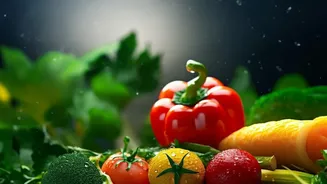
Even fresh produce requires extra attention. Leafy greens like spinach and cabbage, with their many layers, can harbour dirt and germs that are harder to wash away. FSSAI recommends washing all fruits and vegetables thoroughly with clean water before any consumption or cooking. For extra safety, you can soak them in a solution of salt water or vinegar for a few minutes to help dislodge hidden microbes. It is always best to wash produce right before you plan to cook or eat it and to avoid consuming pre-cut fruits and salads from outside sources. Peel fruits just before eating to minimise exposure to surface contaminants.
Kitchen and Storage Best Practices
Your kitchen hygiene is your first line of defence. Ensure all cooking surfaces, utensils, and cutting boards are cleaned and sanitised, especially after handling raw meat or poultry to avoid cross-contamination. The FSSAI advises against leaving cooked food at room temperature for more than two hours. Leftovers and perishable items like dairy and meat should be refrigerated promptly in airtight containers to prevent spoilage and bacterial growth. Regularly cleaning your refrigerator is also crucial, as the monsoon's high moisture can encourage mould growth even in cooled environments.
The Importance of Safe Water
Since contaminated water is a primary source of monsoon illnesses, ensuring your water is safe is non-negotiable. Relying on tap water directly is risky. The safest approach is to drink only boiled, filtered, or sealed bottled water. Remember that this applies not just to drinking but also to water used for cooking, washing vegetables, and even making ice. Be wary of ice from unknown sources, as it is often made with unfiltered water.
Boosting Your Body's Natural Defences
While external precautions are vital, strengthening your immune system provides an internal shield. Digestion can become sluggish during the monsoon, so favour light, home-cooked meals over heavy, oily food. Incorporate immunity-boosting ingredients like ginger, garlic, and turmeric into your diet. Foods rich in Vitamin C, such as citrus fruits, and probiotics like fresh curd can also support your body's ability to fight off infections. Staying well-hydrated with warm water or herbal teas helps flush toxins from your system.