





Not All Breaks Are Obvious
When we think of a broken bone, we often picture a dramatic, visibly deformed limb. While this can happen with severe breaks, many fractures are far more subtle. A fracture is simply a partial or complete break in a bone, and it can range from a tiny
crack to a bone shattered into multiple pieces. So-called hairline or stress fractures are small cracks that develop over time from repetitive stress, common in athletes or people who spend long hours on their feet. Because the initial pain might feel like a simple ache or strain, these are easy to ignore, but continuing to put pressure on the weakened bone can cause the crack to grow, eventually leading to a full break with a much longer recovery.
The Key Warning Signs to Watch For
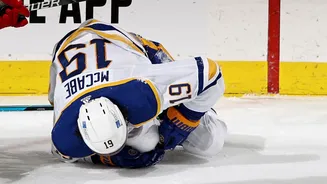
Your body has a clear way of signalling a potential fracture. While pain and swelling are the most common symptoms, they are not the only ones. Be alert for sharp, localized pain that worsens with movement or pressure. Other red flags include visible bruising or discolouration, tenderness to the touch, and an an inability to bear weight on the limb. Some people report hearing a snapping or grinding sound at the moment of injury. A clear sign of a serious fracture is a visible deformity, where the limb looks bent at an unnatural angle. Any of these symptoms, especially in combination, warrant a medical evaluation to rule out or confirm a break.
The Dangers of Delaying Treatment
Deciding to 'wait and see' with a suspected fracture is a significant gamble. Without proper medical treatment to align and immobilize the bone, serious complications can arise. One major risk is 'malunion', where the bone heals in an incorrect position, potentially leading to a permanent deformity, chronic pain, and limited mobility. In some cases, the bone may fail to heal altogether, a condition known as 'nonunion' that can require surgery. An open fracture, where the bone breaks the skin, carries a high risk of infection that can spread to the bone and surrounding tissue if not treated immediately. Over time, untreated fractures can also lead to nerve damage, joint stiffness, and arthritis.
What to Do If You Suspect a Fracture
If you think you or someone else has a broken bone, the first rule is to keep the injured area still to prevent further damage. Never try to straighten a limb or push a bone back into place if it's sticking out. If there is bleeding, apply firm pressure to the wound with a clean cloth, pressing around the injury if bone is exposed. To manage pain and swelling, apply an ice pack wrapped in a towel for 15-20 minutes at a time. If possible, elevate the injured limb above the level of the heart. These first-aid steps can help manage symptoms, but they are not a substitute for professional medical care. An X-ray is often the only way to know for sure if a bone is broken.