




Why Balance Matters More Than You Think
Balance isn't just for gymnasts; it's a fundamental skill we use in almost every daily activity. From getting out of a chair to walking up stairs or reaching for an item on a high shelf, our ability to stay steady is crucial for independence and safety.
This complex process involves coordination between our muscles, joints, vision, and inner ear. As we age, or after an injury, this system can become less efficient, increasing the risk of falls. The good news is that balance is a trainable skill. Regular practice can strengthen the key muscles in your legs and core, improve your body's reactive capabilities, and boost your confidence in movement.
The Chair: Your Partner in Stability
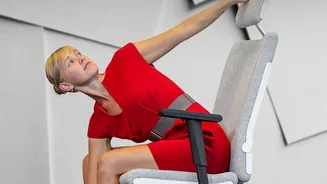
For anyone hesitant to start balance training, a sturdy chair is the perfect tool. Using a chair for support provides a sense of security, which is essential for performing exercises correctly and without fear. It allows you to focus on proper form and control rather than worrying about falling. This is especially beneficial for older adults, individuals with limited mobility, or those recovering from an injury. By lightly holding onto the back of a chair, you can challenge your balance progressively, reducing your reliance on the support as you grow stronger and more stable. This simple modification makes balance training accessible to nearly everyone, right in the comfort of their own home.
Getting Started: The Single-Leg Stand
This is a foundational balance exercise. Stand behind a sturdy, stable chair, holding onto the back with both hands for support. Plant your feet firmly on the floor, hip-width apart. Slowly shift your weight onto your left foot and lift your right foot off the floor, bending the knee. Try to hold this position for 10 to 30 seconds, keeping your posture tall and your core engaged. Lower your right foot and repeat on the other side. As you become more comfortable, you can progress by holding on with just one hand, then with just a fingertip, and eventually, with no hands at all.
Strength and Stability: Calf Raises
Strong calf muscles are vital for ankle stability, which plays a big role in maintaining balance. Stand behind your chair, holding on for support. With your feet flat on the floor, slowly press down through the balls of your feet to lift your heels as high as you can. Pause at the top for a moment, feeling the engagement in your calf muscles, then slowly lower your heels back to the floor. Aim to perform 10 to 15 repetitions with controlled movement. This exercise not only builds strength in your lower legs but also improves your ability to make the small adjustments needed to stay steady during movement.
Dynamic Challenge: Heel-to-Toe Walk
This exercise challenges your balance while in motion. Stand next to a wall or have your chair beside you so you can reach out for support if needed. Step forward with your right foot, placing the heel directly in front of the toes of your left foot, as if walking on a tightrope. Then, step forward with your left foot, placing its heel directly in front of your right toes. Continue for 5 to 10 steps, keeping your gaze forward. This movement improves coordination and simulates the controlled stability needed for walking.
Core and Leg Power: Sit-to-Stand
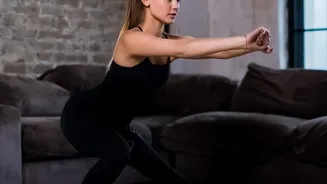
The ability to stand up from a chair without using your hands is a key indicator of functional strength and balance. Sit on the edge of a sturdy chair with your feet flat on the floor, hip-width apart. Cross your arms over your chest or hold them out in front of you. Engaging your core and leg muscles, push through your feet to rise to a full standing position. Then, with control, slowly lower yourself back down to a seated position. If this is too challenging, you can start by pushing up just a few inches before sitting back down. This exercise builds essential strength in your glutes, quadriceps, and core.
Tips for Safe and Effective Practice
To get the most out of your balance practice, always use a sturdy chair without wheels. Place it on a flat, non-slip surface. Move slowly and deliberately, focusing on the quality of each movement rather than speed. It’s normal to feel a bit wobbly at first, but you should never feel sharp pain. Listen to your body and rest when you need to. Consistency is more important than intensity. Incorporating these simple exercises into your routine just a few times a week can lead to significant improvements in your stability, strength, and overall confidence.