



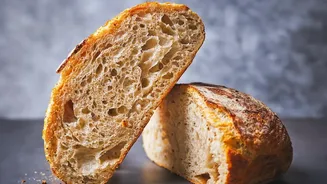
The Shift Away from Refined Flour
For years, refined all-purpose flour, or maida, has been the undisputed king of the baking world. It’s predictable, reliable, and creates light, airy textures. However, growing awareness around nutrition has led both home bakers and professional chefs
to seek healthier alternatives. Refined flour is processed in a way that strips the grain of its bran and germ, removing valuable fibre, protein, and minerals. This can lead to blood sugar spikes and leave you feeling less full. In response, a new generation of bakers is looking back to ancient grains, rediscovering the flours our ancestors thrived on for centuries. These whole grains offer a robust nutritional profile without compromising on flavour, proving that healthier desserts don't have to be a compromise.
Meet Sorghum: The Secret to a Soft Crumb
Sorghum, known locally as jowar, is a nutritional powerhouse quietly making a name for itself in modern kitchens. Naturally gluten-free, this ancient grain is packed with protein, fibre, iron, and antioxidants. In baking, sorghum flour has a mild, slightly sweet flavour and a smooth texture that helps create a wonderfully soft and tender crumb. It's particularly great for denser baked goods like brownies because it helps retain moisture, preventing the final product from becoming dry. Its ability to provide structure makes it a reliable substitute, and many chefs find its taste remarkably similar to wheat flour, making it a seamless addition to many classic recipes.
The Magic of Millet Flour
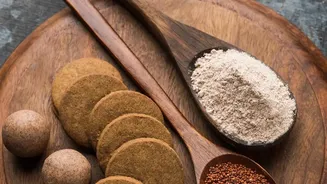
Millet, which includes varieties like pearl millet (bajra) and finger millet (ragi), is another ancient grain experiencing a well-deserved revival. Celebrated for its high protein content and minerals like magnesium and phosphorus, millet is a staple in many traditional diets. When ground into flour, it has a mild, sweet, and nutty flavour that complements chocolate beautifully. Its texture is often compared to cornmeal, adding a delicate, cake-like crumb to baked goods. While it can be heavy on its own, it works wonders in brownies, where a fudgy, dense texture is desired. Because it absorbs a lot of liquid, it contributes to an incredibly moist final product, which is the hallmark of any great brownie.
Why Brownies Love These Flours
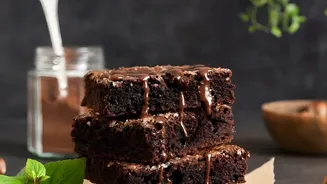
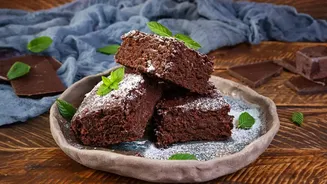
Brownies are uniquely suited for experimentation with alternative flours. Unlike light and airy cakes that depend on the specific gluten structure of wheat, brownies thrive on density and moisture. The robust, earthy notes of sorghum and millet flours enhance the deep flavour of chocolate. Since both flours are gluten-free, they help create the fudgy, gooey centre that brownie lovers crave, as opposed to a more cake-like texture. Furthermore, the high fibre content in these grains helps slow digestion, making for a more satisfying treat that keeps you fuller for longer. Many professional recipes use a blend of sorghum and millet, sometimes with a starch like tapioca, to achieve the perfect balance of structure and softness.
Tips for Your Kitchen
Inspired to try baking with these ancient grains? Experts suggest a few simple tips for success. When substituting for all-purpose flour, it's often best not to do a one-to-one swap. A good starting point is to replace 25-50% of the refined flour in your favourite brownie recipe with either sorghum or millet flour. Because these flours are very absorbent, you might need to slightly increase the liquid ingredients in your recipe to maintain moisture. Don't be afraid to combine flours; a mix of sorghum for softness and millet for its cake-like crumb can yield fantastic results. For a truly decadent and nutrient-dense treat, consider pairing these flours with unrefined sweeteners like jaggery, which complements their natural, earthy sweetness.