

A Significant Nutritional Upgrade
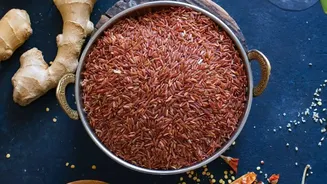
The most compelling reason to switch is nutrition. Compared to polished white rice, millets are nutritional powerhouses. They generally contain significantly more dietary fibre, which aids digestion, keeps you feeling full longer, and helps manage weight.
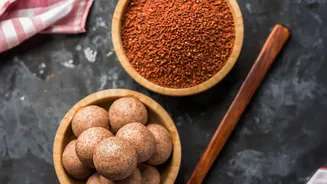
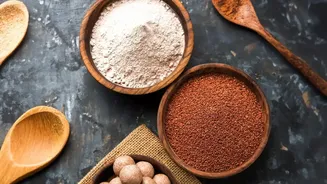
Millets are also typically richer in protein and essential minerals like iron, magnesium, and calcium. For example, ragi (finger millet) is famously high in calcium, while bajra (pearl millet) is a great source of iron. Millets also have a lower glycemic index than white rice, meaning they release sugar into the bloodstream more slowly. This makes them an excellent choice for better blood sugar management.
Mastering the Cooking Method
This is where most beginners stumble: you cannot cook millets exactly like rice. The biggest mistake is not soaking them. Rinsing the grains two or three times and then soaking them for at least 20-30 minutes is crucial for most varieties. Soaking softens the outer bran layer, ensuring the grain cooks evenly and doesn't end up with a hard centre. Millets also require more water than rice. A common starting ratio is one part millet to two parts water (1:2) for a fluffy, grain-like texture, but this can go up to 1:3 for softer, porridge-like dishes. Whether you use a pressure cooker or a stovetop, it's vital to let the cooked millet rest off the heat for 5-10 minutes. This allows the grains to finish cooking in the residual steam and absorb any remaining moisture, preventing a sticky or undercooked result.
A New World of Taste and Texture
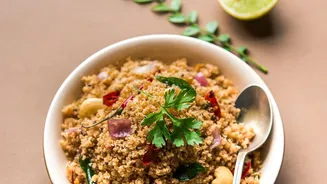
White rice is prized for its soft texture and neutral flavour, which allows it to absorb the tastes of other ingredients. Millets, on the other hand, have a distinct personality. Their flavour is often described as nutty and earthy, and the texture is generally heartier and chewier than rice. This can be a delightful change, adding a new dimension to familiar dishes. In mixed preparations like khichdi, pulao, or upma, the difference is less pronounced, making them a great starting point for beginners. Plain steamed millet as a direct substitute for steamed rice might take some getting used to due to its coarser texture.
Choosing the Right Millet for the Job
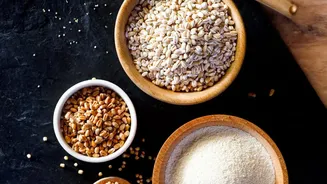
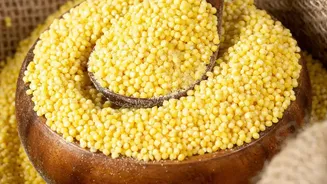
Not all millets are the same. Some are better suited as direct rice replacements than others. Foxtail millet (kangni/thinai), barnyard millet (sanwa), and little millet (kutki) are often recommended for beginners because their mild taste and texture work well in rice-based dishes. These varieties are excellent for making pulao, biryani, lemon rice, and even curd rice with minor adjustments. Kodo millet (varagu) is another popular choice for replacing rice in daily meals. For flatbreads like rotis, flours made from jowar (sorghum), bajra (pearl millet), or ragi (finger millet) are used instead of wheat. For dishes like idli and dosa, barnyard and kodo millets can be used to create a nutritious, fermented batter.
Adapting Your Favourite Indian Recipes
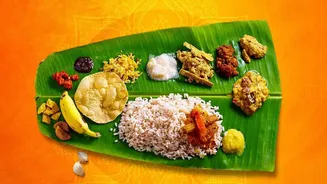
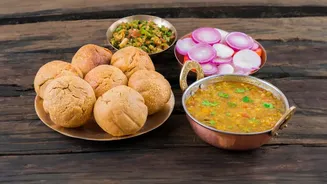
Once you understand the basics, adapting recipes is straightforward. For a millet khichdi, the process is nearly identical to a rice-based one; you just need to account for the soaking time and adjust the water ratio. You can saute vegetables and spices as usual before adding the soaked millet and dal. When making a millet biryani or pulao, dry roasting the soaked and drained millet for a minute before adding water can enhance its nutty aroma. For Pongal, millets like foxtail and kodo blend beautifully with lentils and spices. Even desserts like kheer can be made with millets for a healthier twist. The key is to see it not as a limitation, but as an opportunity to add new flavours and nutrients to your family's favourite meals.