



The Plastic Dust in Our Diet
Microplastics are minuscule plastic fragments, typically smaller than five millimetres. They come from the breakdown of larger plastic items, like bottles and bags, or are manufactured as tiny particles for use in certain products. These particles have
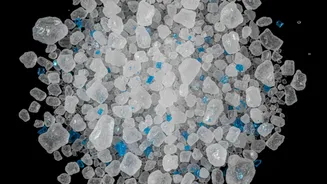
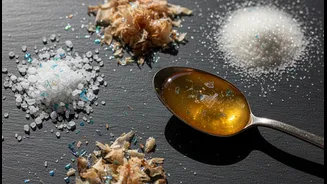
become pervasive in our environment, contaminating water, air, and soil. Consequently, they have entered our food chain. Studies in India have found microplastics in basic staples like branded salt and sugar, with packaged and iodized salt showing higher levels of contamination due to processing and plastic packaging.
How Packaging Plays a Part
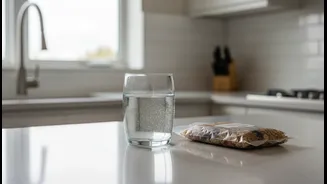
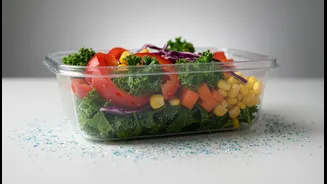
Much of our food comes wrapped in plastic, and this convenience has a hidden cost. Plastic packaging is a major source of microplastic contamination. Takeaway containers, single-use water bottles, and plastic-wrapped produce can all shed particles onto the food they contain. Research indicates that bottled water, for instance, can contain significantly more microplastics than tap water. Simply opening plastic packaging can generate particles that fall into your food. The longer food is stored in plastic, the greater the chance for these tiny fragments to migrate.
When Heat Turns Up the Risk
The problem is significantly amplified when heat is introduced. Microwaving food in plastic containers, even those labelled "microwave-safe," has been shown to release millions of microplastic and even smaller nanoplastic particles into the meal. One study found that microwaving could release up to 2.11 billion nanoplastics and 4.22 million microplastics from just one square centimetre of a plastic container in three minutes. Heat and acidity from foods can accelerate this process of leaching, not only of plastic particles but also of chemical additives like phthalates and bisphenols, which are used to make plastics flexible or durable.
A Growing Health Question Mark
The long-term health effects of ingesting microplastics are still under intense investigation, and a clear consensus has not yet been reached. However, early research is raising red flags. These particles have been found in human blood, lungs, brain tissue, and arterial plaques. Some studies suggest links between microplastics and a higher risk of heart attack, stroke, and inflammatory conditions. A primary concern is that plastics can contain chemical additives known as endocrine disruptors, which may interfere with the body's hormonal systems and have been linked to reproductive issues, obesity, and other health problems.
How to Reduce Your Exposure
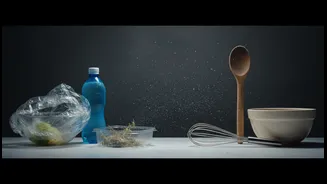
While completely avoiding microplastics is nearly impossible, you can take simple, practical steps to significantly lower your exposure. Start by swapping plastic food containers for glass, stainless steel, or ceramic alternatives, especially for storage and reheating. Never microwave food in plastic—transfer it to a microwave-safe glass or ceramic dish first. Reduce reliance on single-use plastics like bottled water and takeaway containers; opt for a reusable steel or glass bottle instead. Consider using wooden cutting boards instead of plastic ones, and choose fresh, unpackaged foods whenever possible. These small changes in your daily kitchen routine can make a meaningful difference.