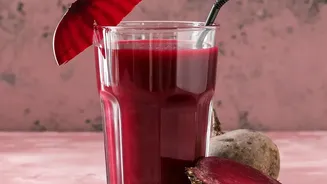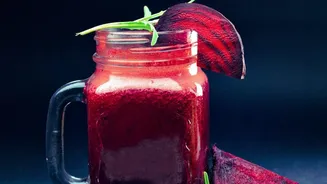




What is Black Carrot Kanji?
Kanji is a traditional fermented beverage, originating from the northern states of India like Punjab and Uttar Pradesh. For generations, it has been a household staple, especially during the transition from winter to spring and often prepared for the festival
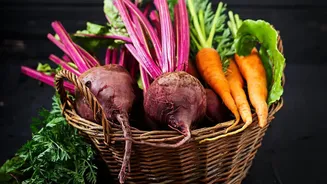
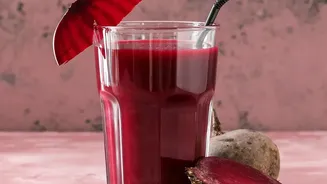
of Holi. The drink is made using a few simple ingredients: black carrots (kali gajar), water, salt, and coarsely ground mustard seeds. These are combined in a large glass or ceramic jar and left to ferment in the sun for several days. The process is a form of lactic acid fermentation, where naturally present bacteria convert the sugars from the carrots into lactic acid, giving the kanji its characteristic tangy, slightly pungent, and savory taste. The black carrots, a winter seasonal specialty, lend the drink its striking deep purple color.
A Probiotic Powerhouse for Gut Health
The recent surge in Kanji's popularity is tied to the growing global focus on gut health and probiotics. Unlike many commercial probiotic supplements, Kanji is a natural, whole-food source of beneficial live microbes. The fermentation process cultivates a rich colony of lactic acid bacteria, such as Lactobacillus, which are essential for a healthy gut microbiome. A balanced gut microbiome is crucial for proper digestion, nutrient absorption, and preventing issues like bloating, gas, and constipation. The probiotics in Kanji help replenish good bacteria in the gut, creating an environment that supports overall digestive wellness. It’s a traditional solution that modern science is now validating for its gut-healing potential.
More Than Just a Gut Feeling
The benefits of black carrot kanji extend far beyond digestion. Black carrots are packed with anthocyanins, the powerful antioxidants responsible for their dark color. These antioxidants help the body fight oxidative stress and inflammation. The drink is also a good source of Vitamin C, Vitamin A, and potassium. This nutritional profile contributes to a stronger immune system, making it a valuable drink during seasonal changes when colds and flu are common. Some of its traditional uses also include promoting skin health, thanks to its hydrating properties and Vitamin C content which aids collagen production, and even supporting eye health due to the beta-carotene from the carrots.
The Modern Urban Revival
The answer lies in a convergence of several wellness movements. There is a growing appreciation for traditional, locally sourced foods over processed alternatives. As consumers become more discerning about health, they are looking for natural and sustainable options, and Kanji fits the bill perfectly. It’s India’s answer to the global kombucha craze, but with a uniquely Indian flavour profile that is salty and tangy rather than sweet. Wellness influencers and nutritionists are championing it, and it has begun appearing on the menus of health-conscious cafes. This revival celebrates not just a healthy beverage, but a piece of culinary heritage that was almost forgotten in the rush of modern life.
How to Make Kanji at Home
Making your own black carrot kanji is surprisingly simple. You'll need about 500 grams of black carrots, 2 litres of water, 2-3 tablespoons of coarsely ground mustard seeds, and salt to taste. Start by washing, peeling, and cutting the carrots into finger-length batons. Place them in a large, sterilized glass jar. Add the ground mustard, salt, and you can also add a pinch of red chilli powder for extra warmth. Pour in the water (preferably boiled and cooled), mix everything well, and cover the mouth of the jar with a muslin cloth. Let it ferment in a sunny spot for 3 to 5 days, stirring it once daily with a clean spoon. When the water becomes cloudy and develops a tangy aroma, your kanji is ready. Store it in the refrigerator to be enjoyed chilled.