





From Kitsch to Comfort
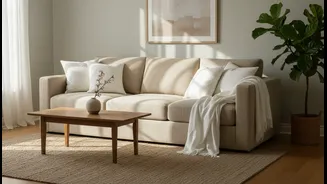
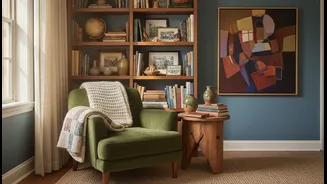
After years of minimalist, museum-like homes, many are now craving spaces that feel lived-in, personal, and genuinely comfortable. The original 90s aesthetic was all about this welcoming vibe, with overstuffed sofas, warm wood tones, and plenty of personality.
Today's revival cherry-picks these elements, filtering them through a modern lens. It’s not about recreating a room from a 90s sitcom, but about capturing that feeling of warmth and ease. Designers are leaving behind the dated specifics—like faux ivy and shiny brass—and focusing on the decade's best qualities: comfort and character. The goal is to create a space that feels grounded and inviting, a direct response to the often-sterile perfection of the 2010s.
Softer Shapes and Calmer Colours
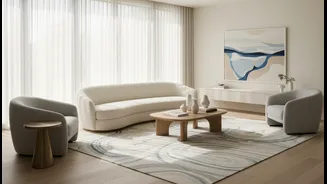
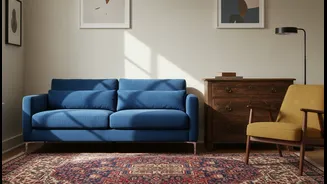
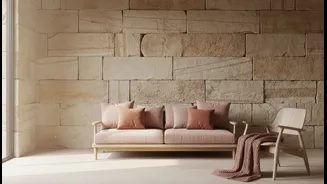
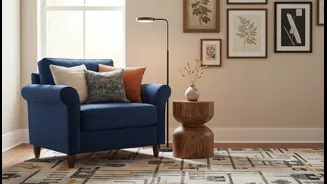
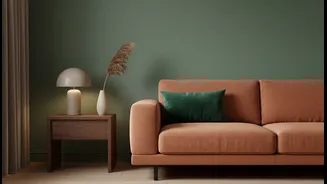
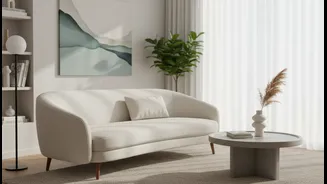
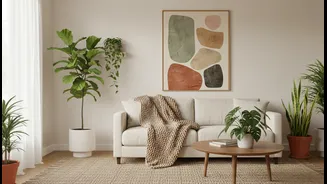
One of the most significant updates to the 90s trend is the shift towards softer silhouettes and more refined colour palettes. While the 90s had its share of harsh jewel tones, the 2026 version leans into warmer, more muted hues like sage green, dusty rose, terracotta, and deep blues. These colours provide nostalgic warmth without overwhelming a room. Furniture has also shed its hard edges. The trend is dominated by curves, from rounded sofas and sculptural barrel chairs to arched mirrors and flowing headboards. These organic shapes help a room feel more relaxed and natural, encouraging flow and conversation in a way that rigid, linear furniture cannot. It’s a move toward pieces that feel enveloping and supportive, prioritising comfort above all else.
Smarter, High-Quality Materials
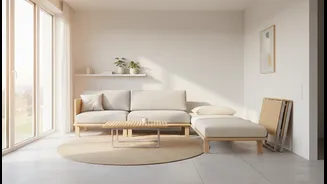
The “smarter” part of this revival comes down to materials and quality. While the original decade had its share of disposable, trendy items, the current focus is on durable, timeless pieces. This means investing in well-made furniture that will last. Central to this look is the return of lighter wood tones. Honey-hued woods like maple, ash, and light oak are replacing the dark, heavy woods of the past and the stark whites of recent years. This “blonde wood” trend makes spaces feel bright, airy, and warm. It pairs beautifully with another 90s staple: chrome. Used sparingly as an accent on table legs or light fixtures, sleek chrome adds a touch of modern polish that keeps the look fresh. This thoughtful mix of quality materials creates a layered, collected feel rather than a themed costume.
The Small Home Advantage
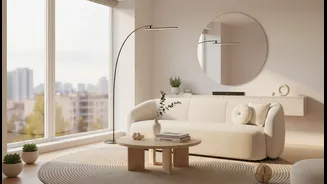
Perhaps the most surprising aspect of the new 90s trend is how well it adapts to smaller living spaces. The emphasis on lighter wood tones, for instance, helps reflect light, making rooms feel larger and more open. Rounded furniture is also a secret weapon for maximising space. A curved sofa can improve a room's flow by guiding foot traffic naturally and eliminating the hard corners that can make a small room feel boxed in. Similarly, round dining tables can often fit more people into a smaller footprint than their rectangular counterparts. Glass accents, another 90s hallmark, also work wonders in compact areas. A glass coffee table or streamlined shelving unit maintains an open line of sight, creating an illusion of spaciousness. It’s about choosing pieces that are not only stylish but also functionally smart for modern homes.