


The Ancient Veins of Greece
Long before modern roads, Greece was connected by a vast network of stone-paved paths known as 'kalderimia'. These were not mere footpaths but the arteries of a civilization, wide enough for two laden mules to pass. They linked remote villages to coastal
ports, sacred sanctuaries to bustling towns, and farmers to their fields. For centuries, these routes were essential for trade, pilgrimage, communication, and daily life. Walking them today is to trace the footsteps of generations, from ancient pilgrims heading to Delphi to Ottoman-era traders and shepherds. The landscape itself becomes a guide, revealing a story of how geography shaped culture and community.
Arcadia: In the Footsteps of Pan
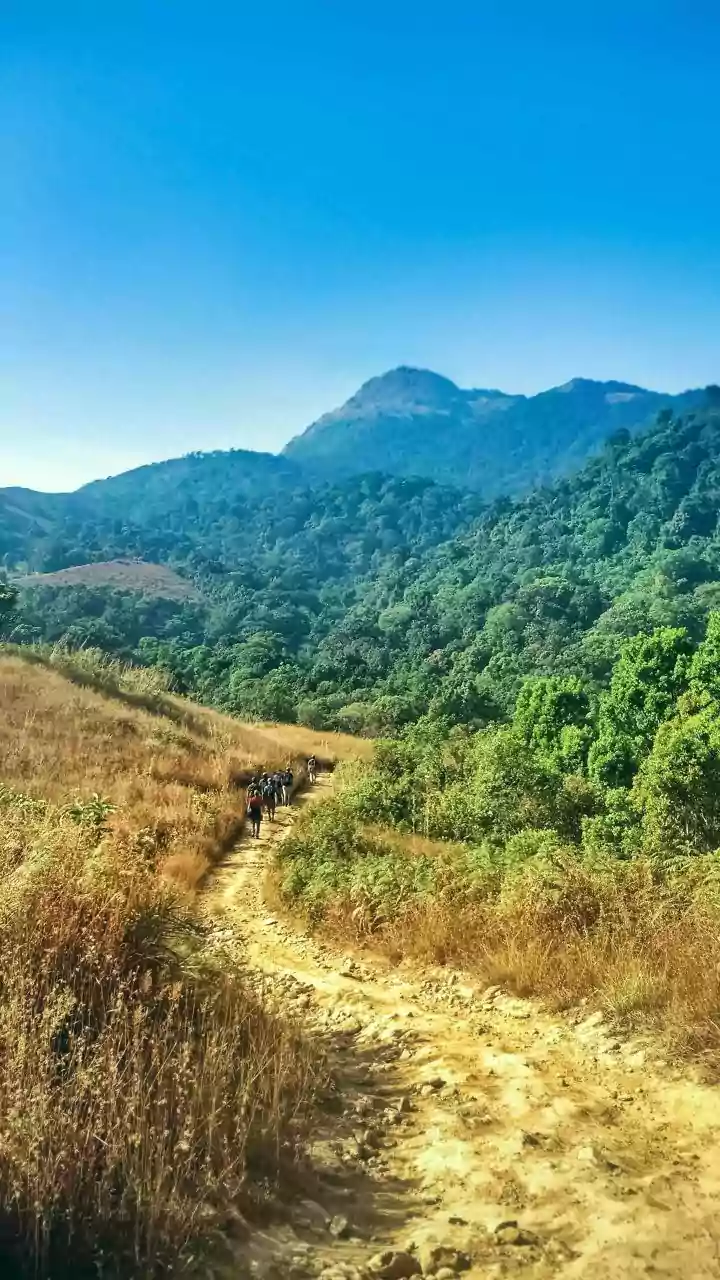
The Peloponnese peninsula is home to Arcadia, a region so synonymous with unspoiled wilderness that it became a mythical paradise in European art. Here, the Menalon Trail, a 75-kilometre route, was the first in Greece to receive European certification for its quality. This path weaves through the Lousios Gorge, connecting stone villages, cliff-side monasteries, and dense fir forests. It follows ancient mule trails that were once the lifeline for communities like Stemnitsa and Dimitsana, the latter known for its water mills that produced gunpowder during the 1821 Greek Revolution. The area is steeped in mythology as the fabled home of Pan, the god of the wild, and hiking here feels like stepping into a landscape where myths were born.
Epirus: A Landscape Bound by Stone
In the mountainous region of Epirus in northwestern Greece, the story of its ancient paths is inseparable from its spectacular stone bridges. Built largely between the 17th and 19th centuries, these arched masterpieces were crafted by travelling guilds of master builders known as the 'Boulouki'. These artisans connected the villages of Zagori across deep gorges and wild rivers. Today, the area is a UNESCO World Heritage site, and walking here involves traversing a network that links villages like Koukouli and Kipi. Trails like the Vradeto Steps—a stone staircase carved into a cliff—and paths leading to the three-arched Plakidas bridge offer a dramatic look at how human ingenuity tamed a rugged landscape.
Island-Hopping on Foot
The experience of walking ancient paths is not confined to the mainland. On the Cycladic island of Andros, a 100-kilometre route was the first in Greece to be awarded the 'Leading Quality Trails – Best of Europe' certification. The Andros Route connects ancient trade routes and paved alleys that run the length of the island, crossing mountain ridges, river valleys, and ending at historic villages. Further west in the Ionian Sea, the Corfu Trail stretches for approximately 180-220 kilometres from the island's southern tip to its northern cape. Conceived in 2001 to preserve the island's forgotten mule tracks and shepherd's routes, it guides walkers through a quieter, greener Corfu, far from the bustling beach resorts.
A Modern Revival
For decades, many of these 'kalderimia' were abandoned as modern roads were built, and they became overgrown and forgotten. The new roads changed how villages connected, often bypassing the old mountain routes. However, a passionate revival is underway across the country. Volunteer groups, like the Friends of the Kalderimi in South Pelion and local mountaineering clubs, are working to clear, restore, and signpost these historic trails. Their efforts are reopening these cultural arteries, allowing locals and visitors alike to rediscover a heritage that was nearly lost and ensuring these paths remain for future generations to explore.