

In Indian cricket, some scars tell a story. While victory brings joy, certain crushing defeats have become unlikely pillars of strength, sparking revolutions in strategy, mindset, and leadership that built a more formidable team.
The 2003 World Cup Final Humbling
The 2003 World Cup final
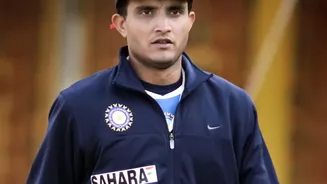
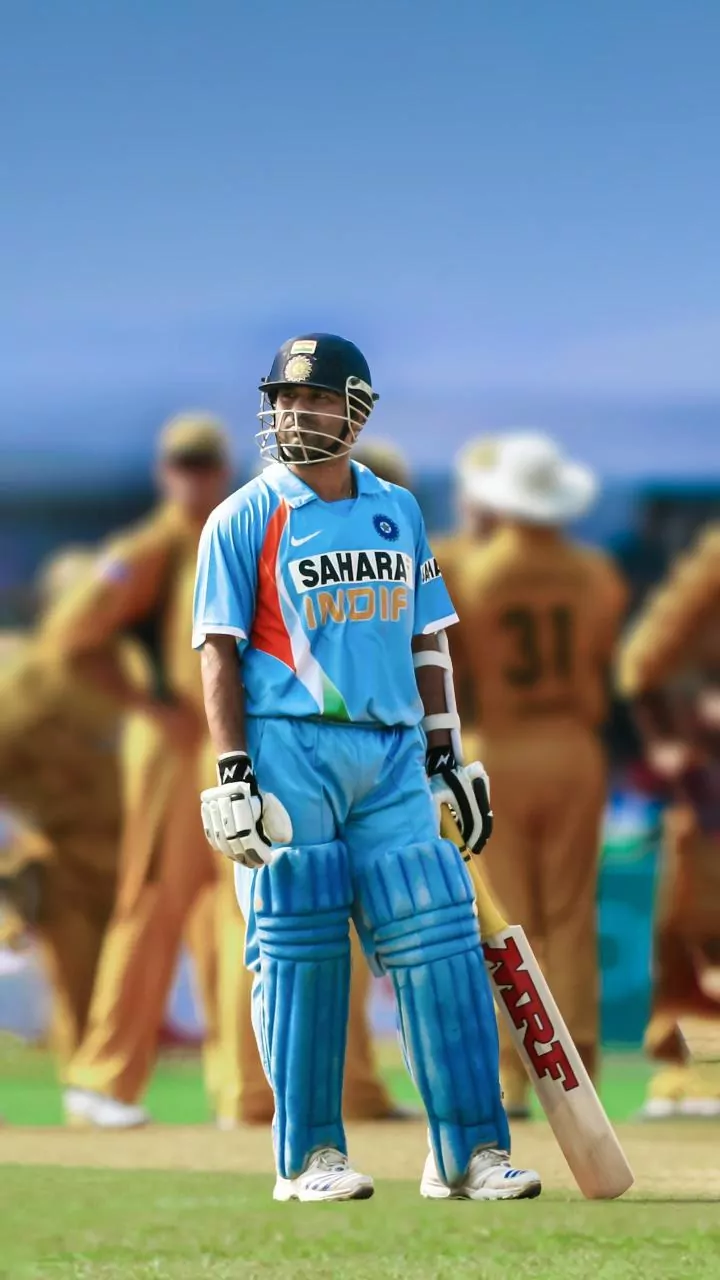
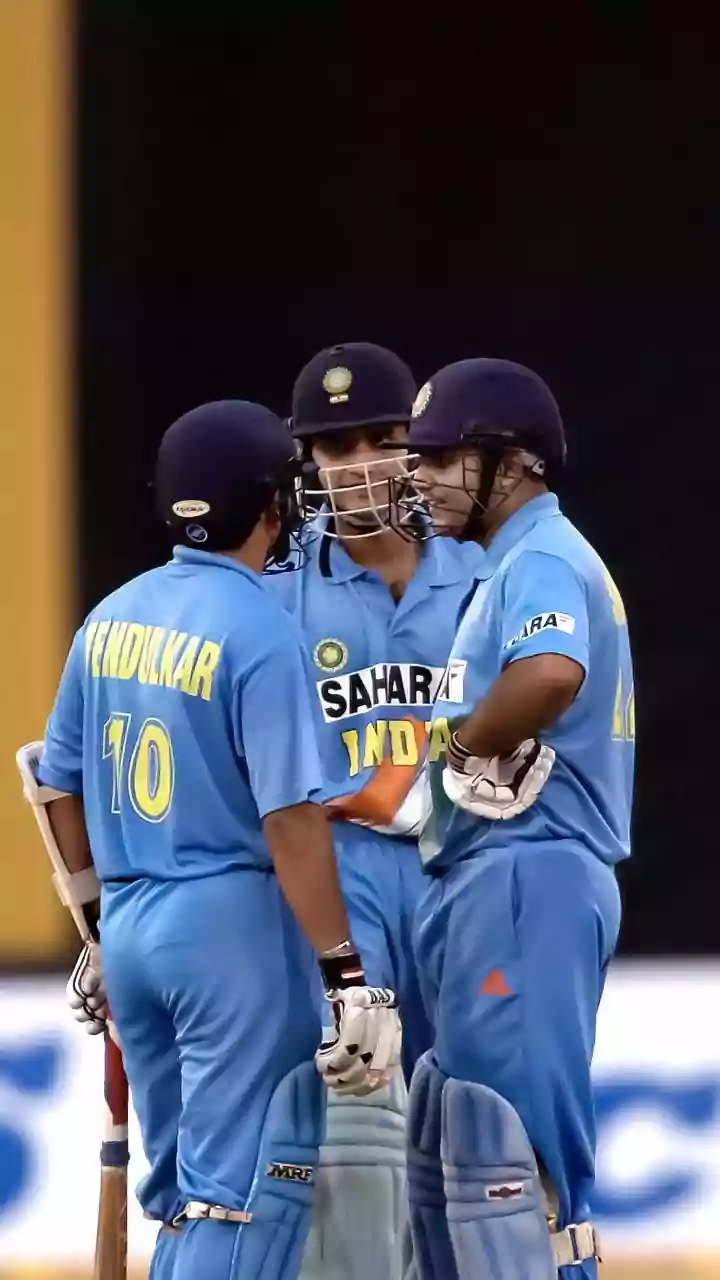
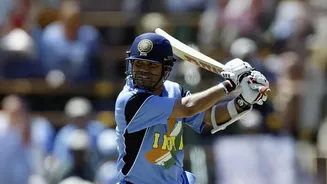
in Johannesburg was a national event. A young, vibrant Indian team led by Sourav Ganguly had stormed to the final, only to be brutally dismantled by an all-conquering Australian side. Captain Ricky Ponting's blistering 140 not out left India chasing a mammoth 360. The dream ended swiftly as Sachin Tendulkar was dismissed in the first over, and India fell short by 125 runs. The loss was a profound disappointment, revealing the gulf between a good team and a truly great one. Yet, this defeat planted crucial seeds. It exposed a generation of future champions like Virender Sehwag, Yuvraj Singh, and Zaheer Khan to the ruthless standards of a final. The experience hardened their resolve, instilling lessons that would be instrumental in future triumphs, including the 2007 T20 World Cup and the 2011 ODI World Cup.
The 2007 World Cup Catastrophe
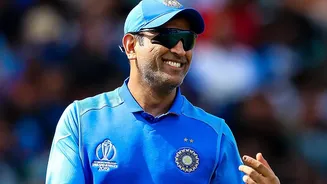
If 2003 was a disappointment, 2007 was a catastrophe. A star-studded team featuring Dravid, Tendulkar, and Ganguly crashed out in the first round after shocking losses to Bangladesh and Sri Lanka. The backlash was severe, with angry fans and intense media scrutiny. MS Dhoni later recalled the team being chased by media vans, feeling like 'murderers or terrorists'. This humiliating exit became Indian cricket's rock bottom. But from this nadir came the most significant transformation in modern Indian cricket. It triggered a generational and philosophical shift. A young, unburdened team under a new, cool-headed captain, MS Dhoni, was sent to the inaugural T20 World Cup just months later. Against all odds, they won, kickstarting a golden era and proving that from the deepest lows can come the greatest changes.
The 2019 Semi-Final Heartbreak
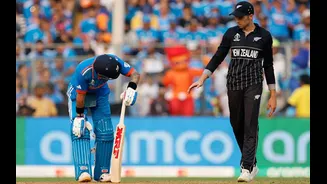
The 2019 World Cup semi-final against New Zealand was a loss defined by 'what ifs'. A dominant Indian side, which had topped the group stage, collapsed in the chase of a modest target of 240. The phrase '45 minutes of bad cricket' entered the lexicon as the top order of Rohit Sharma, KL Rahul, and Virat Kohli were dismissed for just one run each. A heroic partnership between Ravindra Jadeja and MS Dhoni brought India to the brink of an incredible comeback, but Dhoni's dramatic run-out in the penultimate over extinguished the nation's hopes. This painful defeat laid bare the team's over-reliance on its top three. In the years following, team management has focused on building a more resilient middle order and creating batting depth, a strategic shift born directly from the sting of that one costly hour in Manchester.
The 2023 Final That Silenced a Nation
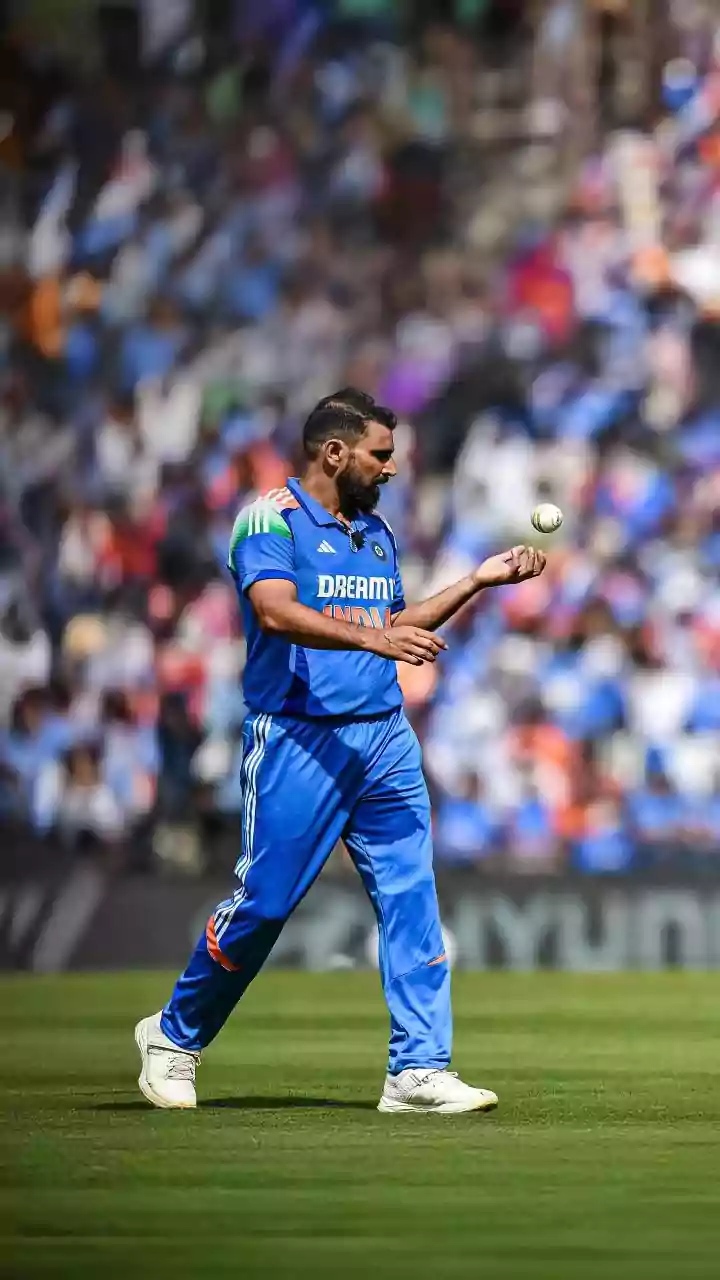
The most recent scar is perhaps the freshest. After ten consecutive wins marked by a breathtaking brand of cricket, Rohit Sharma's team entered the 2023 World Cup final in Ahmedabad as overwhelming favourites. A sea of blue in the world's largest cricket stadium was ready for a coronation. Instead, they witnessed a clinical Australian performance that silenced the 92,000-strong crowd. It was a single 'bad day' in an otherwise perfect tournament, as Sachin Tendulkar noted. While the long-term lessons are still taking shape, this defeat serves as a powerful, painful reminder of the unforgiving nature of finals. It has undoubtedly fuelled the fire for the current squad and the next generation, reinforcing that talent alone isn't enough; mastering pressure on the biggest day is the final frontier.