


The Marriage of Flavours
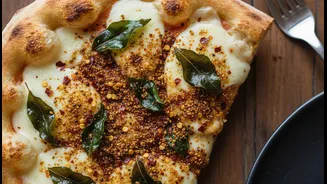
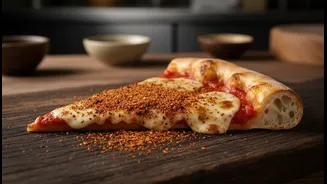
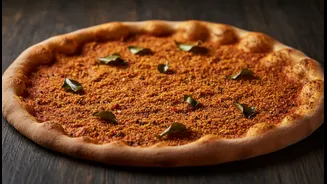
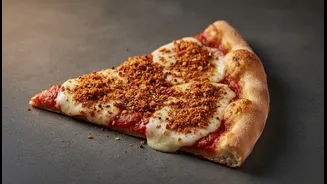
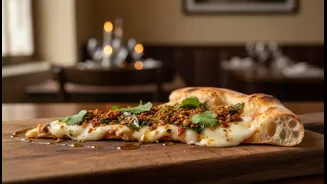
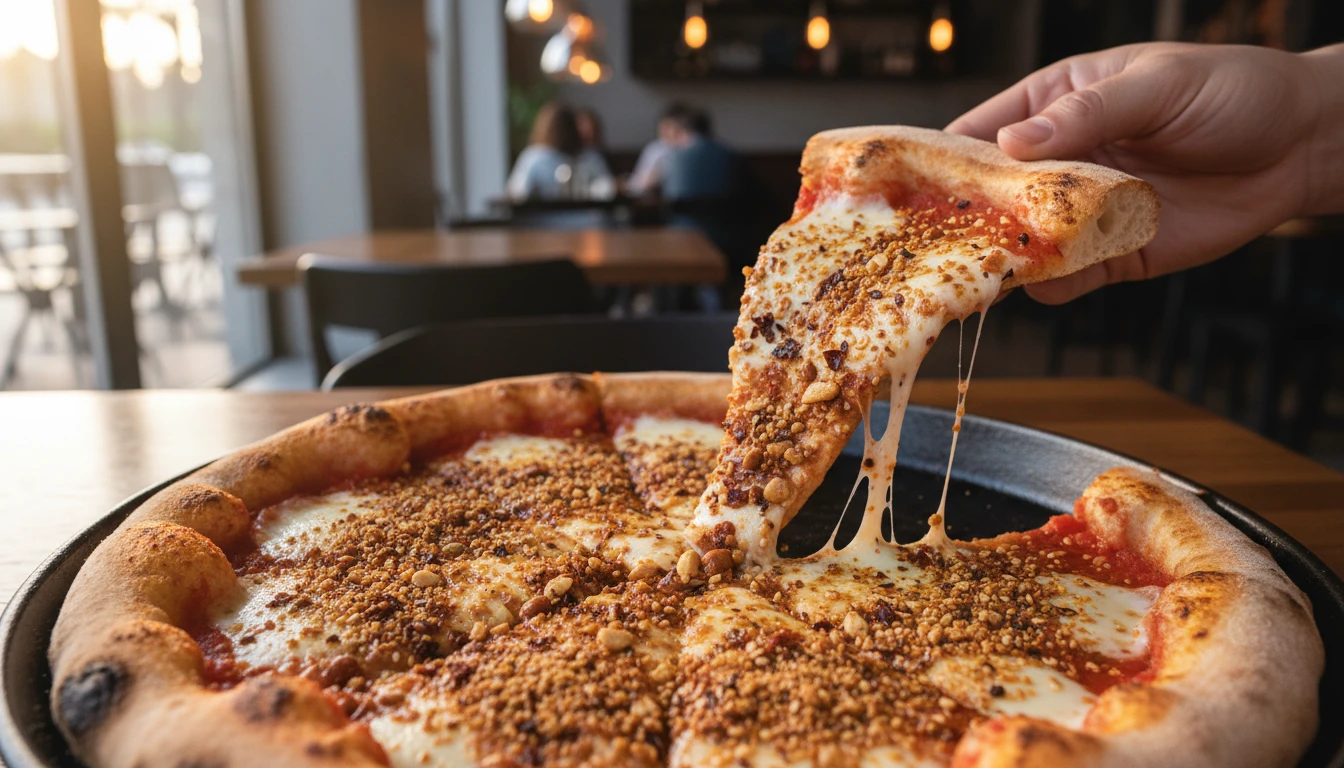
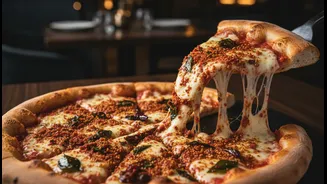
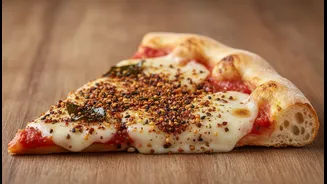
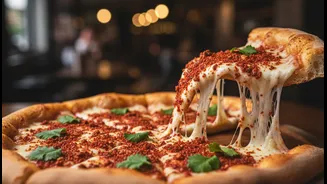
At first glance, podi pizza seems like an unlikely pairing. On one side, you have the universally beloved Italian-American staple, a blank canvas of dough, sauce, and cheese. On the other, you have milagai podi, a coarse and powerful powder of roasted
lentils, dried red chillies, sesame seeds, and spices. Known colloquially as ‘gunpowder’ for its explosive flavour, podi is a cornerstone of South Indian cuisine, traditionally mixed with ghee or oil and served with idli and dosa. When sprinkled over a hot, cheesy pizza, something magical happens. The nutty, spicy kick of the podi cuts through the richness of the mozzarella, creating a flavour profile that is at once familiar and thrillingly new. It’s a culinary dialogue where no ingredient shouts over the other; instead, they harmonize.
The Soul of a Spice
To understand podi pizza, one must first appreciate the cultural weight of podi itself. This is not just a random spice mix. For generations, in countless South Indian households, podi has been a symbol of home and comfort. Recipes are often closely guarded family secrets, passed down through generations, with each region and family having its own unique variation. Some are fiery hot, typical of Andhra Pradesh, while others are milder. Its presence on the dining table is a given, a reliable flavour bomb that can elevate the simplest of meals. By taking this cherished condiment out of its traditional context and placing it onto a pizza, chefs are doing more than just mixing ingredients; they are weaving together deeply rooted culinary histories.
Pizza as a Global Canvas
Pizza has always been a medium for cultural expression. Since its humble origins in Naples, it has travelled the world, adapting to local tastes wherever it lands. Americans created the deep-dish pie in Chicago and the thin, foldable New York slice. In Brazil, it’s common to find pizzas topped with green peas, while Poland has its own open-faced version called the zapiekanka. India is no stranger to this trend. For years, desi palates have embraced toppings like paneer tikka, tandoori chicken, and butter chicken masala on their pizzas. In this context, podi pizza isn't an anomaly; it's the next logical step in a long tradition of making pizza our own. It reflects a growing confidence in celebrating hyper-local Indian flavours on a global stage.
More Than a Trend
Fusion food can sometimes be dismissed as gimmicky, but the best examples tell a deeper story. The rise of dishes like podi pizza is driven by a generation of chefs and diners who live between cultures. They have grown up with the flavours of their grandmother’s kitchen alongside the global tastes of a connected world. For them, combining Indian and Italian food feels natural, not forced. It reflects a modern, fluid identity that sees no contradiction in pairing a traditional Indian spice with a classic Western dish. It is less about fusion and more about reflection—a plate that mirrors the delicious complexity of a third-culture experience. As chefs continue to innovate, they prove that these creations are not just fleeting trends but the emergence of a new, authentic culinary language.