


Embracing the Nine Hues
Colour is the soul of Navratri, with each of the nine days dedicated to a specific hue that represents a form of Goddess Durga. For Sharad Navratri 2026, the palette begins with energetic Orange, followed by serene White, powerful Red, elegant Royal Blue,
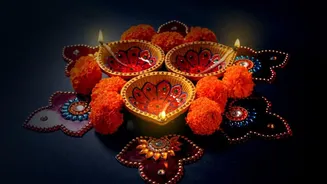
vibrant Yellow, renewing Green, unique Grey, spiritual Purple, and finally, fresh Peacock Green. You don't need to repaint a wall to embrace this tradition. Think of incorporating these colours through fabrics. A bright dupatta can serve as a backdrop, or you can use colourful cushion covers and throws. Create a small rangoli in your chosen corner using coloured powders or, for an eco-friendly option, flower petals that match the colour of the day. This daily change brings a dynamic and mindful element to your decor.
The Magic of Light
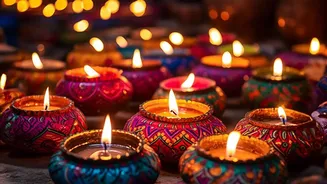
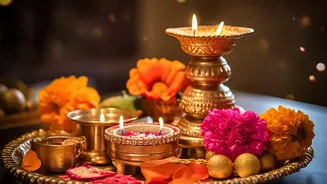
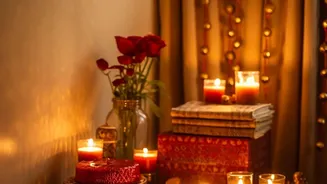
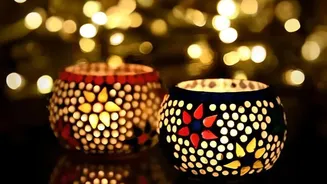
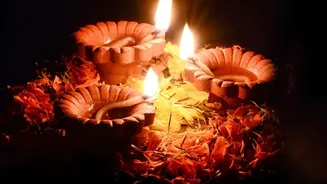
Lighting is essential for creating a warm, divine atmosphere. The gentle flicker of diyas is central to any Indian festival. Arrange a cluster of traditional earthen diyas on a brass plate or an urli filled with water and flower petals. For a modern twist that is also safe and energy-efficient, weave warm-toned LED fairy lights around a plant, drape them across your backdrop, or place them in glass jars for a soft, contained glow. Combining the traditional charm of oil lamps with the convenience of modern lighting allows you to create a layered and magical effect that makes your corner feel truly special during evening prayers and gatherings.
A Touch of Natural Freshness
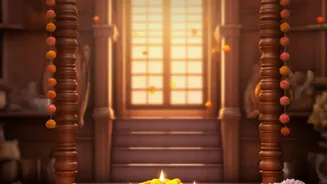
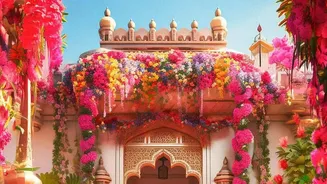
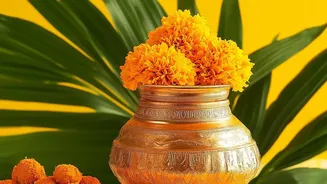
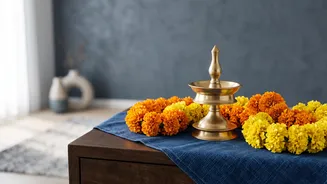
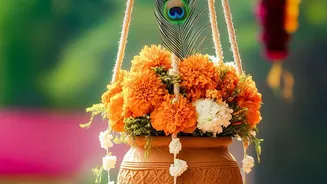
Flowers and foliage bring life, fragrance, and a sense of auspiciousness to any festive setting. Marigold garlands are a timeless choice, their vibrant orange and yellow hues perfectly aligning with the festive spirit. You can hang them as a 'toran' at the entrance to your corner or create a floral curtain as a backdrop. Don't limit yourself to just marigolds; jasmine, roses, and even tube roses can be placed in vases or floated in bowls of water. Mango leaves are also traditionally used to signify prosperity and can be woven into garlands. For a more sustainable approach, consider placing potted plants in your corner. They not only add a touch of green but also continue to bring life to your home long after the festival is over.
Personalised with DIY Touches
The most memorable decorations are often the ones you make yourself. This is a wonderful opportunity to get creative and add a personal touch. Repurpose old silk sarees or bandhani dupattas into beautiful drapes or table runners. Plain clay diyas can be transformed with acrylic paints and simple embellishments. You can also create your own hangings using beads, bells, and colourful thread. Involving family members, especially children, in these small projects makes the process of decorating as joyful as the festival itself. These handmade elements not only look beautiful but also carry the warmth of personal effort and creativity, making your festive corner a true reflection of your family's spirit.
Assembling Your Festive Nook
Choosing the right spot is the first step. It could be a small table in your living room, a windowsill, or the area around your home mandir. Start by defining the space with a decorative rug or a colourful cloth. Create a focal point with an image or idol of the Goddess. Then, build layers around it. Use a fabric backdrop for colour, arrange your diyas and lights for warmth, and add flowers for freshness. Think about height and balance; place taller items like vases or lamps at the back and smaller elements like diyas and rangoli at the front. The goal is to create a visually appealing space that feels both celebratory and sacred, a perfect little haven to reflect, pray, and soak in the festive joy.