




Nothing feels quite like a warm, aromatic cup of masala chai. But what gives this beloved beverage its signature character? The secret lies in a dynamic blend of spices, where each ingredient plays a crucial role in the final, comforting brew.
The Core of the Matter: More Than Just Tea
At its heart,
'masala chai' literally means 'spiced tea'. While the strong black tea, creamy milk, and sweetener are essential components, it is the 'masala' or spice mix that truly defines it. There is no single, rigid recipe; in fact, the beauty of masala chai is its incredible diversity. Every family, street vendor, and region in India has its own unique blend, passed down through generations. The core idea is to create a harmonious balance of flavours that is simultaneously warming, sweet, pungent, and aromatic. The spices are typically simmered along with the tea leaves, milk, and water, allowing their essential oils to infuse the entire drink, creating a complex and layered experience. This careful process of decoction is what separates a truly memorable chai from a simple cup of tea.
The Aromatic Star: Cardamom
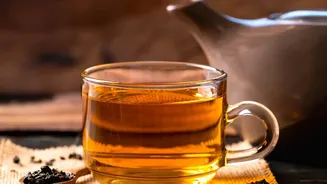
If masala chai has a soul, it is green cardamom. Often called the 'queen of spices', its sweet, floral, and slightly citrusy aroma is the most recognisable note in a traditional chai blend. Cardamom provides an aromatic complexity that ties all the other spices together, softening the sharpness of the tea's tannins and enhancing the overall perception of sweetness, which can mean less sugar is needed. Its fragrant oils are released during simmering, creating the inviting perfume that rises with the steam from a freshly poured cup. For many, the scent of cardamom is synonymous with chai itself.
The Warming Duo: Ginger and Cinnamon
Ginger and cinnamon are responsible for the comforting warmth that makes chai so appealing, especially on a cool day. Fresh ginger, or 'adrak', provides a sharp, zesty heat that gives the brew a pleasant bite and a long finish. This clean, spreading warmth feels like it comes from within. Cinnamon, on the other hand, contributes a natural, woody sweetness that rounds out the sharper edges of other spices like ginger and pepper. It adds depth and a sense of comfort, wrapping the entire flavour profile in a warm embrace. Together, they form the brew's warming backbone.
The Pungent Players: Cloves and Black Pepper
To add depth and a touch of fire, cloves and black pepper are crucial. Cloves have a dark, pungent, and intensely aromatic flavour. They must be used sparingly—often just one or two per pot—as their strong character can easily dominate. They contribute a deep, earthy note that complements the sweeter spices. Black pepper adds a different kind of heat—a subtle, lingering spiciness that builds slowly. It acts as a flavour amplifier, lifting and brightening all the other ingredients in the pot and preventing the blend from tasting flat. A chai without this quiet lift can feel incomplete.
The Art of the Blend: Regional and Personal Touches
Beyond the core spices, chai is a canvas for regional and personal expression. Some blends might include fennel seeds for a cooling, slightly sweet note, or star anise for a deeper licorice flavour. In Western India, for instance, cloves and black pepper are often left out. The famous 'Kashmiri Kahwa' is a different preparation altogether, using green tea with saffron, cardamom, and almonds, and no milk. Meanwhile, Sulaimani chai from Kerala is a light black tea with lemon and spices, also served without milk. These variations show that the 'signature flavour' of chai is not one singular taste, but a concept built on a delightful and ever-changing combination of spices.