




Reading the Signs: When to Repot
Plants often give subtle hints when they've outgrown their space. One of the most obvious signs is when roots start peeking out of the drainage holes at the bottom of the pot or circling along the top of the soil. Another major clue is how quickly the soil dries
out. If you find yourself watering far more frequently than you used to, it likely means the pot is filled with more roots than soil, leaving little to retain moisture. Stunted growth, such as smaller new leaves or a complete halt in growth during the growing season, also suggests the plant is root-bound and struggling to absorb the nutrients it needs to expand. In some cases, you might even notice the plant becoming top-heavy and unstable. If you see these signs, it's time to consider a new home.
The Perfect Pot: More Than Just a Pretty Face
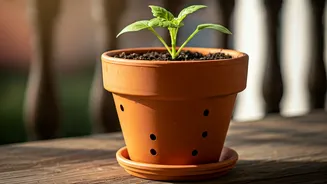
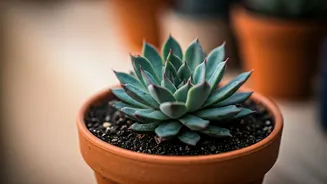
When choosing a new pot, the most critical feature is drainage. A pot without drainage holes is a recipe for root rot, as excess water has nowhere to go. If you've fallen in love with a decorative pot that has no holes, simply use it as a cachepot—a decorative outer container that holds the plain plastic nursery pot inside. The material also matters. Porous pots like terracotta are breathable and allow soil to dry out faster, making them ideal for succulents and plants prone to root rot. Plastic or glazed ceramic pots retain moisture longer, which is beneficial for thirsty tropical plants like ferns. In terms of size, resist the urge to go too big. A pot that is too large holds excess soil and moisture, which can overwhelm the roots. The general rule is to choose a new pot that is just one to two inches wider in diameter than the old one.
Soil Matters: The Foundation of Good Health
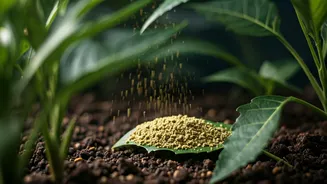
Using ordinary garden soil is a common mistake for indoor plants. It's too dense for containers, compacts easily, and can suffocate roots by blocking air and water flow. Instead, opt for a quality potting mix specifically formulated for indoor plants. These mixes are lighter and designed to provide the right balance of aeration, drainage, and moisture retention. A good potting mix for many common houseplants in India often contains a blend of cocopeat for moisture retention, compost for nutrients, and perlite for aeration and drainage. For specific plants like succulents and cacti, a sandy, faster-draining mix is better. Even if your plant doesn't need a bigger pot, refreshing the soil every year or two can replenish depleted nutrients and give it a new lease on life.
Location, Location, Location: Getting the Light Right
A plant's "home" extends beyond its pot to its place in your house. Incorrect lighting is a primary reason why indoor plants fail to thrive. Every plant has different light requirements, from the low-light tolerance of a snake plant to the bright, indirect sun preferred by a fiddle leaf fig. Pay attention to your plant's behaviour. If it's stretching and leaning dramatically towards a window with weak, pale new growth, it's begging for more light. On the other hand, if you see scorched or brown patches on the leaves, it might be getting too much direct sun. Researching your specific plant's needs is crucial. A plant that loves humidity, like a fern, might thrive in a bathroom, while a sun-loving succulent will be happiest on a bright windowsill.
The Art of Repotting: A Gentle Transition
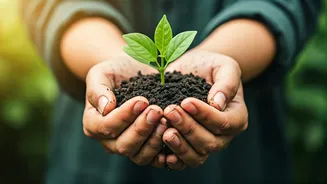
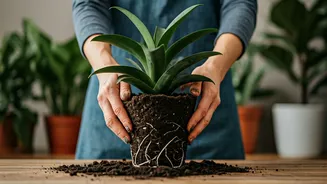
Once you have your new pot and fresh soil, the process of repotting should be gentle. It's best to repot in the spring or summer during the active growing season. Start by watering your plant an hour before you begin. Carefully remove the plant from its old pot. If the roots are tightly coiled, gently loosen them with your fingers to encourage them to grow outwards into the new soil. Place a layer of fresh potting mix in the bottom of the new pot, set the plant on top, and fill in the sides, ensuring the top of the root ball is at the same level as it was before. Lightly firm the soil, leaving about an inch of space at the top for watering. Give the plant a thorough watering and let it drain completely. Don't be alarmed if your plant looks a little droopy for a few days; it's simply adjusting to its new home.