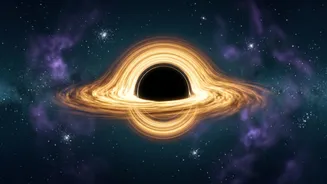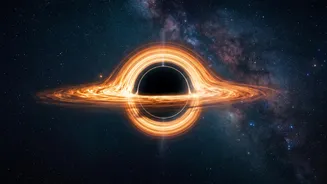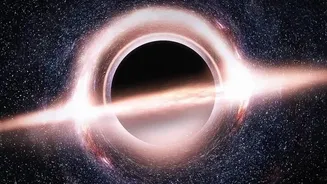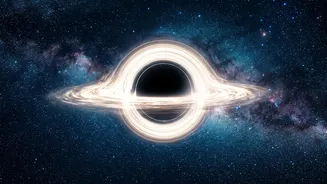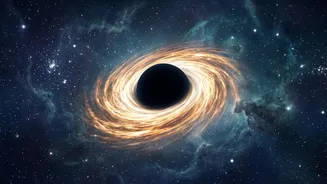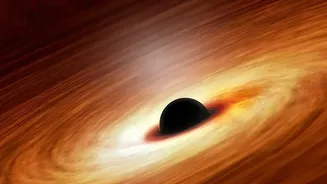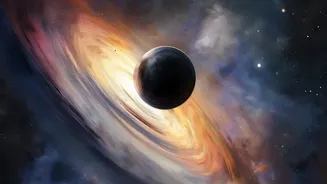



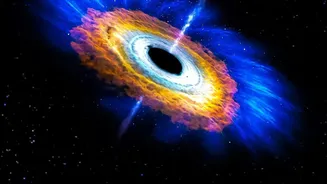
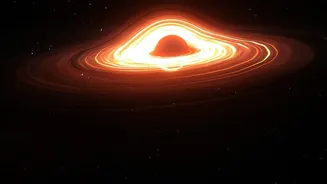
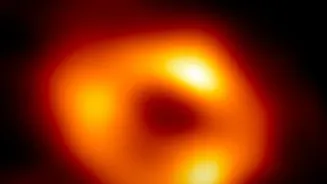
The Milky Way is vast, mysterious, and home to an estimated 10 million black holes. The problem? Most are invisible. A groundbreaking citizen science project, Black Hole Hunters, is now enlisting volunteers to help find them.
A Universe of Data From TESS
At the heart of this cosmic
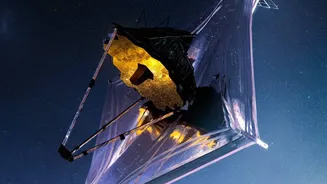
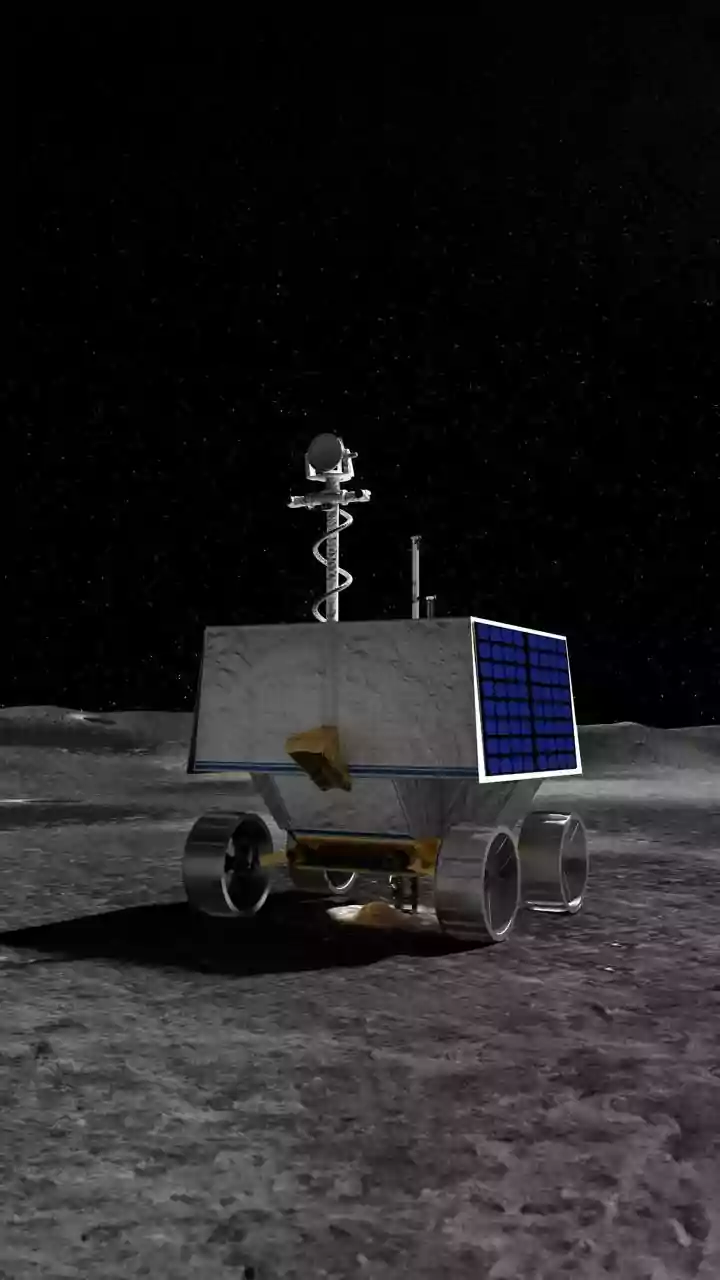
search is NASA's Transiting Exoplanet Survey Satellite (TESS). Launched in 2018, TESS's primary mission is to find exoplanets—planets orbiting stars outside our solar system. It does this by monitoring the brightness of hundreds of thousands of stars. When a planet passes in front of its star, it causes a tiny, temporary dip in the star's light. This event is called a transit. While designed to find planets, this same data contains clues to an even more elusive cosmic mystery: dormant black holes. The project, a collaboration between universities like Southampton and The Open University, recently shifted to using TESS data after initially analysing information from a ground-based telescope.
The Power of the Human Eye
While black holes themselves emit no light, their immense gravity can bend the light of objects behind them, an effect called gravitational lensing. The Black Hole Hunters project looks for a specific type called 'self-lensing'. This occurs when a black hole in a binary system with a star passes between us and its stellar companion. As it does, its gravity acts like a magnifying glass, briefly making the star appear brighter. This creates a distinct peak in the star's light curve—a graph of its brightness over time. Computers can sift through data, but they struggle to distinguish these unique peaks from other stellar phenomena like flares or pulsations. That’s where citizen scientists come in. The human brain remains one of the best tools for pattern recognition, and volunteers are asked to visually inspect these light curves and flag patterns that could signal a hidden black hole.
How to Become a Black Hole Hunter
Participation is surprisingly accessible. The project is hosted on the Zooniverse platform, a hub for people-powered research. According to the project's leaders, anyone with an internet connection can contribute, regardless of their background in astronomy. Volunteers don't need expert knowledge; they only need an interest in space and some time to look at graphs. The platform provides training and examples to guide users on what to look for. By classifying these light curves, volunteers directly contribute to real scientific research, helping astronomers narrow down the vast number of potential candidates to a manageable list for further investigation with powerful telescopes.
The Quest for the Unseen
Astronomers believe our galaxy is teeming with black holes, with estimates suggesting millions could be orbiting a companion star or drifting alone through space. Yet, only a small number have been found, mostly 'feeding' black holes that emit powerful X-rays as they pull in material from a nearby star. The ones Black Hole Hunters is searching for are 'quiet' or dormant, making them nearly impossible to detect through conventional means. Finding even one through self-lensing would be a landmark discovery, as no conclusive example of this specific event has been confirmed yet. A successful find would not only validate the search method but also provide crucial information about the formation and evolution of these binary systems, helping to fill a major gap in our understanding of the galaxy's population.