




The Expanding Navratri Menu
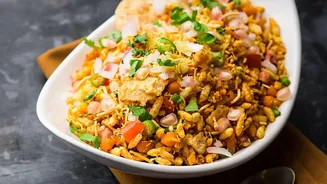
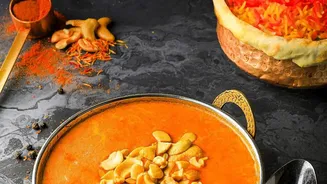
The food landscape of Navratri has undergone a gourmet revolution. While traditionally observed with a strict sattvik diet, the festival's culinary appeal has broadened significantly. Restaurants and cafes across the country now roll out specialized 'vrat-friendly'
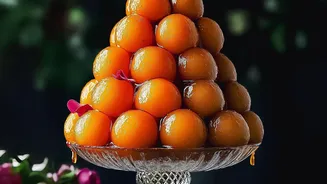
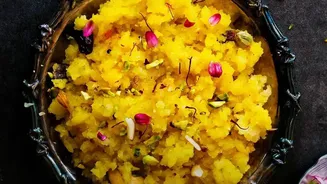
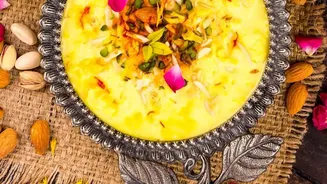
menus that go far beyond basic fasting staples like sabudana khichdi. Diners can find everything from buckwheat flour (kuttu) puris and barnyard millet (samak) pulao to innovative desserts like makhana kheer and sweet potato halwa. This culinary creativity has turned fasting into a feasting experience, attracting food enthusiasts who may not be observing the fast but are eager to explore unique, seasonal vegetarian cuisine. Elaborate Navratri thalis, beautifully plated and offering a variety of textures and flavors, have become a major draw, making the festival's dietary traditions accessible and exciting for a mainstream audience.
Decor That Celebrates Heritage
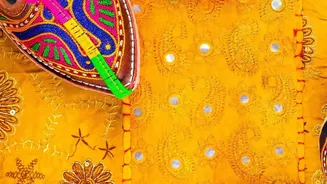
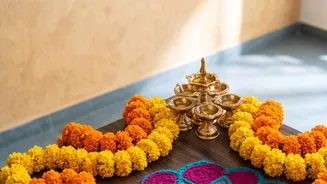
The festive spirit is also being expressed through a renewed focus on home decor. For many, preparing the home for Navratri has become an aesthetic pursuit that blends tradition with personal style. The emphasis has shifted from simple religious setups to creating an immersive, celebratory ambiance. This includes decorating entrances with fresh flower torans and intricate rangoli designs, and styling pooja corners with elegant brass lamps, bells, and colorful drapes. There's a growing appreciation for handcrafted and artisanal items, with people opting for clay idols, hand-painted diyas, and traditional textiles like bandhani to adorn their living spaces. This trend reflects a larger cultural movement towards embracing and showcasing Indian heritage in modern homes, turning Navratri into an occasion for aesthetic expression that appeals to homeowners, decor enthusiasts, and a younger generation keen on connecting with their roots.
Traveling for an Authentic Experience
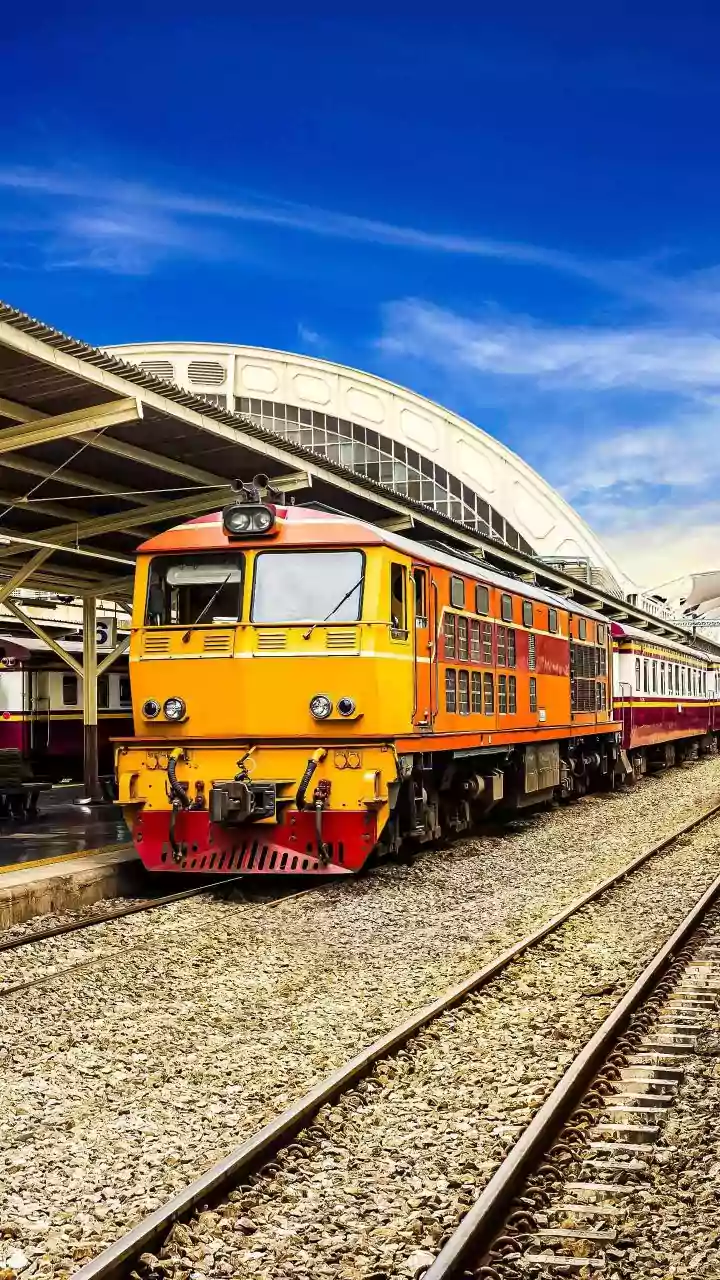
Perhaps the most significant shift is the rise of Navratri-centric tourism. The festival is no longer just a local or family affair; it has become a travel-worthy event. States like Gujarat, the epicenter of Garba and Dandiya Raas, now attract thousands of visitors from across India and the world. Travel agencies and hotels offer curated Navratri packages that include stays, temple visits, and passes to the most vibrant Garba events in cities like Ahmedabad and Vadodara. These packages cater to travelers seeking an authentic cultural immersion, complete with opportunities to shop for traditional attire and savor local delicacies. This trend highlights a growing desire for experiential travel, where the goal is to participate in and not just observe cultural festivities. The dance, music, and communal energy of Garba nights have a universal appeal, drawing in crowds far beyond the Gujarati community.
A Festival for a New Generation
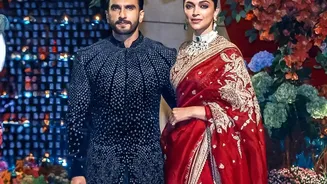
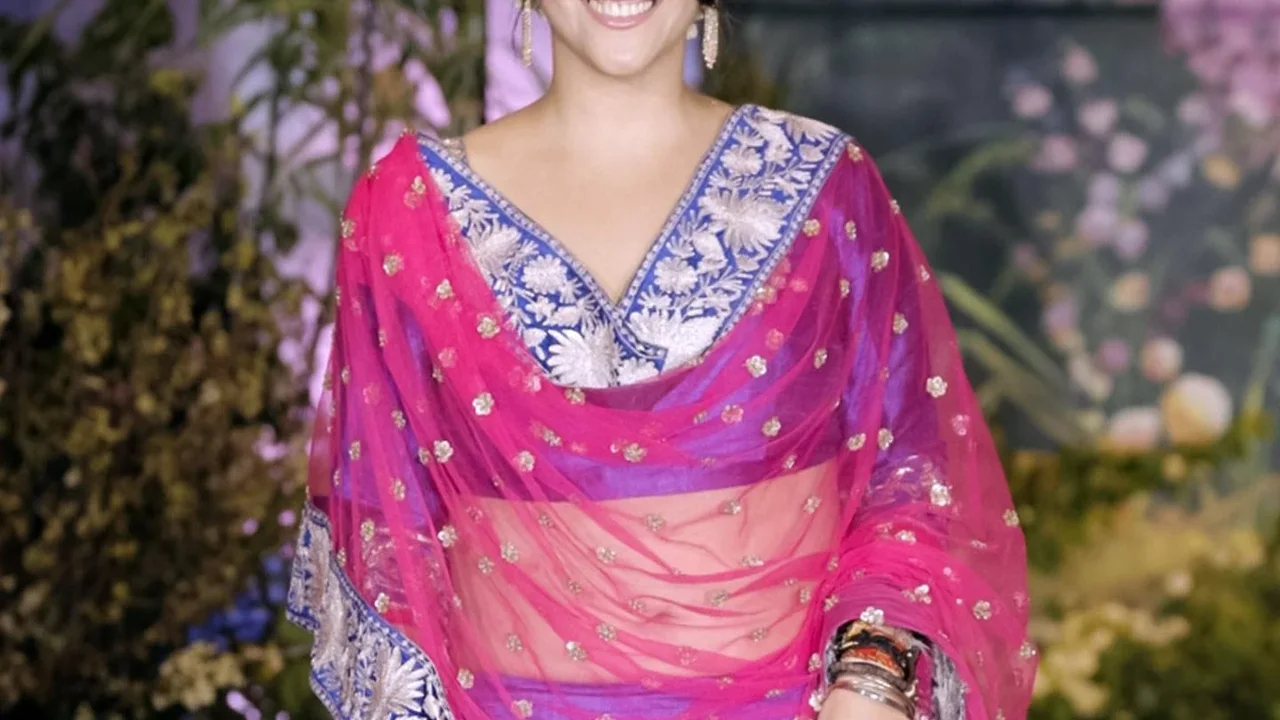
This evolution of Navratri is largely driven by a new generation of Indians who are seeking meaningful connections with their culture. For millennials and Gen Z, the festival is an opportunity to celebrate their heritage in a way that feels contemporary and personal. The fusion of tradition with modern trends is evident in everything from fashion—where classic chaniya cholis are styled with a modern twist—to the music at Garba events, which often blends folk tunes with popular Bollywood tracks. Social media plays a huge role in amplifying these trends, with platforms like Instagram becoming a digital runway for Navratri fashion and decor. This commercialization has also created a significant economic boost for various sectors, including retail, hospitality, and artisans, making the festival a powerful economic engine. The broader appeal lies in this blend of the sacred and the social, the traditional and the trendy, transforming Navratri into an inclusive, pan-Indian cultural celebration.