

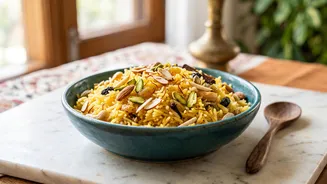

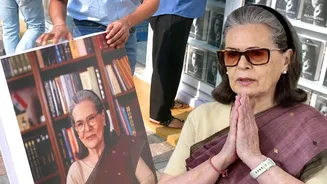
Some dishes are more than just food; they are edible memories. For the Nehru-Gandhi family, a particular sweet rice holds a special place, a fragrant reminder of festive gatherings and deep-rooted Kashmiri heritage, a tradition Sonia Gandhi continues.
A Taste of Celebration
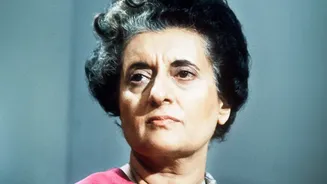
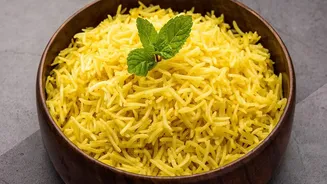
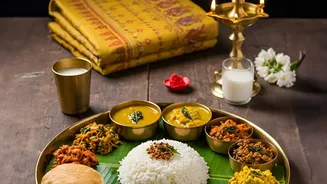
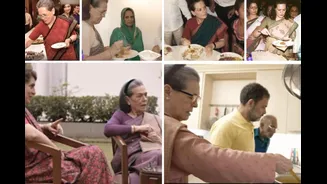
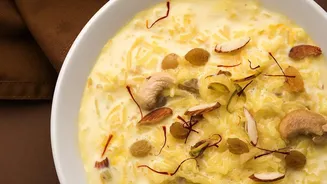
In a recent video conversation with her daughter Priyanka and granddaughter Miraya, Sonia Gandhi reminisced about Diwali celebrations at the former prime ministerial residence of her mother-in-law, Indira Gandhi. Amidst memories of diyas and firecrackers, she recalled a specific culinary tradition that endures. 'On festivals, we always used to have Kashmiri food and that sweet rice…which we still make, by the way,' she shared. While she didn't name the dish, the description points directly to Modur Pulav, a celebrated sweet rice from the Kashmir Valley that embodies the spirit of festive indulgence.
What is Modur Pulav?
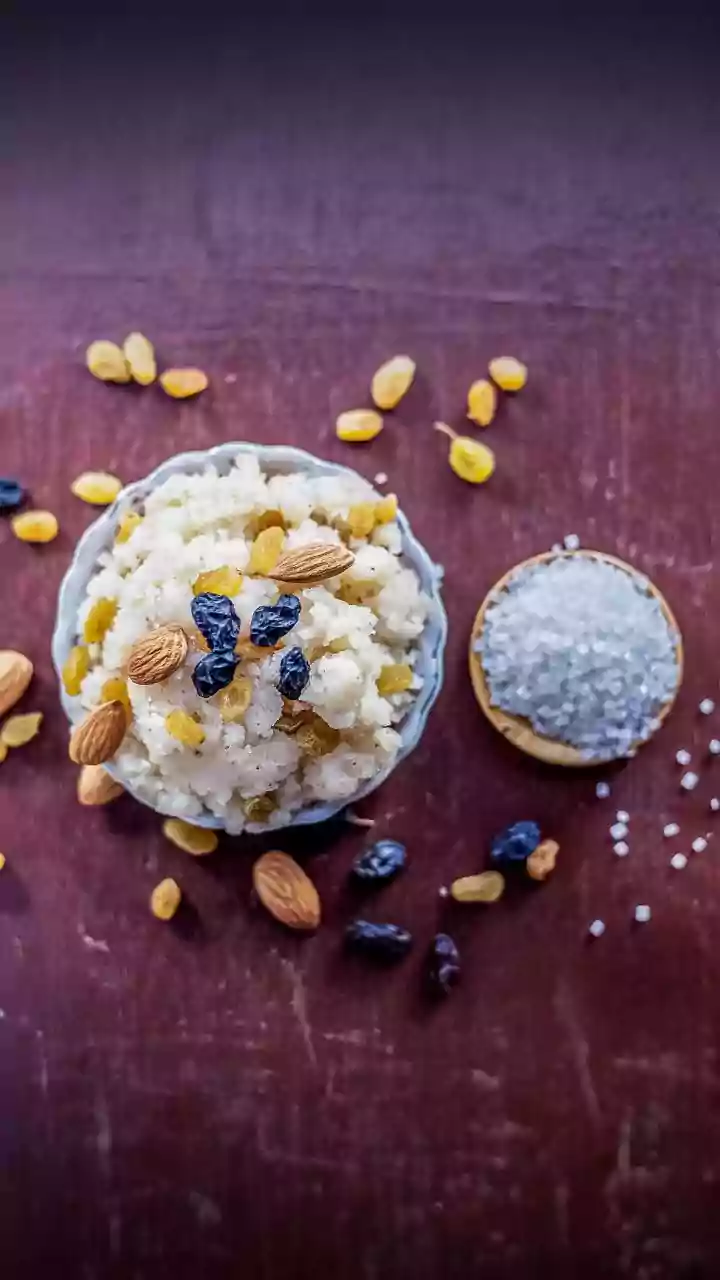
The name itself offers a clue: in Kashmiri, 'modur' means sweet. Modur Pulav is a luxurious preparation of long-grain basmati rice cooked not just with water, but often with milk, and sweetened with sugar. Its magic, however, lies in the symphony of aromas and textures. The rice is infused with the golden hue and delicate fragrance of saffron, one of Kashmir's most famous products. It’s made rich with a generous amount of ghee and studded with a treasure trove of fried nuts and dried fruits—almonds, cashews, raisins, and dates are common additions. Whole spices like cinnamon, cloves, and green cardamom are sizzled in ghee to release their aromatic oils, laying a warm, fragrant foundation for this opulent dish. Unlike savoury pulaos, Modur Pulav is a dish that sits on the delightful border between a main course and a dessert, often served during weddings and special occasions.
The Nehru Family's Kashmiri Roots
The Gandhi family's fondness for Kashmiri cuisine is a direct link to their heritage. The Nehrus were originally Kashmiri Pandits, and this cultural identity was steadfastly maintained in the household, particularly by Indira Gandhi. Even though she was raised in Allahabad, she ensured that Kashmiri culture was reflected in the family’s food and celebrations. Sonia Gandhi's memoir, 'Belonging', notes that many of the family's daily meals were prepared in the Kashmiri Pandit style. She recalls a specific New Year tradition where lunch was traditional Kashmiri fare: mutton koftas, haak (a leafy green), and 'meetha chawal' or sweet rice. This consistent presence of Kashmiri dishes, especially a sweet rice on festive occasions, highlights how food became a vessel for preserving cultural identity, a tangible connection to the family's ancestral home in the valley.
A Legacy in Every Grain
The history of sweet rice in the region is long and storied, with mentions of 'Zard Pulao' (yellow rice) dating back to ancient texts, showing a clear Persian influence on North Indian and Kashmiri cuisine. The practice of garnishing rice with nuts and dried fruits is also traced back to Persian culinary traditions that found a welcome home in the subcontinent. Modur Pulav is a perfect example of this synthesis. It is a dish that represents hospitality and abundance in Kashmiri culture, making it a fitting centerpiece for celebrations. For a family so deeply intertwined with the nation's history, preparing this dish is more than just cooking; it's an act of remembrance. It’s a continuation of Indira Gandhi's efforts to keep her Kashmiri heritage alive at the dinner table, a tradition now passed down through generations.