






The modern morning often presents a choice: the rustle of a cereal box promising speed, or the sizzle of a pan offering something more. In the debate between convenience and comfort, a hot, traditional breakfast has a story to tell.
The Cold Comfort of a Cereal Box
Let’s be honest, packaged
cereal is a marvel of modern convenience. On a busy morning, it’s the undisputed champion of speed. Pour, add milk, and the first meal of the day is served. Manufacturers have perfected the art of marketing these boxes, plastering them with health claims, from 'fortified with vitamins' to 'made with whole grains'. However, this efficiency often comes at a cost. Many popular cereals are highly processed and can be laden with added sugars and refined carbohydrates, leading to a quick energy spike followed by a crash. Beyond the nutritional label, there’s an experiential deficit. The uniform crunch and sweetened flavour offer a predictable but sterile start to the day. It’s fuel, but it rarely feels like food that has been made with care or intention. It fills the stomach but does little to warm the soul.
A Breakfast That Awakens the Senses
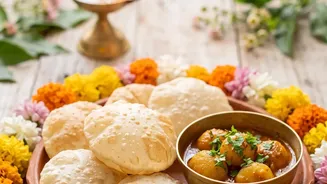
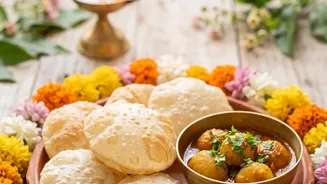
Now, picture a different kind of morning. It starts not with a rustle, but with the gentle kneading of dough. The air fills with the fragrant aroma of spices—turmeric, cumin, coriander—blooming in hot oil for the aloo sabzi. Then comes the unmistakable sizzle as a flattened disc of dough puffs up into a golden, glorious puri. This is not just a meal; it’s a sensory event. A plate of puri sabzi is a feast of textures and temperatures: the soft, yielding potato curry against the crisp, airy bread. It’s a breakfast that demands you sit down and pay attention. In North India, and across the country, a hot, freshly prepared breakfast is a cherished ritual, designed to provide sustained energy and a moment of genuine pleasure before the day begins.
The Psychology of a Warm Meal
The preference for a hot meal, especially in the morning, isn’t just about taste. There's a psychological and physiological reason why a warm breakfast feels so deeply comforting. Hot food is easier for our bodies to digest because it’s closer to our internal temperature, meaning our system expends less energy on the process. This allows for better absorption of nutrients. But the comfort runs deeper. Foods like puri sabzi are what we call 'comfort foods'—meals that are tied to memory, tradition, and a sense of being cared for. The flavours and smells can transport us back to childhood kitchens and family gatherings, activating the brain's reward system and providing a genuine sense of well-being that a factory-sealed bag simply cannot replicate.
Rethinking Morning Nutrition
While 'deep-fried' might sound like a nutritional red flag, a closer look reveals a more nuanced picture. A traditional Indian breakfast often balances different food groups. The sabzi is a vehicle for vegetables and a host of beneficial spices. When paired with a legume-based dish, the meal provides a more complete protein source. In contrast, many cold cereals offer what some call 'empty calories'. While fortified with vitamins and minerals to compensate for the processing, they can lack the natural fiber and complex carbohydrates that provide long-lasting energy. A hot, home-cooked meal offers nourishment that is rooted in whole ingredients, providing a foundation for the day that feels both substantial and satisfying.
Making Time for Tradition
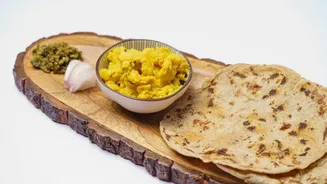
In our fast-paced lives, making puri sabzi every morning is an unrealistic expectation. Packaged cereals and other quick options hold their place for a reason. However, the conversation isn’t about completely abandoning convenience; it’s about recognizing what we lose when we do so exclusively. Traditional Indian breakfasts are more than just recipes; they are a connection to our culture and heritage. Perhaps the answer lies in reclaiming this ritual, even if only on weekends. Taking the time to prepare and share a hot meal is an act of self-care and a way to stay connected to our roots. It’s a reminder that food can and should be a source of joy, comfort, and connection, not just a task to be completed as quickly as possible.