





The Drivers of a Healthier Bite
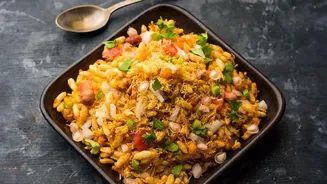
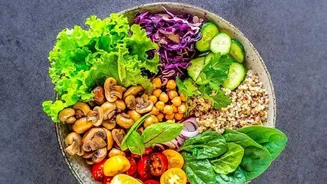
The move away from traditional, often carb-heavy or fried snacks, is not accidental. It's a shift driven by a powerful convergence of trends. A growing awareness of lifestyle-related health issues is pushing consumers to make more intentional food choices.
Many Indians are now actively reading nutritional labels, seeking out functional benefits like energy and mood enhancement from their food. A 2025 survey found that health strongly influences the snacking choices of 72% of people. This health consciousness is coupled with the demands of modern urban life. Hectic schedules and long work hours leave little time for elaborate meal preparation, creating a need for convenient, on-the-go options that don't compromise on nutrition. As a result, snacks are no longer just a guilty pleasure but are increasingly seen as a crucial part of a balanced diet.
Meet the New Snack Aisle
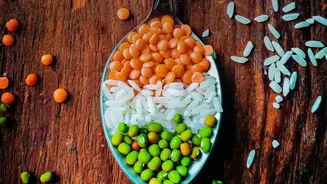
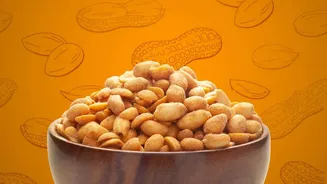
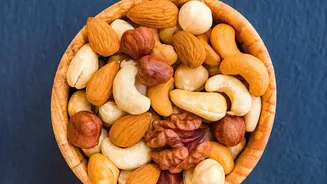
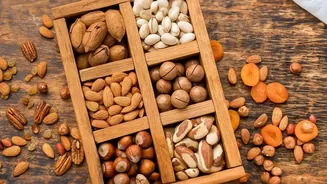
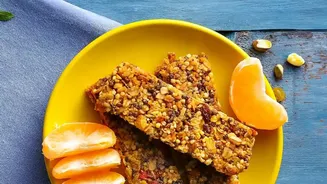
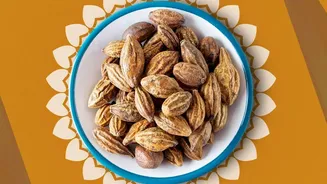
So, what are people eating? Nuts, seeds, and trail mixes are leading the charge, making up the largest segment of the healthy snacks market. Once reserved for festive occasions, almonds, walnuts, and a variety of seeds like pumpkin and sunflower are now everyday staples. They are valued for their high protein content, healthy fats, and fibre. Alongside them, protein as a category has exploded. The demand for everything from protein bars and protein-enriched yogurts to protein cookies and wafers is surging. Traditional foods are also getting a modern, healthy makeover. Makhana (fox nuts), once a fasting food, is now a mainstream superstar, roasted and flavoured as a crunchy alternative to potato chips. Similarly, millets are being incorporated into crackers, puffs, and snack bars, tapping into a renewed interest in traditional superfoods.
A Booming Market Opportunity
This consumer-led shift has created a massive business opportunity. India's healthy snacks market was valued at over USD 3 billion in 2025 and is projected to grow significantly, with some estimates suggesting a compound annual growth rate (CAGR) of over 8%. The packaged nuts and seeds market is also expanding rapidly, with one report projecting a CAGR of 10.3% between 2026 and 2033. This growth is attracting both established food giants and a wave of new startups. These brands are innovating with clean-label products, offering items with no artificial additives or preservatives, which 55% of consumers prefer. The rise of quick commerce and direct-to-consumer (D2C) online models is further levelling the playing field, allowing smaller, niche brands to compete with household names.
Beyond the Metros
While this trend may have started in major metropolitan areas like Bengaluru, it is rapidly spreading across the country. The demand for protein-rich products is reportedly growing over 200% faster in Tier II and smaller cities like Nagpur, Jaipur, and Guwahati than in the metros. This indicates a nationwide shift towards more mindful and protein-focused eating habits. However, it's important to note that this doesn't spell the end for traditional snacks. Many consumers are adopting a hybrid approach, opting for healthier snacks on weekdays or for solo consumption, while still enjoying indulgent, traditional favourites during social gatherings and on weekends. The key takeaway is that the Indian snack basket is expanding, making room for both health and indulgence.