

The Late Monsoon Challenge
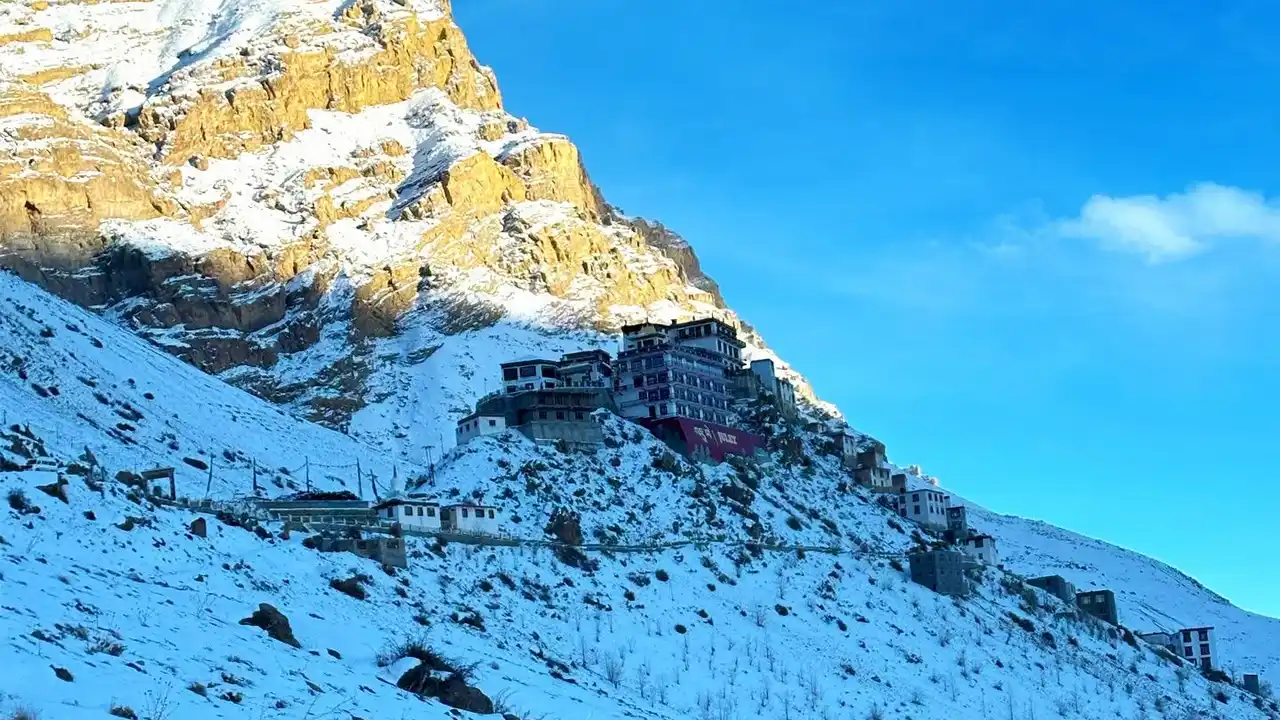
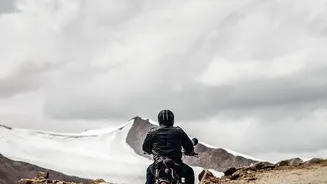
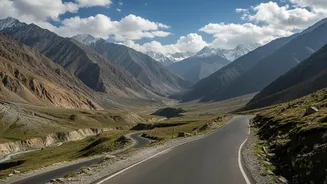
Travelling the Manali-Leh highway in late August and September means navigating the tail end of the monsoon. While the Ladakh region is a rain-shadow desert, the stretch from Manali to the high passes is vulnerable. Expect unpredictable weather, with
risks of sudden landslides and flash floods, particularly on the Manali side. Water crossings, locally known as 'nalas', swell with glacial melt and rain, becoming formidable obstacles, especially in the afternoon. The Border Roads Organisation (BRO) works tirelessly to keep the route open, but temporary blockades are common. Travellers must remain flexible and check daily advisories from local authorities before starting each leg of their journey. Driving after sunset is strictly inadvisable due to these heightened risks.
Mastering High Altitude
Acute Mountain Sickness (AMS) is a serious, non-negotiable risk. The route involves ascending from Manali (around 2,050 metres) to high passes like Tanglang La (5,328 metres). The key to prevention is gradual acclimatisation. The golden rule is to ascend slowly; experts strongly advise against a marathon drive. A crucial stop for acclimatisation is at Keylong (3,080 metres) or Jispa (3,200 metres). Sleeping at Sarchu (4,290 metres) on the first night is a common but dangerous mistake that significantly increases the risk of severe AMS. Symptoms of AMS include headache, nausea, dizziness, fatigue, and loss of appetite. If these symptoms appear, do not ascend further. Stay hydrated by drinking 3-4 litres of water daily, avoid alcohol, and eat light, high-carbohydrate meals. If symptoms worsen, immediate descent is the only effective treatment.
Your Vehicle's Mechanical Health
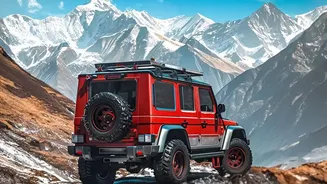
Your vehicle is your lifeline on this remote highway. A thorough service before the trip is essential. For cars, an SUV with high ground clearance is ideal, though sedans can make the trip if driven carefully. Pay special attention to brakes, suspension, and tires, ensuring they have ample life. Your car's mileage can drop by 20-30% at high altitudes, so plan fuel stops accordingly. The stretch between Tandi and Leh is notoriously long without fuel pumps. Carry a spare 10-20 litres in a metal jerry can. A basic toolkit is vital. This should include a puncture repair kit, a reliable tyre inflator, and knowledge of how to use them. Also pack essential spares like a spare headlight bulb, fuses, and extra engine oil and coolant. At altitude, air filters can clog quickly, so ensure yours is clean before you start.
Essential Gear and On-Road Smarts
Packing involves preparing for extremes. Use a layered clothing system: thermals, a fleece or mid-layer, and a waterproof, windproof outer jacket. Even in August, temperatures at the passes can drop below freezing, especially at night. Your medical kit should contain basics for pain and stomach ailments, along with any prescription medications, and specific AMS medication like Acetazolamide (Diamox), which should only be taken after consulting a doctor. Carry high-energy snacks like nuts and biscuits. For on-road strategy, start your day early to cover maximum ground in daylight and to cross water crossings when the flow is at its lowest in the morning. Only post-paid mobile connections from BSNL tend to work outside of major towns, so be prepared for long periods of no connectivity. Always carry physical copies of your IDs and permits.