



A New Golden Age for Concerts
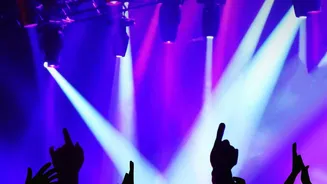
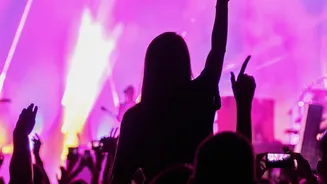
The roar of the crowd has become a familiar sound across India's major cities. In the last couple of years, the country has hosted a dazzling array of global music icons, a trend that shows no signs of slowing. Blockbuster tours by Coldplay and Ed Sheeran
didn't just sell out; they demonstrated the immense appetite and spending power of Indian fans, creating a ripple effect across the global music industry. The year 2026 is already shaping up to be monumental, with confirmed performances from legendary rock band Linkin Park, R&B sensation Khalid, and EDM giants like Calvin Harris and The Chainsmokers. This isn't just about a few big names. A steady stream of artists across genres, from John Mayer to Guns N' Roses, are booking dates, signaling a fundamental shift. India is now firmly on the map as a key market for live music.
Why Is This Happening Now?
Several factors are fueling this concert boom. At its core is a growing economy and a massive young population with increasing disposable income, prioritizing experiences over possessions. The live events market in India has exploded, with one report noting a staggering 414% growth in the live music sector between 2020 and 2024. Streaming services have also played a crucial role, creating dedicated fanbases for international and domestic artists alike, long before they announce a tour. Promoters like BookMyShow, often in partnership with global giants like Live Nation, are now investing heavily in bringing acts to India, moving from being just ticket sellers to full-fledged producers of large-scale events. This professionalization of the industry means India is now equipped to handle the complex logistics of world tours.
The Festival Effect
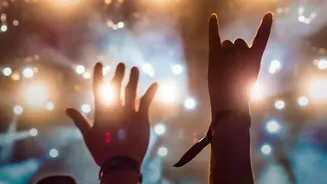
Much of this momentum can be attributed to the success of large-format music festivals. Lollapalooza India, which debuted in Mumbai in 2023, has become a game-changer. By bringing a globally recognized brand to the country, it provided a ready-made platform for both international headliners and homegrown talent to share a stage. The festival’s success, with tickets for its 2026 edition selling out months in advance, proved that there is a sustainable audience for multi-day, multi-genre events. Festivals like Lollapalooza, Sunburn, and the rock-focused Bandland are redefining the landscape, making live music a destination event. Fans now travel from across the country, planning entire trips around these musical weekends, which in turn provides a massive boost to local tourism, hospitality, and retail sectors.
More Than Just the Metros
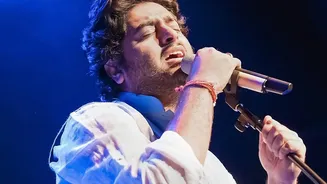
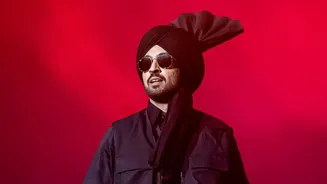
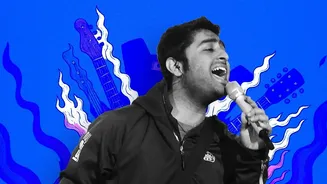
While Mumbai and Delhi remain the epicenters, the music is spreading. Artists and promoters are increasingly adding cities like Bengaluru, Hyderabad, Pune, and even Guwahati to their tour itineraries. This expansion is happening for both international acts and India's own superstars. Artists like Diljit Dosanjh and Arijit Singh are packing arenas nationwide, proving that the demand for high-quality live productions is a pan-Indian phenomenon. This geographical diversification is a healthy sign of a maturing market, making live music accessible to a wider audience and creating new local economies around these events. The rise of Punjabi pop, in particular, has demonstrated a powerful crossover appeal, drawing massive crowds across a wide demographic.
The Road Ahead
Despite the phenomenal growth, the industry still faces hurdles. A shortage of world-class indoor arenas, complex regulatory permissions, and ensuring crowd safety at massive events are ongoing challenges that promoters and authorities are working to solve. In response to some recent incidents, state governments have begun exploring single-window clearance systems to streamline the process for organizing large events, a crucial step for sustainable growth. The industry is in a phase of rapid evolution, learning from each massive tour and festival. The systems that support the boom are still catching up to its scale, but the commitment from artists, promoters, and fans is undeniable.