

Preservation: A Timeless Science
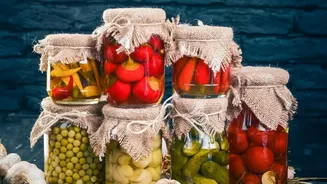
Long before refrigerators, our ancestors mastered the art of making seasonal produce last all year. Pickling was a science of survival. The primary methods rely on a trio of natural preservatives: salt, oil, and spices. Salt is the first line of defence,
drawing out moisture from fruits and vegetables through osmosis, which inhibits the growth of spoilage-causing bacteria. Oil, particularly mustard oil in North India or sesame oil in the South, acts as a protective barrier, sealing off the contents from air and preventing oxidation and microbial growth. This simple yet effective technique transformed perishable items into a source of sustenance, ensuring that the bounty of summer mangoes or winter vegetables could be enjoyed months later.
Flavour: The Soul of the Pickle
While preservation is the function, flavour is the soul. Indian pickles are renowned for their complex taste profiles, which come from meticulously crafted spice blends known as 'achar masala'. These are not just random additions for taste; each spice serves a purpose. Mustard seeds provide pungency, fenugreek lends a subtle bitterness, fennel adds a touch of sweetness, and turmeric offers its earthy notes and vibrant colour. Spices like asafoetida (hing) and cumin aid digestion, while chilli powder provides the signature heat. The genius lies in how these spices work together, creating a flavour that is more than the sum of its parts and also contributes to the preservation process.
Nutrition: The Hidden Benefit
Often dismissed as just a spicy indulgence, traditional pickles are a source of surprising nutritional benefits. Many are made through lacto-fermentation, a process where natural bacteria convert sugars into lactic acid. This not only preserves the pickle but also creates probiotics, the beneficial bacteria essential for good gut health. A healthy gut microbiome is linked to better digestion, nutrient absorption, and a stronger immune system. Furthermore, the spices themselves are rich in antioxidants and have anti-inflammatory properties. Of course, pickles are high in salt and oil, which is why they are traditionally consumed in small amounts—as a condiment, not a main dish. This practice of moderation is itself a lesson in balanced eating.
A Taste of India's Diversity
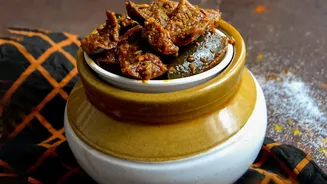
The true beauty of Indian pickling lies in its regional diversity. Each state offers its own unique spin, reflecting local ingredients and palates. In Andhra Pradesh, the fiery 'Avakaya' mango pickle, made with a generous amount of mustard powder and chilli, is a staple. Gujarat is famous for its sweet and sour 'Chhundo' and 'Gorkeri', which use jaggery to balance the tang of raw mangoes. From Kerala comes the 'Kadumanga', a tender baby mango pickle, while Bengal offers its distinctive mustard-based 'Kasundi'. In the Northeast, you can find unique pickles made from bamboo shoots or fiery ghost peppers (bhut jolokia). Each variety tells a story of its region's climate, culture, and culinary history.