








The Perfect Storm for Mould
Mould and mildew are types of fungi that thrive in damp, warm, and dark conditions. Your wet coat provides the perfect storm of these elements. The fabric, whether it's wool, cotton, or a synthetic blend, offers organic material for the fungi to feed
on. When you hang a wet coat in a poorly ventilated closet or bunch it up on a hook, you are essentially creating a petri dish. The moisture trapped within the fibres, combined with the lack of airflow and ambient warmth of a home, allows fungal spores—which are always present in the air—to settle, germinate, and multiply rapidly.
More Than Just a Musty Smell
The most obvious sign of a problem is a persistent musty smell that doesn't go away even after the coat is dry. But the real danger lies in the health issues these fungi can cause. For many, exposure to mould spores triggers allergic reactions. Symptoms can include sneezing, a runny nose, itchy eyes, and skin rashes. For individuals with asthma, mould can be a serious trigger, leading to breathing difficulties and asthma attacks. In some cases, direct contact with fungus-laden fabric can cause skin infections, such as tinea corporis (ringworm), especially if there are minor cuts or abrasions on the skin. People with weakened immune systems are particularly vulnerable to more severe respiratory infections.
How to Spot the Problem
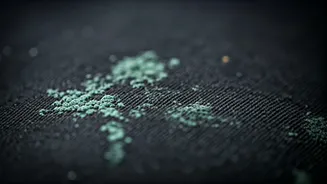
Beyond the tell-tale smell, you might see visible signs of fungal growth. Mildew often appears as powdery patches that can be grey, white, or yellowish. Mould tends to be darker, appearing as black, green, or blue fuzzy spots. These colonies might first appear in hidden areas like the inside of the collar, under the armpits, or along the seams and lining. If you suspect an issue but can’t see anything, trust your nose. A strong, earthy, or foul odour is a clear indicator that microscopic fungal colonies are flourishing within the fabric fibres.
The Right Way to Dry Your Coat
Prevention is the most effective strategy. The moment you take off a wet or damp coat, take a few seconds to hang it properly. Use a sturdy hanger to help it maintain its shape and allow air to circulate freely around it. Never leave it crumpled on furniture or packed tightly in a closet. Hang it in a well-ventilated area, away from other dry clothes. If possible, open a window or use a fan to speed up the drying process. For very saturated coats, you can gently blot excess water with a clean towel before hanging.
Cleaning a Contaminated Coat
If you've discovered mould or mildew on a coat, you need to act fast. For washable fabrics, a hot water wash cycle (if the care label permits) can help kill spores. Adding a cup of white vinegar or a specialised laundry disinfectant to the wash can be highly effective. For stubborn stains or smells, you can create a paste of baking soda and water, apply it to the affected area, and let it sit before washing. For non-washable items like wool or leather coats, it's best to consult a professional dry cleaner. Inform them about the mildew so they can use the appropriate treatment to kill the fungi without damaging the garment.
Smart Storage and Long-Term Care
Proper storage is crucial, especially in humid climates or during the monsoon season. Before storing coats for the off-season, ensure they are completely clean and bone-dry. Storing a slightly damp coat is an invitation for mildew. Use breathable garment bags instead of plastic ones, which can trap moisture. In particularly damp closets, consider using silica gel packets or a small, reusable dehumidifier to absorb excess moisture from the air. Regularly airing out your wardrobe by leaving the doors open for a few hours can also make a significant difference in preventing a humid microclimate from developing.