




The End of the Untouchable Room
For decades, many homes featured a formal living room—a space perpetually ready for guests who rarely came. It was a room of rules, a place where no one was supposed to get too comfortable. This concept is becoming a relic. Homeowners today are increasingly
looking to utilize every square foot of their property. The idea of a room being too precious for daily life has given way to a demand for functionality and comfort. This cultural shift towards casual living is a primary driver behind the decline of formal spaces and the rise of rooms designed for actual living, not just for show.
So, What Is a Modern Den?
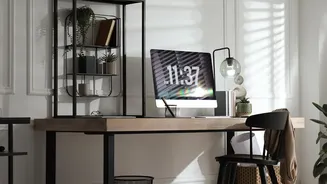
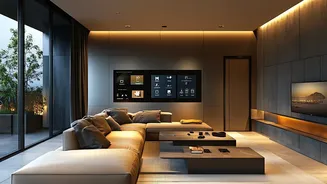
Forget the 1970s stereotype of dark wood paneling and a worn-out recliner. Today’s den is a versatile, private retreat tailored to the household's needs. It’s a space defined by its purpose rather than a strict set of rules. It might be a quiet nook for reading, a dedicated media room for movie nights, a home office, or a place for hobbies. Unlike a living room, which is a public-facing social hub, the den is more of a personal hideaway. It's typically smaller, more intimate, and located away from the main traffic areas of the home, offering a sanctuary from the hustle and bustle of daily life.
A Sanctuary for Modern Life
Why is the den returning now? The trend is a direct response to our increasingly digital and demanding lives. With the rise of hybrid work, the lines between home and office have blurred, creating a need for distinct zones to separate work from relaxation. The den serves as an essential 'third space' within the home itself—a place to decompress that isn't the bedroom or the main living area. It's a space for digital detox, where one can curl up with a book, listen to music, or simply sit in quiet comfort. This craving for personal, soulful spaces reflects a broader 2026 design trend toward longevity and meaning over fleeting aesthetics.
Not Just a Man Cave
While the den was historically seen as a masculine space—the 'man cave'—the modern interpretation is far more inclusive. It's a room for everyone in the household. It’s distinct from a family room, which is often designed around children's activities, and it’s different from a guest room, which sits empty most of the time. The 2026 den is a flexible, multipurpose room that adapts to the needs of all residents. It prioritizes comfort and function, featuring cozy furniture, soft textiles, and personal collections that reflect the personalities of the people who live there.
How to Cultivate Den Energy
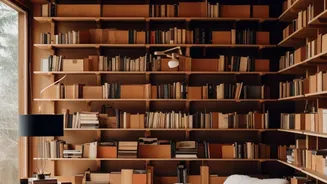
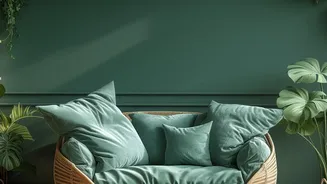
Creating a den doesn't necessarily require an entire spare room. It’s more about creating a mood. You can convert a neglected corner of a basement, an underused formal dining room, or even a large landing. The key is to define the space and make it feel intentional. Think about using furniture or even just different paint colours to create invisible boundaries. Embrace moody hues, layered lighting from lamps rather than overheads, and plenty of texture with blankets and rugs. Fill the space with what brings you joy and relaxation—bookshelves, a record player, a comfortable armchair, or a small desk for journaling. The goal is to design a space that feels like a personal retreat, a cozy hug in the form of a room.