



Beyond the Usual 'Chai'
When we think of Himalayan tea, images of the iconic salted butter tea, or 'gur gur cha', often come to mind. But the region's beverage traditions are far richer and more diverse. For centuries, people across these mountains have brewed infusions using
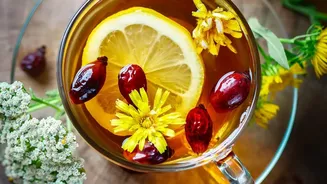
locally foraged herbs and plants. These drinks were not just for refreshment; they were a part of daily life, brewed for warmth, wellness, and ritual. From the earthy, grounding flavour of dried stinging nettle ('sisnu') to the spicy, sacred notes of tulsi (holy basil), these concoctions were the original wellness drinks. Many of these traditional brews are naturally caffeine-free and were developed out of necessity and local wisdom in areas where milk was not always a staple. This history of milk-free brewing is now a key part of their modern appeal.
A Legacy Steeped in Altitude
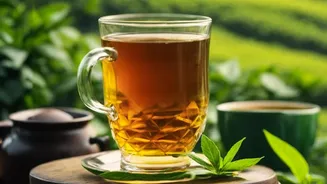
The unique environment of the Himalayas is what makes its teas and herbal infusions so special. Plants grown at high altitudes, in thin air and under intense sunlight, grow slower. This allows them to concentrate nutrients and essential oils, resulting in deeper, more complex flavours. Teas from regions like Kangra and Nepal are known for their delicate, nuanced profiles, a direct result of the mineral-rich mountain soil and cool mists. The history of tea cultivation itself in areas like Kangra dates back to the mid-19th century, with Chinese tea varieties that flourished in the climate. These orthodox, or hand-processed, teas were once considered superior to others in India, winning awards in London and Amsterdam in the 1880s and 1890s. This long legacy of quality has created a foundation for today's revival.
The Modern Wellness Connection
The resurgence of these ancient beverages is perfectly timed with a modern shift towards wellness and authenticity. Today's health-conscious consumers are actively seeking natural, functional foods. Himalayan herbal teas fit this demand perfectly. Traditionally used to aid digestion, provide warmth, and support the body at high altitudes, these benefits are now being rediscovered. Many of these teas are rich in antioxidants and compounds like L-theanine, which promotes a feeling of 'calm alertness' without the jitters of coffee. As consumers become more discerning, they are moving away from mass-produced drinks and towards products with a clear origin and a story. The appeal lies in a return to traditional wisdom, where ingredients like tulsi, mint, and lemongrass have been used for their restorative properties for generations.
From Mountainside to Metropolis
So, why is this trend taking hold in urban India right now? A big part of the answer lies in a growing appreciation for homegrown heritage. Indian consumers are increasingly looking for authenticity and are turning back to familiar, traditional ingredients over foreign trends. This 'return to roots' movement is driving interest in everything from regional cuisines to Ayurvedic wellness practices. Himalayan teas, with their pure origins and deep cultural history, are a natural fit. Artisanal brands and online stores are making these once-regional specialties accessible to a national audience. They are packaging them for a modern lifestyle, highlighting their unique flavours, wellness benefits, and the ritual of preparing a mindful cup of tea. This trend isn't just about drinking tea; it's about connecting with a piece of Indian heritage.