



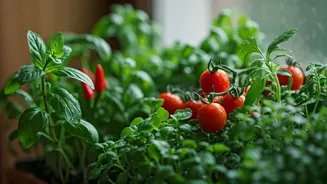


1. Location, Location, Sunlight
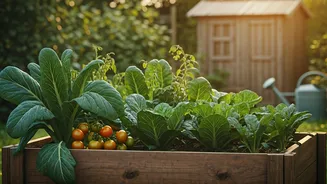
Before you even think about soil, think about the sun. Most vegetables and herbs need at least 6-8 hours of direct sunlight every day to thrive. Spend a day observing your space—be it a balcony, terrace, or backyard. Where does the sun fall in the morning?
Where is it in the afternoon? A south-facing spot is often ideal, but east- or west-facing areas can also work. Also, consider convenience. If your garden is too far from the kitchen or a water source, you’ll be less likely to tend to it. Choose a spot that’s easy to access for daily watering and harvesting.
2. Start Small, Dream Big
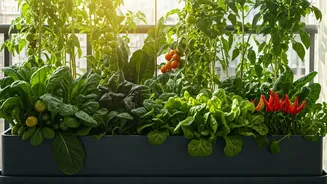
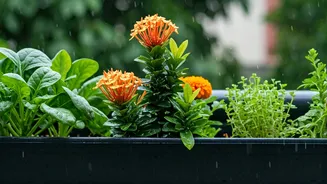
It’s tempting to want to grow everything at once, but beginner’s enthusiasm can quickly turn into overwhelm. The biggest mistake new gardeners make is starting too big. Begin with just two or three pots on a balcony or a small, manageable 4x4 foot patch in the ground. This allows you to learn the basics of watering, pest control, and harvesting without feeling buried in work. You can successfully grow essentials like mint (pudina), coriander (dhaniya), and chillies in just a few containers. Once you build confidence and understand your space, you can gradually expand your green empire season by season.
3. Get Your Hands Dirty (With Good Soil)
Your plants are only as good as the soil they grow in. Simply digging up backyard dirt often won’t cut it, as it can be too dense, lack nutrients, or drain poorly. For container gardening, a high-quality potting mix is non-negotiable. It’s lightweight, sterile, and designed for good drainage. You can buy pre-made mixes or create your own by combining cocopeat, compost (like vermicompost), and perlite. If you’re planting in the ground, enrich your existing soil by mixing in plenty of organic matter like compost or well-rotted cow dung manure. This simple step improves soil structure, aeration, and nutrient content, setting your plants up for success.
4. Choose Your Plants Wisely
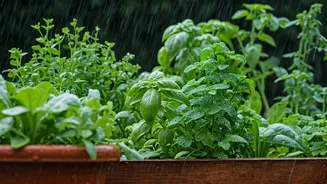
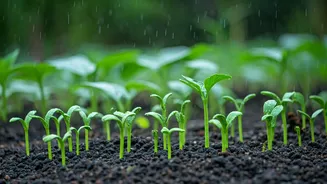
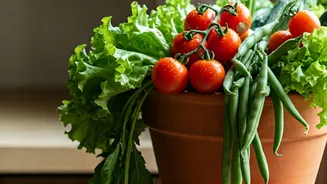
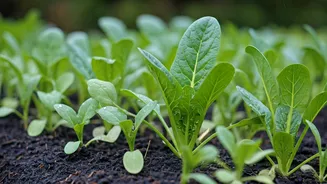
Don’t just plant what you love to eat; plant what loves to grow in your climate. Start with easy, fast-growing plants to get some quick wins. In most Indian climates, this includes herbs like mint, basil (tulsi), and coriander. Leafy greens like spinach (palak) and amaranth (chaulai) are also fantastic for beginners. For vegetables, consider cherry tomatoes, brinjal (eggplant), bhindi (okra), and various types of gourds. These are relatively hardy and well-suited to our conditions. Check with a local nursery about which specific varieties perform best in your city. Starting from saplings instead of seeds can also give you a head start.
5. Master the Art of Watering
More plants are killed by overwatering than by underwatering. The golden rule is to check the soil first. Stick your finger about an inch deep into the soil. If it feels dry, it’s time to water. If it’s still moist, wait another day. Water deeply and thoroughly until you see water coming out of the drainage holes at the bottom of the pot. This encourages roots to grow deep. Try to water the soil directly, not the leaves, to prevent fungal diseases. The best time to water is in the early morning, which allows the plant to absorb moisture before the heat of the day and lets excess water on leaves evaporate.
6. Plan for Pests and Problems
Unfortunately, you’re not the only one who will find your vegetables delicious. Pests are a part of gardening. The key is integrated pest management, not just reacting with harsh chemicals. Start by keeping your plants healthy; strong plants are less susceptible to pests and diseases. Encourage beneficial insects like ladybugs. For common issues like aphids and mealybugs, a simple spray of neem oil solution (mixed with a little liquid soap and water) is a fantastic organic deterrent. Regularly inspect your plants, especially the undersides of leaves, so you can catch any problems early before they become a full-blown infestation.