




Living Heritage on Wheels
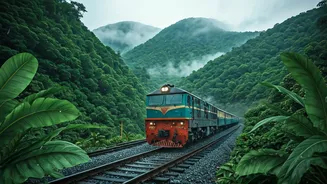
To travel on one of India’s great scenic railways is to journey through more than just a landscape; it is to travel through time. These are not merely functional transport links but living, breathing museums. Consider the trio of mountain railways granted
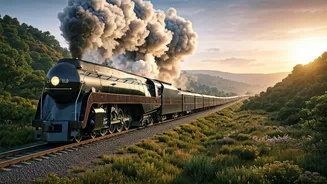
UNESCO World Heritage status: the Darjeeling Himalayan Railway (DHR), the Kalka-Shimla Railway, and the Nilgiri Mountain Railway (NMR). Each is an engineering marvel of its time, applying bold and ingenious solutions to conquer difficult mountain terrains. Opened in 1881, the DHR, affectionately known as the 'Toy Train', is the first and most outstanding example of a hill passenger railway, a testament to pioneering spirit that remains fully operational today. These routes are economic lifelines for the regions they serve, boosting tourism and supporting local communities by providing access and income. Their value is not just in the past they represent, but in the sustainable future they can help build.
The Gathering Storm of Threats
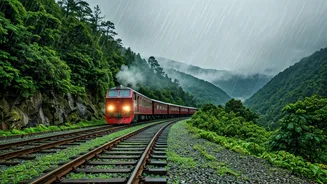
The argument to protect these lines is not a sentimental one; it is urgent. These irreplaceable assets face a confluence of modern pressures. Financially, many heritage lines struggle. The cost of maintaining century-old infrastructure, from tracks to vintage steam locomotives, is immense. There's also the persistent threat from nature, exacerbated by climate change. The Kalka-Shimla line, for example, has been repeatedly damaged by landslides and heavy rains, raising serious questions about its long-term viability without significant investment in mitigation. Then there is the paradox of progress. Well-intentioned 'modernisation' or 'beautification' projects, like those under the Amrit Bharat Station Scheme, can pose a threat. Conservationists in the Nilgiris have raised alarms that redevelopment at historic stations, while adding modern amenities, risks destroying the very heritage character and delicate ecosystems that make the NMR unique.
The Konkan Coast: A Modern Marvel Also at Risk
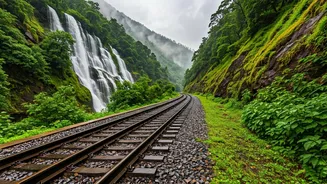
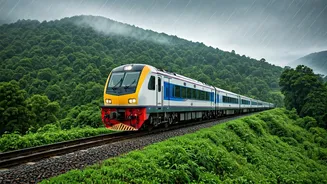
The challenge is not limited to colonial-era hill railways. The Konkan Railway, a more modern engineering triumph that connects the western coast, also faces an uncertain future. Celebrated for its stunning route through the Western Ghats, with 92 tunnels and countless bridges, its infrastructure is now over 25 years old and in need of a major capital overhaul. The ministry has acknowledged that the line requires significant investment to renew aging assets for safety and efficiency, a process complicated by its multi-state ownership structure. The Konkan line proves that even relatively new scenic routes require constant foresight and funding to remain viable, safe, and spectacular for passengers.
A Vision for the Future
Saving these railways does not mean freezing them in time. It means embracing a model of sustainable preservation. This involves a commitment from Indian Railways to balance heritage conservation with modern, passenger-friendly operations, a goal outlined by officials for the Darjeeling line. It requires creative solutions to funding, looking beyond ticket revenue to models that capture their immense value for tourism. Initiatives like 'Dekho Apna Desh' and the 'One Station One Product' scheme show a path forward, integrating rail tourism with local economies and artisan communities. Attracting high-yield tourism with luxury and heritage train experiences can generate significant revenue, which can be reinvested into maintenance and preservation. Ultimately, it requires a shift in perspective: seeing these lines not as financial burdens, but as priceless national assets that power regional economies and preserve our cultural identity.