






For All Commuters: General Safety First
Before you even step out, check weather forecasts and traffic updates. Authorities often issue warnings for specific routes; if possible, postpone non-essential travel until conditions improve. Visibility is a major issue for everyone, so wear bright
or reflective clothing to make yourself more visible to others. Keep your phone fully charged and carry a power bank, as you may face unexpected delays. It's also wise to keep important documents and electronics in waterproof bags. The most crucial advice is to slow down. Rushing in the rain, whether you are walking or driving, significantly increases the risk of an accident.
Do's for Drivers: Navigating Waterlogged Roads
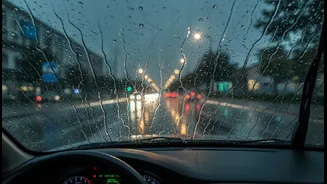
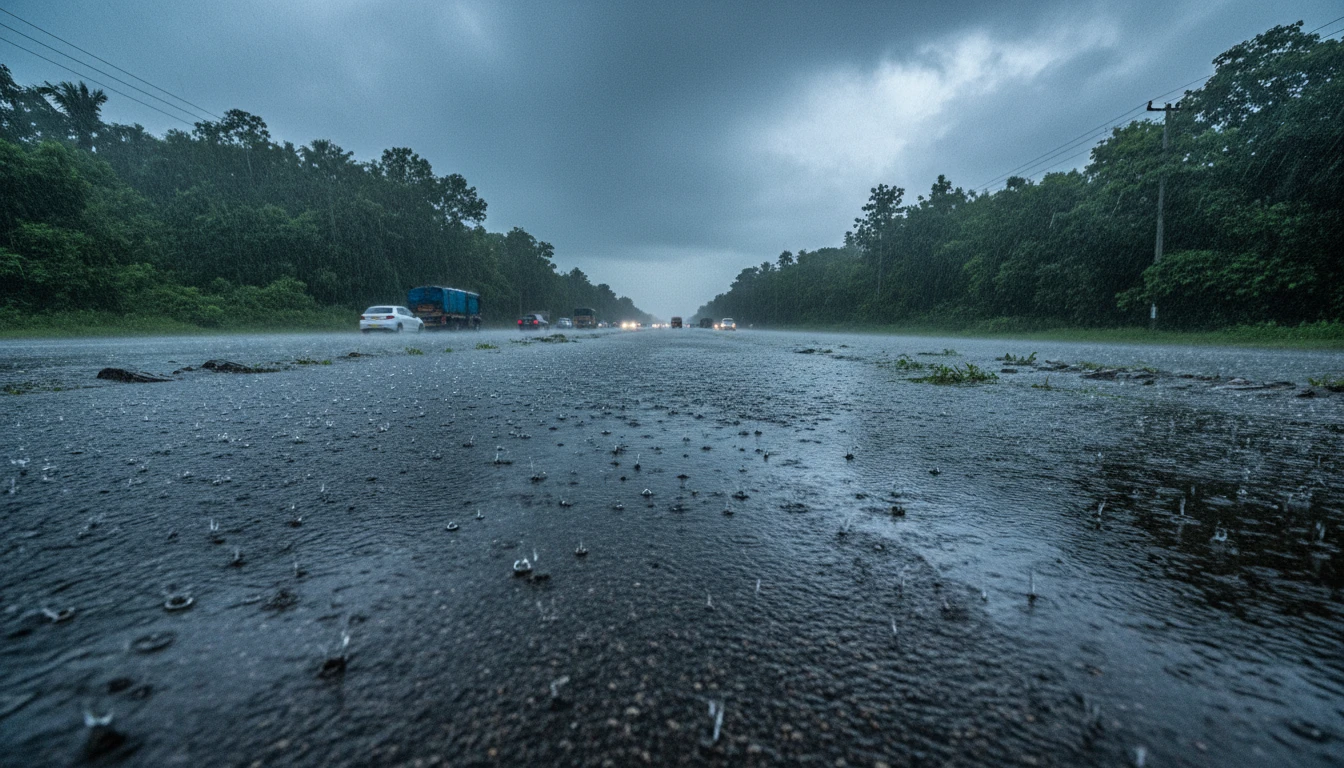
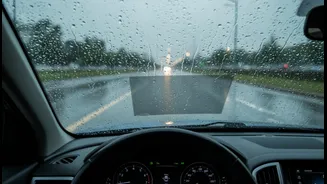
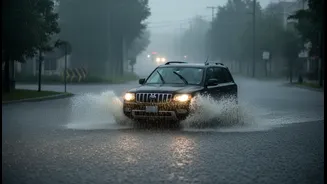
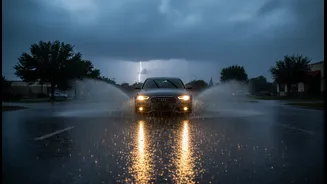
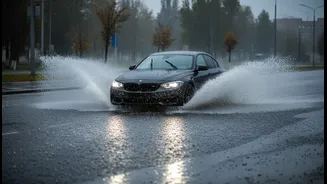
When driving a car, preparation is key. Ensure your tyres have adequate tread, your brakes are responsive, and your windscreen wipers are in good condition. Always drive with your low-beam headlights on during a downpour to improve visibility for yourself and others. High beams reflect off raindrops and can reduce visibility further. Reduce your speed by at least 25-30% and double your following distance from the vehicle ahead; wet roads can double your braking distance. If you approach a waterlogged street, do not attempt to cross if the water seems deeper than the bottom of your car's bumper, which is roughly ankle-deep. If you must proceed, stay in a low gear, keep the engine revving, and drive through slowly and steadily without stopping.
Don'ts for Drivers: Avoiding Common Mistakes
Never drive through a flooded underpass if you cannot see the road surface clearly all the way through; the water is always deepest in the middle. If your car stalls in water, do not try to restart the engine. Attempting to do so can cause water to enter the engine, leading to severe and expensive damage called hydrostatic lock. The best course of action is to turn off the ignition, put on your hazard lights, and if the water is rising, exit the vehicle and move to higher ground before calling for a tow service. Also, avoid sudden braking or sharp turns, as this can cause your vehicle to hydroplane, where your tyres lose contact with the road surface.
Do's for Two-Wheeler Riders: Staying Balanced and Visible
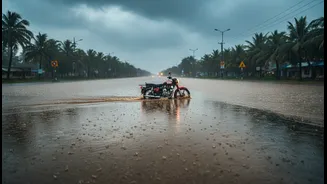
For motorcyclists and scooter riders, the monsoon requires extra skill and preparation. Before riding, check your tyre pressure and tread, ensure brakes are effective, and confirm all lights are working. Wet roads drastically reduce tyre grip, so ride smoothly and avoid any sudden acceleration, hard braking, or sharp turns. Maintain a lower speed and increase your following distance substantially. Consider investing in an anti-fog solution for your helmet visor and wearing reflective gear to make yourself more visible in low-light conditions. After a ride, it's good practice to clean and lubricate your bike's chain to prevent rust.
Don'ts for Two-Wheeler Riders: Key Risks to Avoid
Do not ride through large puddles. They can hide deep potholes or other debris that can unbalance your vehicle and cause an accident. If you cannot see the bottom, it is best to go around it. Riding on a flooded route is extremely risky as you cannot judge the water's depth or what lies beneath. Avoid braking hard, especially on painted road markings or metal surfaces like manhole covers, as they become incredibly slippery when wet. Do not tailgate larger vehicles like buses or trucks; not only does their spray reduce your visibility to zero, but you will also have no time to react if they brake suddenly.
Do's for Pedestrians: Walking Safely
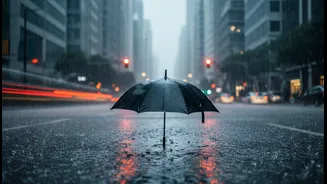
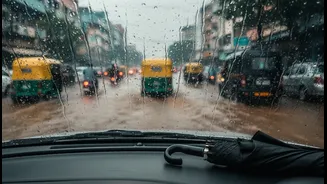
If you are walking, your biggest allies are sturdy footwear with good grip and heightened awareness. Walk slowly and carefully, and resist the urge to run across a wet street, as reduced visibility means drivers may not see you in time. Be extremely cautious of your surroundings. Watch out for open manholes, which become invisible death traps when submerged in water. Also, be wary of fallen electrical wires and avoid touching electric poles. If possible, avoid walking through stagnant water as it can hide uneven surfaces and other hazards.
Don'ts for Pedestrians: Hidden Dangers
Do not get distracted by your phone while walking in the rain; you need to be fully focused on the path ahead to spot submerged potholes or other dangers. Do not jaywalk, especially during a downpour. Stick to designated crossings where drivers are more likely to anticipate you. Avoid holding your umbrella too low as it can block your view of the road and traffic. Finally, never attempt to open a manhole cover to drain water. The suction from the inrush of water can be powerful enough to pull a person in, and it is illegal.