







The Currency of Trust
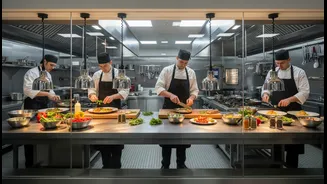
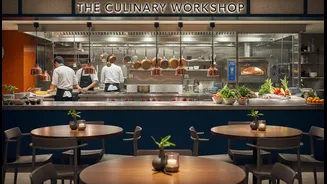
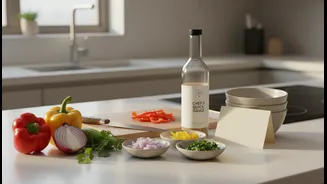
For today’s informed and health-conscious generation, seeing is believing. A closed kitchen door can breed uncertainty about hygiene, ingredient quality, and preparation methods. Open kitchens dismantle this barrier, offering a live demonstration of cleanliness
and care. This transparency builds immediate trust, a powerful currency in an age where consumers are more discerning than ever. When diners can witness the freshness of the produce and the meticulousness of the chefs, their confidence in the meal soars. This psychological reassurance, known as the reduction of uncertainty, makes the dining experience feel safer and more valuable. According to a report by District by Zomato, 61 percent of Indian diners value interactive elements like open kitchens and chef interactions, signalling a deep-seated desire for connection and transparency.
Dinner and a Show
Beyond trust, open kitchens transform a simple meal into a multisensory performance. The sizzle of the pan, the aroma of spices, and the visual flair of a chef expertly plating a dish become part of the entertainment. This concept of 'dining as theatre' turns chefs into performers and the kitchen into a stage. For a generation that prioritises experiences over mere consumption, this theatrical element is a significant draw. It adds a layer of excitement and engagement that a closed kitchen cannot offer. The dynamic environment creates a vibrant atmosphere, making the wait for food more enjoyable and building anticipation. This approach is particularly successful in formats like chef's tables, omakase counters, and artisanal bakeries where craftsmanship is central to the appeal.
Designing for the Digital Age
In the era of Instagram and food vlogging, a restaurant’s visual appeal is as crucial as its menu. Open kitchens are inherently photogenic and shareable. The action, the artful plating, and the direct interaction with chefs provide a steady stream of content for social media feeds. Young diners, who document and share their experiences online, are drawn to spaces that are visually compelling. Restaurateurs recognise this, designing spaces with 'Instagrammable' backdrops, from quirky neon signs to beautifully organised open pantries. This isn't just about aesthetics; it's a savvy business strategy that leverages user-generated content for organic marketing, building buzz and attracting a wider audience.
A Shift in Generational Values
Ultimately, the move towards open kitchens reflects a broader shift in the values of younger generations. Millennials and Gen Z crave authenticity, connection, and experiences that feel personal and real. They are moving away from the formal, impersonal dining rooms of the past towards spaces that foster a sense of community and interaction. This generation wants to know the story behind their food—where the ingredients come from, the philosophy of the chef, and the effort involved in its creation. An open kitchen provides a direct window into this narrative, creating a deeper emotional connection between the diner, the chef, and the brand. It aligns with a desire for mindful consumption, where understanding the process is as important as the final product.