


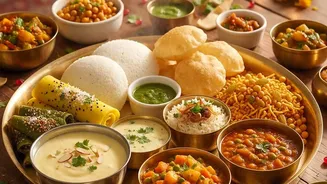

As winter arrives, our cravings shift towards warm, comforting foods. The good news is that eating well this season doesn't mean giving up flavour. A balanced plate filled with seasonal produce can be both delicious and deeply nourishing.
Why Eating Seasonally Matters
Following the
seasons is a cornerstone of traditional Indian food wisdom for good reason. During winter, our bodies require more energy to stay warm and our immune systems need extra support. Nature provides exactly what we need. Winter produce is often richer in flavour because the cold temperatures slow down the ripening process, making vegetables like carrots sweeter and leafy greens more robust. Eating seasonally means you're getting fresher, more nutrient-dense foods that are also often more affordable.
Embrace Hearty Root Vegetables
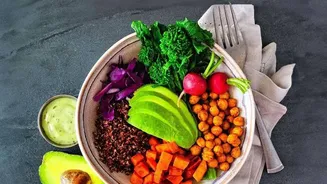
Winter is the season when root vegetables truly shine. Carrots, beetroot, radishes (mooli), sweet potatoes (shakarkandi), and turnips (shalgam) are abundant in local markets. These vegetables are packed with essential nutrients. Carrots are rich in beta-carotene, which the body converts to Vitamin A, crucial for good vision and healthy skin. Beetroot is loaded with antioxidants and helps improve blood flow, while sweet potatoes offer slow-releasing energy and fibre to keep you full longer. Roasting them brings out their natural sweetness, or you can add them to flavourful sabzis and stews.
The Power of Winter Greens
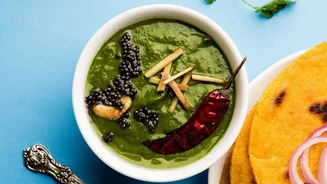
Indian winters bring a bounty of leafy greens like spinach (palak), fenugreek (methi), mustard greens (sarson), and bathua. These greens are nutritional powerhouses, loaded with iron, folate, and vitamins A and C that help fight fatigue and bolster your immune system. The iconic 'Sarson ka Saag' is more than just a delicious dish; it provides warmth and vital nutrients to combat the winter chill. Similarly, adding methi to parathas or palak to dal are easy ways to incorporate these superfoods into your daily meals.
Warm Up with Soups and Broths
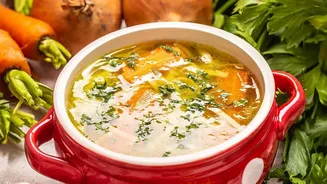
A warm bowl of soup is the ultimate winter comfort, and for good reason. Warm, cooked foods are easier for the body to digest, which means your system can absorb nutrients more efficiently. According to both modern and traditional medicine, warm meals help support gut health and maintain your body's internal temperature. An Indian-style tomato shorba, a light moong dal and spinach soup, or a mixed vegetable clear soup are all excellent choices. These dishes not only provide hydration but can also be packed with warming spices like ginger, cumin, and black pepper that aid digestion and improve circulation.
Immunity Boosting Winter Fruits
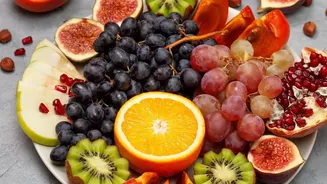
Don't forget about fruits when planning your winter plate. This is the peak season for citrus fruits like oranges and kinnow, which are bursting with immune supporting Vitamin C. Amla, or Indian gooseberry, has one of the highest concentrations of Vitamin C and is a traditional remedy for fending off seasonal infections. Pomegranates, apples, and guavas are also at their best during these months. They are rich in antioxidants and fibre, helping to protect your body from illness and supporting good digestive health.
Building Your Balanced Winter Thali
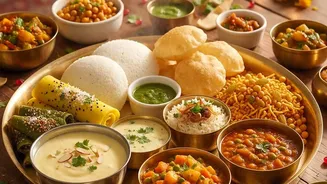
Creating a balanced plate is simple when you combine these seasonal heroes. Aim to fill half your plate with vegetables, like a portion of leafy greens and a root vegetable sabzi. A quarter of your plate should be dedicated to protein, such as dal, chole, paneer, or eggs. The final quarter can be a whole grain, like a bajra or whole wheat roti. A simple sample lunch could be two bajra rotis, a bowl of sarson ka saag, a side of dal, and a fresh radish salad. This combination ensures you get a mix of complex carbs, protein, vitamins, and fibre in one satisfying meal.