



The Disappearance of Diversity
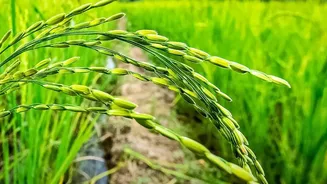
Not long ago, India was home to an astonishing diversity of rice, with estimates suggesting over 100,000 distinct varieties were cultivated across the country. Each was uniquely adapted to its local environment, from flood-prone river valleys to dry uplands.
The Green Revolution in the 1960s, while successful in increasing food production, prioritized high-yield, uniform hybrids. This push for monoculture led to thousands of traditional rice varieties vanishing from farms and markets, replaced by a handful of commercial strains that were dependent on chemical fertilizers and pesticides. This resulted in a loss of not just flavour and nutrition, but also agricultural biodiversity and climate resilience.
A Prescription for Better Health
A major driver of this revival is growing consumer awareness around health and nutrition. Unlike their polished counterparts, traditional rice varieties like red and black rice are often unpolished, retaining their bran and germ. This makes them richer in fibre, vitamins, minerals like iron and zinc, and antioxidants. Many of these heirloom grains, such as Kala Namak and Navara, have a lower glycemic index, meaning they release sugar into the bloodstream more slowly. This makes them a better option for managing blood sugar levels and for those focused on weight management. Some varieties, like Kala Namak, are packed with antioxidants called anthocyanins, which are linked to preventing heart disease and improving skin health.
Good for the Farmer, Good for the Planet
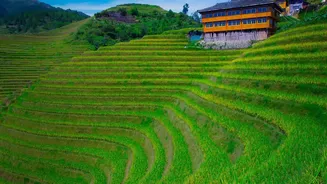
The benefits of this comeback extend beyond the dinner plate. For farmers, reverting to native seeds is a matter of both economic and ecological sense. These traditional varieties are naturally resilient and well-adapted to local conditions. For instance, Kagga rice in Karnataka can tolerate saline water, while Kerala’s Pokkali rice withstands flooding. This inherent hardiness means they often require fewer chemical inputs like pesticides and fertilizers, reducing the cost of cultivation and promoting more sustainable, organic farming practices. As climate change brings more unpredictable weather like droughts and floods, these climate-resilient grains are becoming a vital lifeline for small farmers.
A Taste of Heritage
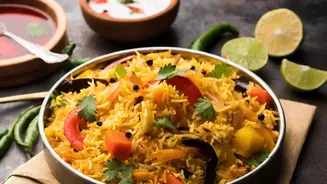
From Michelin-star chefs to home cooks, a renewed interest in culinary heritage is fueling demand. These grains are not just a homogenous staple; they are ingredients with distinct personalities. There's Gobindobhog from West Bengal, a short-grained, aromatic rice with a buttery flavour that earned a Geographical Indication (GI) tag in 2017. It’s the star of festive dishes like payesh and khichuri. Then there’s the famed Kala Namak, also known as 'Buddha Rice' due to its cultivation since the Buddhist period. This aromatic variety from Uttar Pradesh has a nutty taste and is now finding its way to export markets. By reintroducing these grains, chefs and consumers are rediscovering the diverse flavours of India.
The Guardians of the Grain
This revival is not happening by accident. It is the result of tireless work by a network of farmers, seed conservationists, and non-profit organizations. Individuals and communities across the country are creating seed banks and distribution networks to preserve and propagate these ancestral grains. In Wayanad, Kerala, farmers have been actively working with organizations like the M.S. Swaminathan Research Foundation to conserve dozens of local rice varieties. These grassroots efforts ensure that the genetic diversity and traditional knowledge associated with these crops are not lost forever, safeguarding a critical piece of India's agricultural heritage for the future.