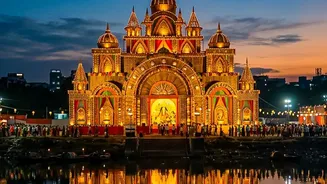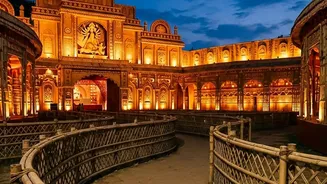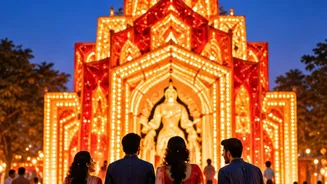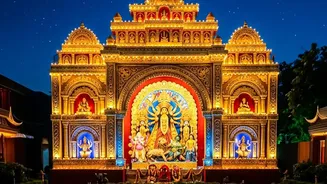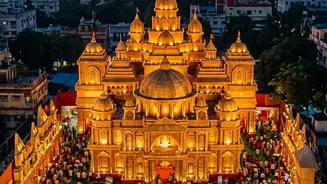




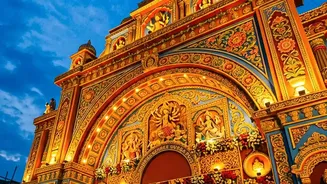

The sound of the dhaak echoes through Kolkata's lanes, but this year, it accompanies a quieter revolution. Durga Puja 2026 is a spectacle of devotion and artistry, now painted in shades of green, with sustainability at the heart of the celebration.
A Conscious Celebration Takes Root
As
millions of pandal-hoppers navigate the city's streets, a distinct theme emerges: a return to nature. This year, the grandeur of Durga Puja is not measured in synthetic glitz but in the thoughtful embrace of eco-conscious artistry. More than just a trend, this shift represents a collective awakening among puja committees, artisans, and devotees, who are championing a festival that honours both the goddess and the earth. The usual glitter and plastic have made way for the rustic charm of bamboo, the warm texture of jute, and the earthy tones of unbaked clay. This green transformation, visible in over 3,000 pandals across the city, is redefining the very essence of Kolkata’s most iconic festival, which UNESCO has recognised as an Intangible Cultural Heritage of Humanity.
Innovation in Every Fibre
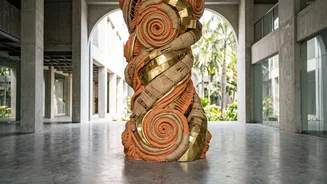
The move away from polluting materials like plaster of Paris and toxic paints has unleashed a wave of creativity. Artisans are now the pioneers of a sustainable movement, using everything from discarded clothes and mashed paper to thousands of terracotta pots to construct their masterpieces. At one South Kolkata pandal, a stunning idol of Maa Durga has been crafted from approximately 13,000 recycled plastic pens, transforming everyday waste into sacred art. Another committee has built its entire structure using discarded clothing, with a powerful message that nothing is truly waste. These initiatives are often supported by 'Green Puja' awards, some of which offer cash prizes up to ₹1 lakh, incentivising committees to adopt sustainable practices like energy-efficient lighting and responsible immersion.
Themes That Echo the Environment
The eco-friendly approach extends beyond materials and into the very narratives of the pandals. Many committees have chosen themes that highlight urgent environmental issues. One pandal raises awareness about river pollution by recreating the effects on the Hooghly, while another showcases the urban-rural conflict driven by urban sprawl. Some have created mini-forests within their pandals, using thousands of live plants to send a message about the importance of greenery and afforestation. These immersive experiences are designed to do more than just dazzle; they aim to educate and inspire action on topics like water conservation and the loss of natural habitats, turning the festival into a powerful platform for social commentary.
The Artisans and the Community
This green wave is being led by a generation of theme artists and puja committees who see environmental responsibility as a core part of their cultural duty. They are collaborating with social enterprises and local communities to source materials and execute their visions. For instance, one pandal made entirely of upcycled clothing was the result of a ten-month effort by a team of women, including Muslim artisans, who collected unwanted garments from 800 local families. This collaborative spirit fosters social cohesion and ensures that the festival's economic benefits reach a wider circle of artisans and workers. Initiatives like the 'Green Puja to Green Para' campaign aim to extend these efforts beyond the festival, encouraging neighbourhoods to adopt year-round sustainable practices.
A Legacy for the Future
The impact of this sustainable shift goes far beyond the five days of celebration. The focus on biodegradable materials means idols dissolve harmlessly in water, mitigating the pollution that has long plagued post-festival clean-ups. Puja committees are also implementing rigorous waste management systems, with dedicated volunteers and bins for segregating plastic waste, which is then sent for recycling. This conscious approach is not just about winning awards; it's about ensuring the longevity of a cherished tradition. By integrating sustainability into its heart, Kolkata's Durga Puja is not only preserving its cultural heritage but also setting a powerful example for festivals worldwide, proving that reverence for tradition and responsibility for the planet can go hand in hand.