






From Blanket Forecasts to Pinpoint Alerts
For decades, weather warnings were issued for large areas, like an entire state or a meteorological sub-division. This often left commuters and planners with a critical question: will the deluge hit my specific area or route? The IMD is now addressing
this by rolling out district-level and even block-level impact-based forecasts. Leveraging artificial intelligence, historical data, and a denser network of automatic weather stations, these new systems can predict not just if it will rain, but the potential impact—like waterlogging or traffic disruption—on a much smaller, more relevant scale. This shift from 'what the weather will be' to 'what the weather will do' is a fundamental change, providing actionable intelligence rather than just a general advisory.
Smarter Roads: Proactive, Not Reactive
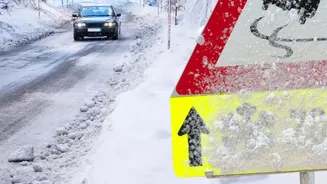
For road transport, particularly on national highways, these granular alerts are a game-changer. The National Highways Authority of India (NHAI) can use this specific information to move from a reactive to a proactive stance. Instead of just responding to a landslide or a flooded underpass, authorities can anticipate high-risk areas. Based on a district-specific 'orange' or 'red' alert, they can pre-deploy emergency equipment, position maintenance crews near vulnerable slopes, and prepare for traffic diversions before chaos ensues. In urban areas, these forecasts can help municipal corporations and traffic police manage waterlogging hotspots, issue timely travel advisories, and prevent the gridlock that paralyses cities during heavy downpours. The system has been particularly focused on regions in the monsoon core zone, which are most sensitive to rainfall dynamics.
Keeping the Lifeline Running: Railways on Alert
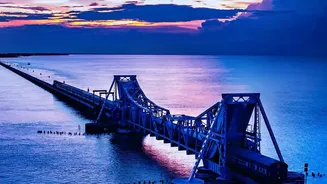
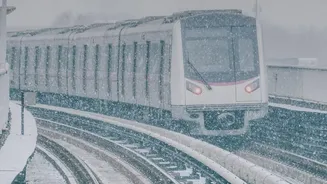
Indian Railways, the nation's lifeline, is another key beneficiary. Heavy rains pose significant risks, from inundated tracks to landslides in hilly sections. In coordination with the IMD, railway zones are increasingly using localized weather data to enhance safety. The Northeast Frontier Railway, for instance, is installing Automatic Weather Stations (AWS) in landslide-prone areas to get real-time data on rainfall and soil stability. This allows control rooms to make informed, proactive decisions. Based on specific warnings, they can enforce speed restrictions on certain routes, halt trains before they enter a high-risk section, or dispatch patrol teams to inspect track conditions. This integration of hyper-local weather intelligence into daily operations is crucial for minimizing disruptions and ensuring passenger safety during the tempestuous monsoon season.
The Roadblocks to Implementation
While the technology represents a major leap forward, its success hinges on effective implementation. The chain of command—from the IMD's forecast to the last-mile action by a local PWD engineer or railway station master—must be seamless. One of the biggest challenges is ensuring robust coordination between the IMD and the dozens of central, state, and municipal agencies responsible for infrastructure. Furthermore, the quality of the forecast itself depends on the density of the observational network. While states like Uttar Pradesh are seeing pilot projects with 1-km resolution thanks to a wide network of weather stations, replicating this across the country will require sustained investment in ground infrastructure. The ultimate test will be whether these advanced warnings consistently translate into smoother, safer journeys for the average person.