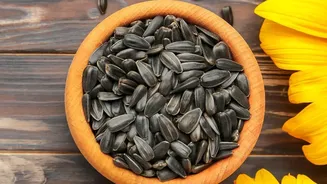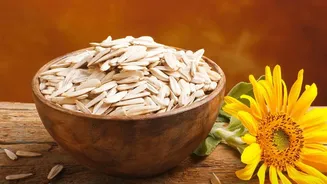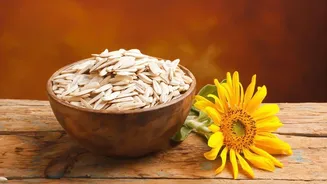





Sprinkling seeds on your morning meal has become a wellness staple, but not all seeds are created equal. Sunflower seeds are nutritional powerhouses, but their energy-dense nature means portion control is key to reaping their rewards.
A Tiny Nutritional Powerhouse
Don't be fooled by
their small size; sunflower seeds pack a significant nutritional punch. A standard serving is an excellent source of healthy fats, primarily polyunsaturated and monounsaturated fats, which are beneficial for heart health. They also provide a solid dose of plant-based protein and dietary fibre, a combination that promotes satiety and keeps you feeling full longer. Beyond the macronutrients, these seeds are loaded with essential vitamins and minerals. They are particularly famous for their high vitamin E content, a powerful antioxidant that protects your cells from damage. Additionally, you'll get a significant amount of selenium, magnesium, copper, and various B vitamins, all of which play crucial roles in everything from immune support to energy production.
The Energy-Dense Dilemma
The term 'energy-dense' is central to understanding sunflower seeds. It simply means they contain a high number of calories for their small volume. For instance, a single one-ounce (about a 1/4 cup or 30 grams) serving of shelled sunflower kernels contains around 165 to 175 calories. This can be a major advantage, providing a sustained source of fuel to power your morning. The combination of healthy fats, protein, and fibre releases energy slowly, preventing the sharp spikes and crashes associated with sugary breakfast options. However, this caloric density is also where the dilemma lies. It’s incredibly easy to go from a healthy sprinkle to a heavy pour, consuming hundreds of extra calories without realising it.
Finding The Perfect Portion
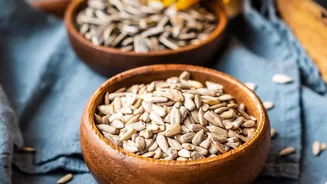
So, how many sunflower seeds should you eat? Most nutrition experts and health organisations agree that a standard serving size is about one ounce, which translates to roughly 1/4 cup or 2 tablespoons of shelled seeds. Sticking to this amount allows you to access all the nutritional benefits without derailing your daily calorie goals. This portion provides around 5.5 grams of protein and over 3 grams of fibre. Exceeding this amount regularly can lead to unwanted weight gain due to the high calorie and fat content. It is also wise to choose unsalted or lightly salted varieties to avoid excessive sodium intake, which can contribute to high blood pressure. Pre-portioning your seeds into small bags can be a helpful strategy to prevent mindless overeating.
Benefits Beyond The Morning Boost
While the sustained energy is a fantastic reason to add them to your breakfast, the benefits don't stop there. Regular, moderate consumption of sunflower seeds is linked to improved heart health, thanks to their ability to help lower cholesterol and blood pressure. The rich supply of vitamin E and other plant compounds like flavonoids offers potent anti-inflammatory effects, which may reduce the risk of several chronic diseases. Furthermore, some studies suggest that the nutrients in sunflower seeds can help with blood sugar regulation, making them a smart addition for many individuals looking to maintain stable glucose levels.
Smart Ways To Start Your Day
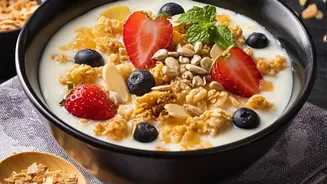
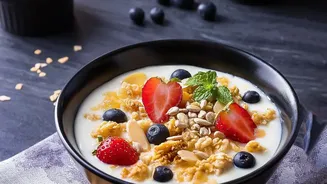
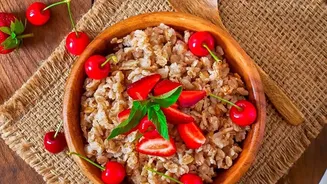
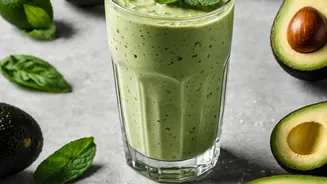
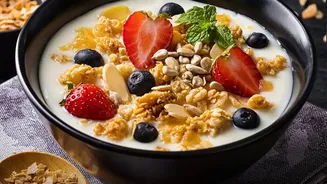
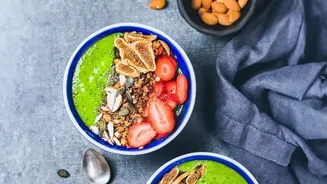
Incorporating your perfect portion of sunflower seeds into breakfast is easy and delicious. Their mild, nutty flavour complements a wide range of dishes. Try sprinkling a tablespoon or two over your oatmeal, yogurt, or smoothie bowl for a satisfying crunch. You can blend them into a smoothie for an extra dose of protein and a creamier texture. They are also a key ingredient in many homemade granola and energy bite recipes. For a savoury twist, you can even stir them into scrambled eggs for a surprising and pleasant texture. The key is to see them as a component of a balanced meal, not the main event.