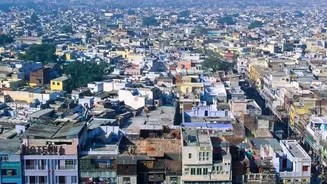






For decades, the story of Indian retail was written in the metros. But a quiet revolution is now underway, driven not by big city trends but by the powerful, changing aspirations of consumers in India's Tier 2 and Tier 3 cities.
The Rise of the ‘Bharat’ Consumer
The long-held image of
retail in smaller Indian cities—dominated by local kirana stores and a focus on basic necessities—is rapidly becoming outdated. A new consumer has emerged, often referred to as the 'Bharat' consumer. This individual is digitally connected, globally aware, and increasingly aspirational. They are no longer just passive recipients of whatever products reach their towns; they are actively discovering brands on social media, watching reviews on YouTube, and seeking quality and experiences that were once the exclusive domain of metro dwellers. This shift is not about simply mimicking metropolitan tastes. Instead, it’s a unique blend of valuing local culture while aspiring to global standards, forcing retailers to rethink one-size-fits-all strategies. This new consumer is confident, discerning, and, most importantly, willing to spend on products that align with their evolving lifestyle.
Digital Connectivity as the Great Equalizer
The single biggest catalyst for this transformation is the explosion of affordable data and smartphone penetration. With internet access now widespread in non-metro areas, the information gap that once separated urban and semi-urban consumers has all but vanished. Platforms like Instagram, YouTube, and various OTT services expose consumers in cities like Lucknow, Indore, and Coimbatore to the same trends, influencers, and brands as their counterparts in Delhi or Mumbai. This digital immersion has a direct impact on purchasing decisions. Recent data shows that a significant majority of consumers are influenced by social media and online promotions. The rise of direct-to-consumer (D2C) brands is a testament to this shift. These digitally native companies can now bypass traditional distribution hurdles and connect directly with customers, with reports indicating that Tier 2 and Tier 3 cities account for nearly two-thirds of all new D2C orders.
From Value to Valued: The Premiumisation Wave
A key feature of these changing aspirations is the move towards 'premiumisation'. This isn't necessarily about luxury, but about a willingness to pay more for better quality, enhanced features, and a stronger brand story. As disposable incomes rise in smaller cities, consumers are 'trading up'. They are shifting from unbranded commodities to packaged goods and from mass-market products to mid-premium and premium alternatives. This trend is visible across categories, from personal care and apparel to electronics and even groceries. Retailers have noticed. Premium FMCG brands are reportedly growing almost twice as fast as their mass-market counterparts, signaling a durable shift in consumer priorities. This desire for better products is often linked to a desire for better shopping experiences, moving beyond purely transactional purchases.
The Retailer’s Response: Phygital and Experiential
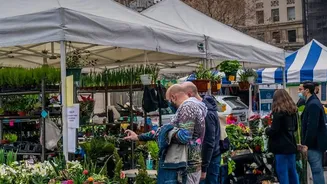
In response to this surge in demand, the retail landscape itself is being physically and digitally reshaped. National and international brands are aggressively expanding their physical footprint into these once underserved markets. Shopping malls are evolving from simple retail outlets into comprehensive lifestyle destinations, integrating dining, entertainment, and shopping to create a complete experience that aspirational consumers crave. Simultaneously, the line between online and offline retail is blurring. The most successful strategies are 'phygital'—leveraging a physical presence for experience and brand building while using digital channels for discovery, sales, and customer service. With e commerce transactions from non metro cities now accounting for over 60% of the total, retailers understand that a strong digital and logistics infrastructure is no longer optional, but essential for survival and growth.