






Why Humidity Is The Enemy Of Your Pantry
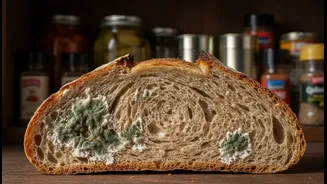
High humidity, often exceeding 80% during India's rainy season, is the primary culprit behind food spoilage. Grains and flours are hygroscopic, meaning they absorb moisture directly from the air. This excess moisture creates an ideal environment for mould
growth, bacterial contamination, and insect infestations. Pests like weevils and Indian meal moths breed much faster in warm, damp conditions, turning a minor issue into a major infestation in weeks. Even without pests, moisture can cause flour to clump, rice to develop a musty odour, and the nutritional value of your staples to degrade.
Spotting the Signs of Spoilage
Regular checks are your best defence. Don't wait until you're about to cook to discover a problem. Once a week, open your containers and use your senses. Look for clumping or caking in flours, which indicates moisture has seeped in. Any discolouration, such as dark spots, greyish tints, or a yellowish hue, is a red flag. Be wary of a sour, stale, or musty smell; fresh flour should smell neutral. For grains, look for a musty odour, stickiness, or signs of webbing, which is a tell-tale sign of pantry moths. Finally, look closely for the pests themselves—small beetles, larvae, or flying moths are clear indicators that the product is contaminated and should be discarded immediately.
Your First Line of Defence: Smart Storage
Proper storage is non-negotiable during humid months. The single most important step is to transfer grains and flours out of their original paper or plastic bags immediately after purchase. Invest in high-quality, airtight containers made of glass, food-grade BPA-free plastic, or stainless steel. A container is only truly airtight if its lid has a rubber or silicone gasket to create a proper seal. This barrier prevents moisture and pests from getting in. Store these containers in a cool, dark, and dry place, away from the stove and sink where steam and humidity are highest. Storing containers off the floor, ideally on shelves, also helps prevent moisture from seeping up.
Actionable Tips for a Pest-Free Pantry
Beyond airtight containers, a few extra habits can make a huge difference. First, consider buying smaller quantities more frequently during the monsoon to ensure items are used up quickly. Always follow the 'first in, first out' rule, using older stock before opening new packages. Before storing, some experts suggest lightly dry-roasting items like sooji (semolina) and poha (flattened rice) to remove any existing moisture and extend their shelf life. Another effective, though space-dependent, method is to freeze a new bag of flour or grains for at least four days to kill any insect eggs that might be present from the warehouse.
Traditional Indian Hacks That Actually Work
Many age-old Indian kitchen practices are scientifically sound ways to deter pests and absorb moisture. Placing a few dried bay leaves (tej patta) or neem leaves in your containers of rice and pulses is a highly effective natural repellent. The strong aroma of these leaves deters insects without affecting the food's taste. For flours, adding a few whole dried red chillies to the container works similarly. To combat moisture, you can place a small muslin pouch filled with rock salt inside your grain jars, as salt is a powerful natural desiccant. For sooji, adding a few whole cloves is a traditional method to keep bugs away.