


Water as a Strategic National Asset
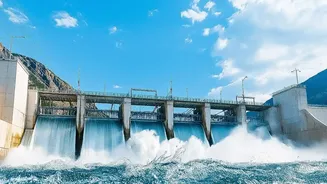
For any nation, water is life. For Iran, a country situated in an arid region and facing a severe, long-term water crisis, it is a critical strategic commodity. Decades of drought, mismanagement, and rising demand have depleted groundwater reserves and increased
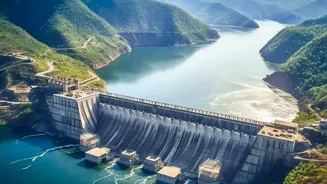
the country's reliance on its vast network of dams for everything from agriculture to drinking water. This makes water infrastructure not just a civilian concern, but a cornerstone of national security. The United Nations has classified Iran as being in a state of 'absolute water scarcity', a situation that heightens domestic tensions and shapes its geopolitical relationships, particularly with neighbors like Afghanistan and Iraq.
The Dam and Missile Site Connection
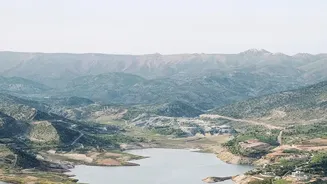
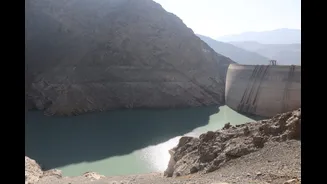
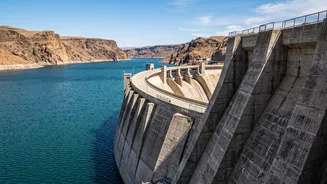
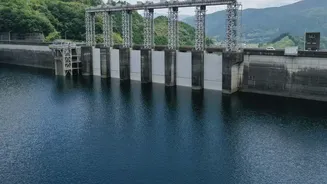
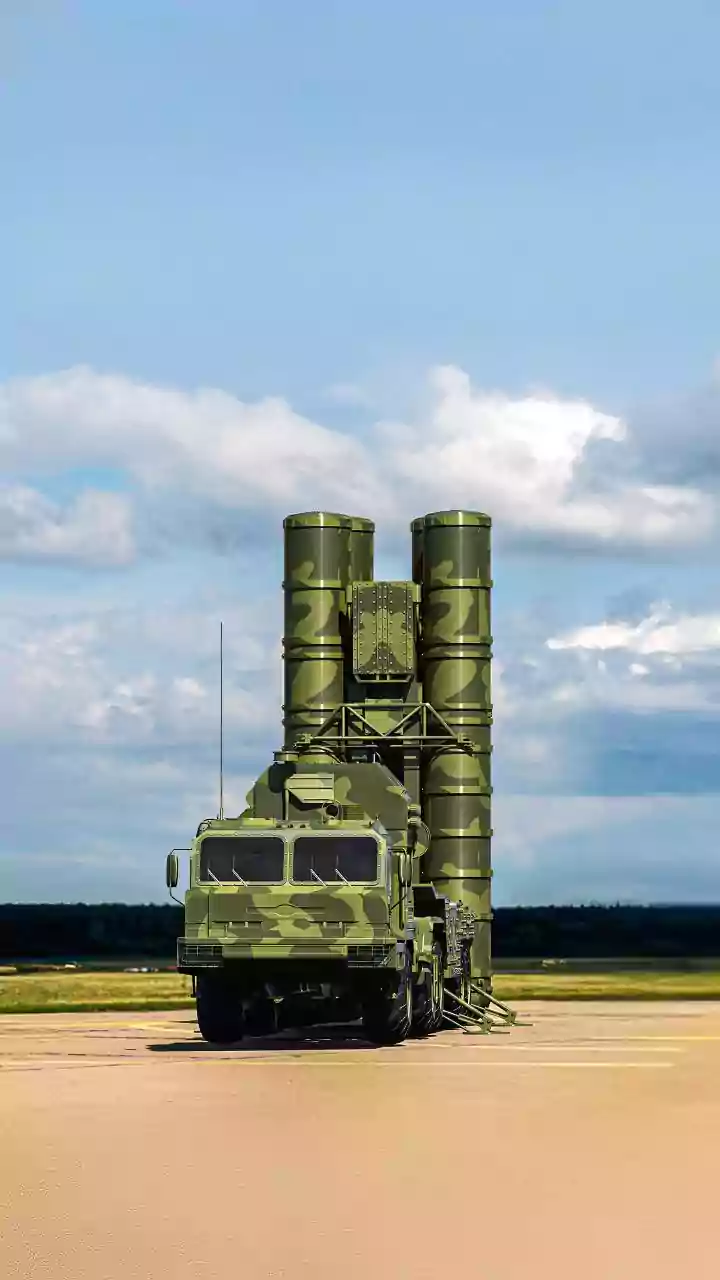
Recent analysis, highlighted in a New York Times report, has pointed to a curious overlap between the locations of many of Iran's 533 dams and its sensitive military installations, including underground 'missile cities'. Experts interviewed for the report speculate that this proximity might not be coincidental. Large, deep underground military complexes require immense and reliable sources of water and electricity to maintain 'operational continuity' independent of the national grid. Analysts suggest that certain dam and water-transfer projects, some with unclear civilian justifications, could be intended to provide these dedicated resources, effectively making them dual-use infrastructure. This theory gained traction after analysts noticed that the pattern of recent US-Israeli airstrikes on suspected military targets seemed to mirror the map of Iran's dams.
A Dual-Use Dilemma
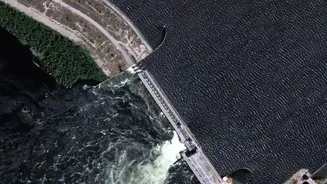
The suggestion that civilian dams might serve a military purpose creates a complex strategic dilemma. On one hand, co-locating these assets makes logistical sense for Iran, ensuring its critical defense infrastructure is self-sufficient. On the other hand, it turns vital civilian resources into potential military targets. International humanitarian law generally protects civilian infrastructure, but the designation of a facility as 'dual-use' can change the calculus in a conflict. An attack on a dam could have catastrophic consequences, not only crippling a military base but also causing massive downstream flooding and cutting off water for millions of civilians. This weaponization of water, whether intentional or as collateral damage, has become a feature of modern conflict in the Middle East.
An Escalating War of Words
The analysis has already provoked a sharp response from Tehran. Iran's Parliament Speaker, Mohammad Bagher Ghalibaf, dismissed the report as a pretext for justifying future attacks on civilian sites. In a pointed warning, he stated that if the logic of 'dual-use' is applied to Iran's dams, then Iran would apply the same logic to any dam, port, or power plant located near an American or Israeli military base. This heated rhetoric raises the stakes significantly, threatening to broaden the scope of conflict to include infrastructure that is fundamental to civilian life across the entire region. Critics of the analysis warn that even speculating about a military link endangers civilian lives by potentially legitimizing such attacks.
A Landscape of Vulnerability
Ultimately, the discussion around Iran's dams and military sites underscores a deeper truth about the region's geography and politics. Water is a source of immense vulnerability. For Iran's neighbors in the Gulf, many of whom rely almost entirely on a small number of desalination plants for their fresh water, the threat of attacks on this infrastructure is an existential one. A 2010 declassified CIA assessment identified Iran as the greatest threat to the region's desalination facilities, noting that the area's water supply depends on just 56 plants. In this context, the focus on Iran's own water infrastructure reveals how both sides in a conflict view this essential resource as a potential pressure point, a tool for coercion, and a target in a wider strategic game.