



Cat-Cow is a foundational yoga flow, but its true power lies not in the poses themselves, but in the seamless transition between them. Mastering this fluid movement can transform the stretch from a simple warm-up into a mindful, restorative practice.
The Essence of Cat-Cow
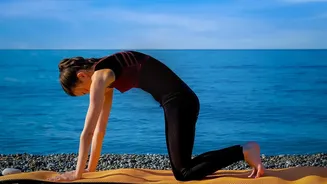
The Cat-Cow stretch, known in Sanskrit as Marjaryasana-Bitilasana, is a dynamic sequence that moves the spine from a rounded position (flexion) to an arched one (extension). Typically performed on all fours in a tabletop position, it is prized for its ability to gently warm up the body, improve spinal flexibility, and relieve tension in the back, neck, and shoulders. The flow is a staple in many yoga classes, used to prepare the body for more complex movements. Beyond the physical, it helps calm the mind and enhance body awareness by linking physical motion with conscious breathing.
Let Your Breath Guide the Way
The secret to a smooth Cat-Cow is allowing the breath to initiate and guide every movement. Instead of moving your spine and then breathing, do the opposite. Begin with a full inhalation as you move into Cow Pose, then a complete exhalation as you round into Cat Pose. The rhythm should be slow and deliberate. Typically, the inhale is paired with expansion and arching (Cow), as you fill the lungs and open the chest. The exhale is paired with contraction and rounding (Cat), as you empty the lungs and draw the navel toward the spine. This synchronisation turns the physical exercise into a moving meditation, helping to calm the nervous system.
Initiate Movement From the Pelvis
A common mistake is to lead the movement with the head and neck, which can create a jerky, disjointed motion and strain the cervical spine. For a more fluid, wavelike action, the movement should originate from your pelvis and tailbone. To move into Cow Pose, start by tilting your pelvis forward, letting the imaginary water in the bowl of your pelvis spill out the front. Allow this action to ripple up your spine, vertebra by vertebra, until your chest opens and your gaze lifts last. To transition to Cat, initiate by tucking your tailbone under, letting the wave travel up to your upper back as you press the floor away and finally release your head down.
Common Mistakes to Avoid
To get the most out of your practice, be mindful of a few common errors. Avoid moving too quickly; the goal is mindful articulation, not speed. Keep your shoulders relaxed and drawn away from your ears to prevent tension in the upper body. It’s also important not to crane or crunch the neck when looking up in Cow Pose; keep the back of the neck long. Finally, ensure your arms remain relatively stable, with a soft bend in the elbows, so the movement is focused in the spine, not the arms or shoulders. The motion should feel gentle and pleasant, not forced.
Modifications for Every Body
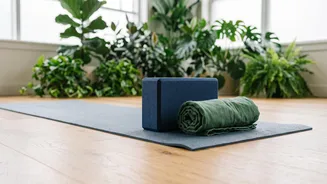
Cat-Cow should be accessible and comfortable. If you have sensitive knees, place a folded blanket or cushion underneath them for extra padding. For wrist discomfort, you can make fists and rest on your knuckles, or use yoga blocks under your hands to lessen the angle. If being on all fours is not an option, you can perform the entire sequence while seated in a chair. Simply place your hands on your knees and follow the same principles of inhaling to arch your spine forward and exhaling to round it back. This variation provides the same spinal benefits without putting pressure on the wrists and knees.