






What Sparked the City-Wide Inspections?
This isn't a routine check. The Karnataka Health and Family Welfare Department deployed 30 special teams from the Food Safety and Drug Administration (FSDA) after receiving numerous public complaints about poor food quality and hygiene. The drive, which
began in early August 2026, aims to ensure that all food businesses comply with the Food Safety and Standards Act, 2006. The crackdown has been extensive, covering everything from five-star hotels and international fast-food chains to government canteens, roadside eateries, and even the warehouses of quick-commerce platforms.
The Inspector's Checklist: What Are They Looking For?
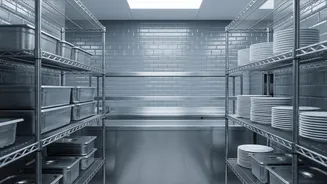
When inspectors walk into a kitchen, they have a detailed checklist designed to catch any deviation from safety norms. A major focus is on the ingredients themselves. Officials have been checking for expired products like milk, meat, and cereals, seizing hundreds of kilograms of unsafe food. They also scrutinise storage practices, looking for the improper mixing of vegetarian and non-vegetarian items, fungal growth on vegetables, and refrigerators not maintaining correct temperatures. The physical condition of the kitchen is paramount, with inspectors checking for clean floors and ceilings, effective pest control, and proper drainage. Even the cooking oil is under review, with rules against excessive reuse to prevent the formation of harmful compounds.
Beyond the Kitchen: Staff Hygiene and Paperwork
Food safety extends to the people handling the food. Inspectors are verifying that kitchen staff have medical fitness certificates and are following personal hygiene protocols like wearing hairnets and gloves. They also check for mandatory paperwork, such as a valid FSSAI license, which should be prominently displayed, and records for the disposal of used cooking oil for larger establishments. Mislabelling is another critical violation, where products are found with extended expiry dates or missing essential information like batch numbers. Food and water samples are frequently collected and sent to labs for analysis to detect bacteria or other contaminants.
The Consequences of Failing a Hygiene Check
The penalties for non-compliance are tiered based on the severity of the violations. For minor issues, an establishment might receive a warning notice and a deadline to rectify the problems. However, significant lapses lead to on-the-spot fines. In more serious cases, where expired food or extremely unhygienic conditions are found, officials have the authority to seize and destroy the unsafe products. For repeat offenders or critical violations, authorities can suspend or cancel the restaurant's license and, in some instances, seal the premises entirely. This enforcement sends a clear message that compromising public health will not be tolerated.
How Diners Can Stay Informed
While these official drives are crucial, consumers also have tools at their disposal. The FSSAI has a voluntary 'Hygiene Rating Scheme' where restaurants can be rated from one to five stars based on their compliance with safety standards. These ratings are meant to be displayed at the establishment, allowing customers to make an informed choice. The recent inspections have found strong public support for making these ratings mandatory and easily visible on food delivery apps. By paying attention to these ratings and reporting any concerns, diners can play an active role in upholding the city's food safety standards.