






An Ancient Spectacle Explained
Before we unpack its modern appeal, let’s understand what a Cham dance is. Performed in the courtyards of monasteries across Ladakh, Sikkim, Himachal, and other Himalayan regions, Cham is a sacred masked dance. It is not entertainment; it is a form of religious
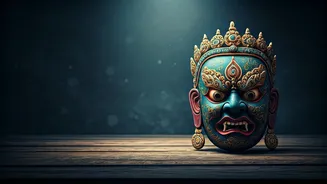
meditation and a powerful storytelling medium. The dancers, who are typically monks, don elaborate, often fearsome-looking masks and vibrant brocade costumes to embody various deities, demons, and protector spirits from Tibetan Buddhist lore. Accompanied by the deep resonance of long horns, clashing cymbals, and rhythmic drums, their movements are highly stylised, retelling myths of good triumphing over evil or illustrating moral teachings.
A Search for Authentic Experience
One of the primary reasons for this connection lies in the search for authenticity. For a generation raised on curated digital feeds and fleeting virtual trends, the raw, unfiltered reality of a Cham performance is magnetic. There is no filter, no 'skip ad' button, no algorithm optimising your experience. It's a live, communal event that has unfolded in much the same way for centuries. The air is cold, the sound is loud and sometimes dissonant, and the sight of a 10-foot-tall masked deity dancing just metres away is visceral and unforgettable. This sensory immersion offers a powerful antidote to the detached nature of screen-based living, grounding viewers firmly in the present moment.
Visual Grandeur Beyond the Screen
While modern youth are accustomed to high-production CGI, the handcrafted artistry of Cham offers a different kind of visual feast. The masks themselves are masterpieces of spiritual art, each detail imbued with symbolic meaning. The intense colours of the costumes against the stark, majestic backdrop of the Himalayas create a spectacle that no green screen can replicate. For many young people, especially those interested in art, design, and photography, the sheer aesthetic power of the dance is a major draw. It's a living museum, a dynamic art installation, and a spiritual ceremony all at once, providing endless inspiration and a deep appreciation for tangible, human-made beauty.
Finding Meaning in Myth
Beneath the surface spectacle, Cham dances deal with profound themes: the battle between compassion and ignorance, the nature of the mind, and the inevitability of death and rebirth. In a secularised and often cynical world, these ancient narratives provide a framework for exploring life's big questions. The clear moral lines—the triumph of wisdom and good over chaos and evil—can feel both comforting and clarifying. For young people navigating the complexities and ambiguities of modern life, the symbolic language of Cham offers a form of spiritual inquiry that feels more rooted and meaningful than the transient discourse of social media.
Connecting to Roots and Community
For youth from Himalayan communities, the renewed interest in Cham is also a way of reconnecting with their cultural heritage. In the face of globalisation, participating in or watching these festivals becomes an act of cultural preservation and pride. But the appeal extends to young visitors and travellers from across India and the world. Witnessing a Cham dance is a communal experience. You are not watching it alone on a laptop; you are part of a crowd, sharing gasps of awe and moments of quiet reflection. This shared experience fosters a sense of connection—to the past, to the place, and to the people around you—that is increasingly rare in our individualised society.