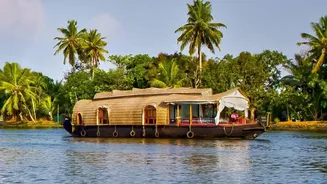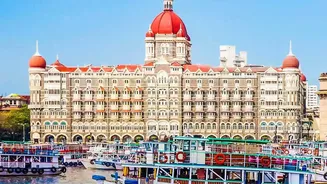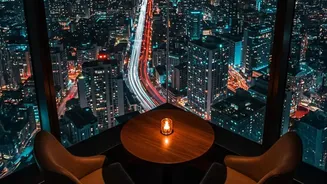







The urge to escape the city is stronger than ever, but long holidays feel like a luxury. Enter the 'micro-vacation,' a short, restorative trip that's reshaping travel. Here’s why boutique hotels are perfectly placed to capture this growing trend.
The Rise of the Micro-Vacation
The traditional
annual vacation is no longer the only way Indians travel. A new pattern has emerged: the 'micro-vacation'. These are short, frequent trips, typically lasting one to four days, designed to provide a quick escape from the daily grind. Driven by urban burnout and a desire for regular mental resets, travellers are swapping one long holiday for multiple mini-breaks spread throughout the year. This shift is especially pronounced among young professionals in metro cities. Data shows a significant rise in spontaneous, last-minute trips booked within a few days of travel, often turning a regular weekend into a three-day getaway thanks to flexible work schedules. This isn't just about saving leave days; it's a fundamental change in lifestyle, where travel has become a regular habit rather than a once-a-year event.
A Strategic Cure for Urban Burnout
The demanding nature of modern city life is a key driver behind this trend. Professionals are actively seeking silence, nature, and a break from digital notifications to combat mental exhaustion. Micro-vacations serve as an accessible emotional reset. The rise of hybrid and remote work has been a major catalyst, giving people the flexibility to extend a weekend without dipping into their limited leave balance. Furthermore, improved infrastructure, like new expressways, has made road trips easier and more appealing, putting scenic destinations within a four-to-six-hour drive from major hubs like Delhi, Mumbai, and Bengaluru. This convenience allows for the spontaneity that defines the micro-vacation trend, making a quick trip to the hills or the coast a feasible reality.
The Unique Appeal of Boutique Hotels
While all hotels benefit from a travel boom, boutique properties are uniquely positioned to capture the micro-vacation market. Unlike large, standardized hotel chains, boutique hotels offer character, personality, and a sense of place. This resonates deeply with modern travellers, who crave unique and authentic experiences over generic stays. With a smaller number of rooms, these hotels provide a more intimate and exclusive atmosphere, along with personalized service that makes guests feel valued. Staff are often more attentive, curating local experiences and adding personal touches that transform a short stay into a memorable one. This focus on a high-quality, curated experience aligns perfectly with what micro-vacationers are looking for: a meaningful escape, not just a bed for the night.
Location, Location, Accessibility
A crucial factor in this trend is geography. Boutique hotels are often situated in prime locations that are both scenic and accessible from major cities. Think of heritage properties in the Aravallis near Delhi, vineyard stays near Nashik, or serene resorts in the Western Ghats, a short drive from Mumbai and Pune. Destinations like Lonavala, Coorg, Rishikesh, and Pondicherry are booming because they offer a complete change of scenery without the logistical hassle of flights. Travellers can decide on a Friday to escape the city and be relaxing in a unique environment by the evening. This proximity is a powerful advantage, catering directly to the impulsendriven nature of short getaways.
An Economy of Experience and Authenticity
Ultimately, the surge in microstvacations is fuelled by a desire for experiences over possessions. Travellers are willing to spend more on quality, even for a short trip, seeking out properties that offer more than just accommodation. Boutique hotels excel at selling a narrative—be it one of heritage, wellness, culinary discovery, or architectural design. They provide the distinct, 'Instagrammable' moments that many travellers seek, turning a simple weekend into a story worth sharing. This allows them to command premium rates, tapping into a market segment that values authenticity and is willing to pay for it. For boutique owners, this trend isn't just about higher occupancy; it’s about attracting a clientele that appreciates the unique value they offer, ensuring a resilient and profitable business model for the future.