








The Chandrayaan-3 Liftoff Effect
The defining moment was, without a doubt, the successful landing of Chandrayaan-3 on the lunar south pole in August 2023. The collective roar of celebration that echoed across the nation did more than just mark a historic scientific achievement; it ignited
a spark in the minds of millions of young Indians. For the first time for many in Gen Z, a national accomplishment in science and technology was a primetime, edge-of-your-seat event. It was India’s ‘Apollo moment’ for a new generation. Educational counsellors and university admission departments report a tangible shift. Queries about aerospace engineering, astrophysics, and related fields surged. The success of ISRO’s missions, including the Aditya-L1 solar observatory, transformed the space agency from a respected government institution into a source of national inspiration and, crucially, a viable and exciting career destination.
Beyond ISRO: A New Cosmic Ecosystem
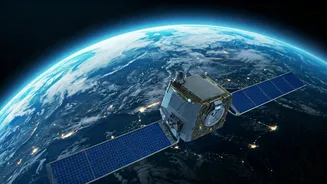
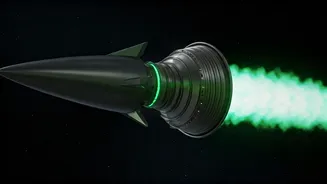
For decades, a career in space in India meant one thing: securing a coveted position at the Indian Space Research Organisation (ISRO). While that remains a prestigious goal, the landscape has fundamentally changed. The government’s decision to open up the space sector to private players has created a vibrant new ecosystem. The establishment of IN-SPACe (Indian National Space Promotion and Authorization Center) as a single-window agency to facilitate private participation has been a game-changer. Suddenly, the field is not just about research and exploration; it’s about entrepreneurship and innovation. The number of space-tech startups in India has skyrocketed, growing from a handful to over 150 in just a few years. Companies like Skyroot Aerospace and Agnikul Cosmos, which are building their own rockets, are becoming household names and, more importantly, future employers. This diversification offers students a variety of career paths, from launch vehicle design to satellite manufacturing and data analytics.
Universities Pivot to the Stars
India's educational institutions are responding to this new demand. Premier institutes like the IITs and IISc, long-time feeders for ISRO, are seeing record-high cutoffs and application numbers for their aerospace programmes. But the interest is trickling down to a wider range of universities and engineering colleges, many of which are now introducing specialised courses, B.Tech degrees in aerospace, and M.Tech programmes focused on niche areas like satellite technology and rocketry. There's also a growing emphasis on practical, hands-on experience. Many universities now support student-led satellite projects, where undergraduates and postgraduates get to design, build, and sometimes even launch their own small satellites. This project-based learning is invaluable, turning textbook knowledge into real-world engineering skills and making students industry-ready from day one.
From Interest to Action
The newfound enthusiasm is not just academic. It’s visible in the explosion of space-themed hackathons, workshops, and student clubs across the country. Organisations are fostering this interest by creating platforms for students to collaborate and innovate. These events provide a crucial bridge between academia and industry, allowing students to tackle real-world problems set by companies and ISRO itself. This hands-on engagement demystifies the sector. It shows students that they don't have to wait for a degree to start contributing. They can be part of a team building a rover, writing code for a satellite command, or designing a component for a rocket. This active participation is turning passive admiration into an active pursuit of a career, creating a robust talent pipeline that will fuel the sector for decades to come.