
Why We’re Embracing the Curve
After years of minimalist, often rigid, furniture dominating modern homes, there's a collective desire for spaces that prioritise comfort over pure formalism. This fundamental shift is one of the main drivers behind the curved furniture trend that has
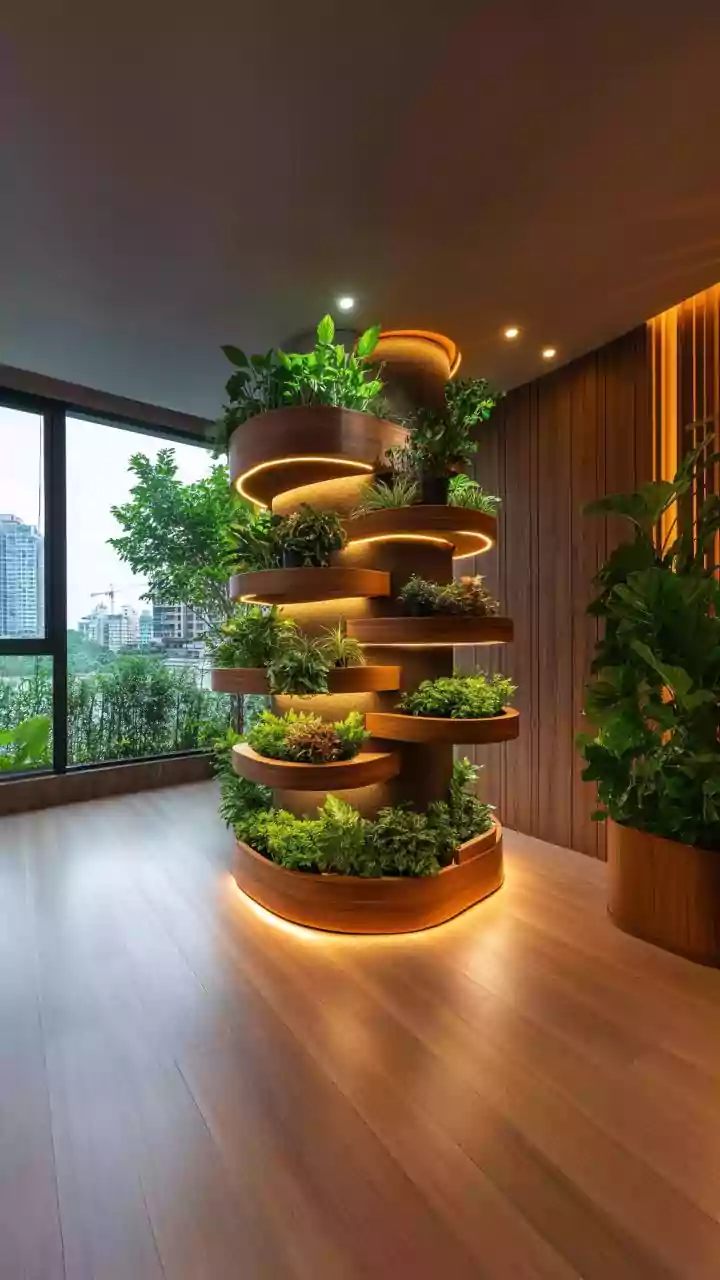
taken hold in India. It's a move away from furniture designed for status and towards pieces that feel genuinely comforting and cocooning. This trend also aligns with the principles of biophilic design, which seeks to connect our indoor spaces with the organic, flowing forms of the natural world. In nature, sharp right angles are rare; curves are everywhere, from rolling hills to smooth stones. By bringing these shapes indoors, we create a more harmonious and less stressful environment.
The Soothing Psychology of Soft Edges
The appeal of curves isn't just aesthetic; it's psychological. Research in neuroscience and environmental psychology shows that the human brain is wired to prefer curved lines over sharp angles. Angular shapes can be subconsciously perceived as threatening, triggering a mild alert response in our brains, while rounded forms are associated with safety, calm, and relaxation. A curved sofa, for example, feels more enveloping and can make a conversation area feel more intimate and inclusive. Unlike a straight sofa where people sit in a line, a curved arrangement naturally encourages people to face each other, fostering connection. In essence, introducing curves is a way to make our homes feel like a sanctuary from the hard-edged demands of the outside world.
Making Curves Work in the Indian Home
The curved furniture trend is particularly well-suited to Indian homes, including compact urban apartments. In smaller spaces, the absence of sharp corners can improve visual flow and make moving around furniture feel easier and more fluid. A round coffee table, for instance, is less of a physical obstacle than a rectangular one. The trend also works beautifully when blended with traditional Indian decor, where it can soften the lines of heavy, ornate wooden furniture and create a balanced, contemporary look. Designers note that the key is not to fill a room entirely with curves, but to use them strategically to break the stiffness of a space and create an intriguing contrast between straight and rounded forms.
How to Get Started with the Trend
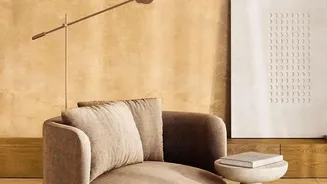
You don't need a complete home makeover to embrace this softer silhouette. The easiest way to start is with smaller accent pieces. Consider replacing a rectangular mirror with an arched or circular one. A single curved accent chair, like a classic tub chair, can immediately introduce the trend and soften a corner. Ottomans and pouffes in round or pebble shapes are also a great, low-commitment option. Another simple yet effective swap is the coffee table; an oval or round table can instantly change the rhythm of a living room, making the seating area feel more open and inviting.
The Statement Piece: The Curved Sofa
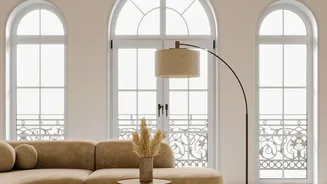
If you're ready to make a bigger commitment, the curved sofa is the hero piece of this trend. Serving as an instant focal point, its sculptural form can feel like a piece of art in itself. These sofas work beautifully when floated in the middle of a larger room, helping to define a conversational zone. When choosing a curved sofa, consider the fabric. Soft, textural materials like bouclé, chenille, or velvet enhance the soft, inviting nature of the shape. While vibrant colours can make a bold statement, neutral shades like beige or grey allow the beauty of the furniture's form to take centre stage.