



The Post-Pandemic Thirst for Connection
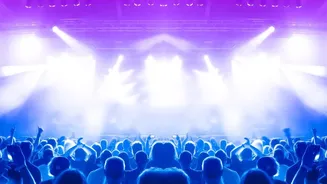
After years of lockdowns and digital isolation, there's a palpable hunger for real-world, collective experiences. The live events industry, which faced unprecedented challenges, has rebounded with astonishing force. Industry experts note a distinct shift
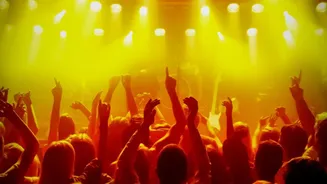
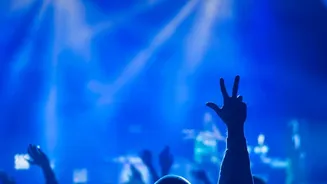
in consumer behaviour, especially among Gen Z, from a fear of missing out (FOMO) online to a 'you only live once' (YOLO) attitude that prioritises tangible moments. This isn't just about seeing a favourite artist; it's about sharing a physical space and a collective emotion with thousands of others, a stark contrast to the solitary consumption of music through headphones. This craving for connection is a primary driver, turning concerts into essential social and cultural engagements.
From Niche Interest to Economic Powerhouse
India's live events segment is no longer a fringe market; it's a booming economic engine. Reports from 2024 valued the organised live event sector at over ₹12,000 crore, with projections showing impressive growth in the coming years. This surge is fuelled by a young population with rising disposable incomes and a growing appetite for world-class entertainment. A 2024 study found that over 70% of Gen Z and millennials in major cities had attended at least one ticketed live event in the past year. This economic muscle has attracted global festival brands like Lollapalooza and a steady stream of international superstars, from Ed Sheeran to Coldplay, who now see India as a primary tour destination, not just an occasional stop. The success of these events creates a ripple effect, boosting tourism, hospitality, and local retail in host cities.
The Social Media Spectacle
A concert today begins long before the first note is played and lives on long after the encore. It starts with online buzz and ticket-buying frenzy, amplified across social media. For many young attendees, the experience is inseparable from documenting and sharing it. A concert is not just something you attend; it’s content you create and a statement you make. Some analysts suggest that a significant portion of the crowd is there to post on social media, using the event as a backdrop for their digital lives. While this raises questions about being 'in the moment', it undeniably fuels the hype cycle. The shimmering wristbands of a Coldplay show or the iconic Ferris wheel at a festival become powerful, instantly recognisable visual assets for one's personal brand online.
More Than Just the Music
The definition of a 'music festival' has expanded dramatically. Organisers understand they are selling an all-encompassing experience, not just a lineup of artists. Major festivals like NH7 Weekender, which started in 2010, have evolved from pure music events to multi-genre cultural gatherings that include comedy, art installations, and curated food experiences. Lollapalooza India attendees cite the overall atmosphere, the sense of community, and the discovery of new things as key reasons for going. Brands have tapped into this, creating immersive on-ground activations that become part of the festival landscape. This evolution means the ticket price covers more than just access to a stage; it's a pass to a temporary, vibrant cultural ecosystem.
The Rise of the 'Event Tourist'
The growing scale and appeal of live events have given rise to a new phenomenon: the event tourist. Young fans are increasingly willing to travel across cities and states, planning entire trips around a single concert or festival. One report noted that over 5.6 lakh people travelled for music concerts in 2025 alone. For every ₹100 spent on a concert ticket, an estimated ₹585 is spent on associated costs like travel, accommodation, and food. This willingness to travel and spend highlights how deeply these events are valued. Students and young professionals are budgeting carefully and saving up for what they consider a 'once-in-a-lifetime' experience, choosing to invest in memories over material goods.