




Swap Zion for Capitol Reef National Park, Utah
Zion National Park is magnificent, but its main canyon has become so congested that access is often restricted by a mandatory shuttle system. For a similar dose of Utah's dramatic red rock country without the gridlock, head to Capitol Reef. Located in south-central
Utah, this park is defined by the Waterpocket Fold, a nearly 100-mile-long warp in the earth's crust. You'll find towering cliffs, massive domes, and stunning canyons that rival Zion's but with a fraction of the visitors. You can drive the park’s scenic road at your own pace, hike to petroglyph panels, and even pick fruit in the historic orchards of the Fruita district, a remnant of a pioneer settlement. It offers a more serene and personal connection to the desert landscape.
Swap Yosemite for Kings Canyon & Sequoia National Parks, California
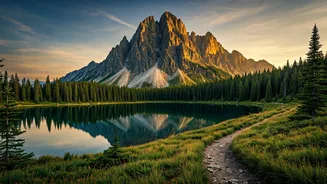
Yosemite Valley is a natural cathedral, but finding peace there during peak season can feel impossible. Just a few hours south, the tandem parks of Kings Canyon and Sequoia offer similarly epic Sierra Nevada grandeur. While Sequoia is home to the world's largest trees (by volume), drawing its own crowds to the General Sherman Tree, the adjacent Kings Canyon remains surprisingly untrammeled. Drive the Kings Canyon Scenic Byway into a valley that John Muir himself described as a rival to Yosemite. You’ll find yourself surrounded by towering granite cliffs, roaring rivers, and sprawling wilderness with a sense of solitude that has become a rarity in its more famous northern neighbor.
Swap the Grand Canyon South Rim for the North Rim
It’s a simple solution, but an effective one. The Grand Canyon's South Rim attracts about 90% of the park's visitors. The North Rim, just 10 miles away as the crow flies but a 200-mile drive, hosts the other 10%. The reward for that extra effort is immense. At 1,000 feet higher in elevation, the North Rim offers a different perspective, with cooler temperatures and a lush landscape of aspen and ponderosa pine. The viewpoints are just as staggering, but the trails are quieter and the atmosphere is far more relaxed. It feels less like an amusement park and more like the sacred, wild place it is. The North Rim is only open from mid-May to mid-October, which only adds to its exclusive, off-the-beaten-path appeal.
Swap Acadia for Voyageurs National Park, Minnesota
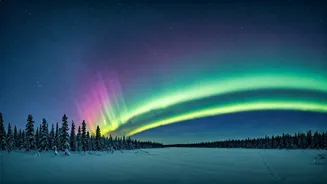
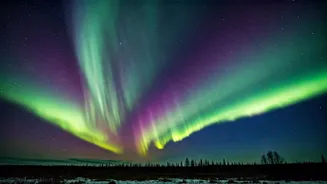
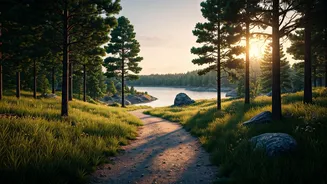
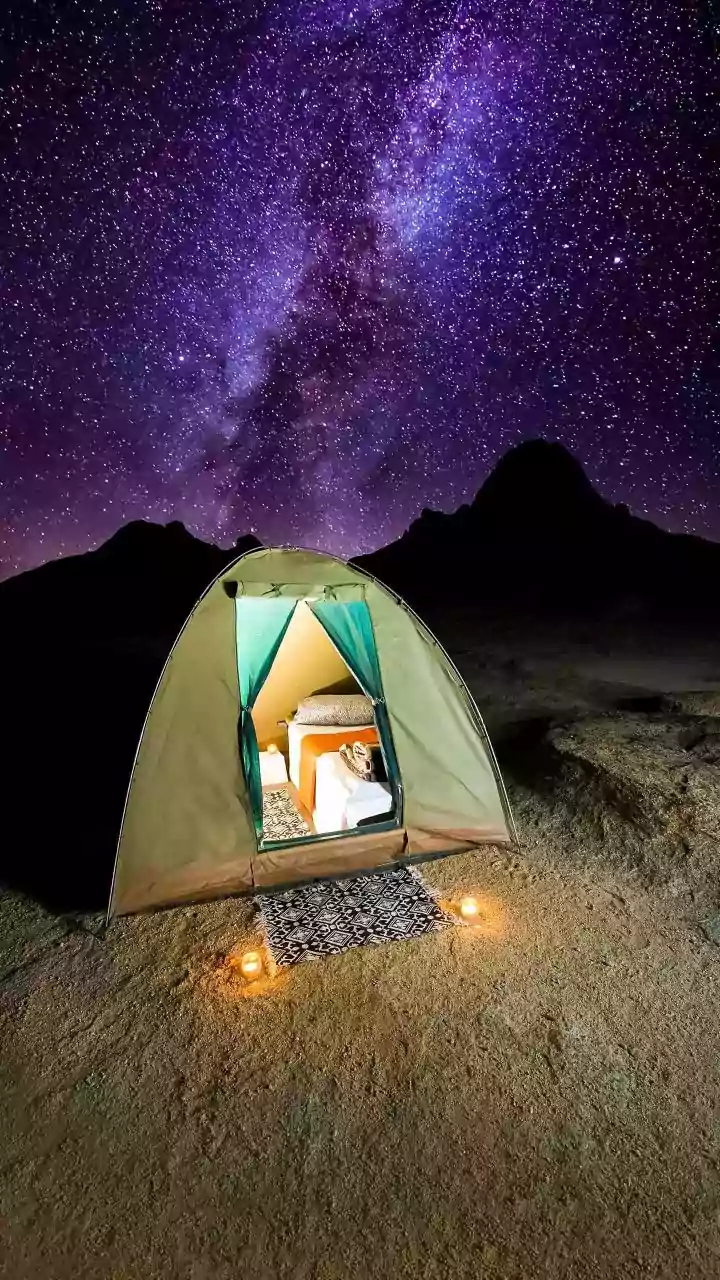
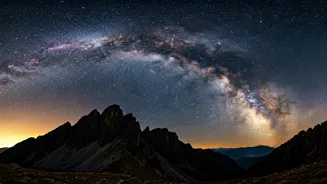
Acadia National Park's blend of New England coastline and mountain scenery is undeniably charming, which is why its roads and trails are often packed. For a different kind of northeastern water-based adventure, set your compass for Voyageurs National Park on the Minnesota-Canada border. This is a park defined by water, with over 40% of its area made up of interconnected lakes and waterways. Instead of driving, you explore by kayak, canoe, or motorboat, navigating a landscape of pristine shoreline, rocky islands, and boreal forest. It’s a haven for anglers, paddlers, and anyone seeking true quiet. And at night, with minimal light pollution, the sky puts on a show, with the Milky Way and even the Northern Lights making frequent appearances.
Swap Yellowstone for Theodore Roosevelt National Park, North Dakota
Yellowstone’s geysers and wildlife are legendary, but so are its traffic jams. For a powerful dose of American West history, wildlife, and badlands scenery, head east to Theodore Roosevelt National Park in North Dakota. This is where the future president forged his conservationist ideals. The park is split into three units along the Little Missouri River, offering painted canyons and vast grasslands. More importantly, it’s teeming with wildlife. You’ll find huge herds of bison, wild horses, pronghorn, and prairie dog towns, often with no one else in sight. It delivers that same thrilling feeling of spotting a massive bison herd, but with the quiet dignity of a landscape that hasn't yet been fully discovered by the masses.