





The Story of Place, or 'Terroir'
Much like with wine, the concept of 'terroir' is central to the taste of tea. This French term refers to the complete natural environment in which a particular tea is produced, including factors such as the soil, altitude, climate, and even the surrounding
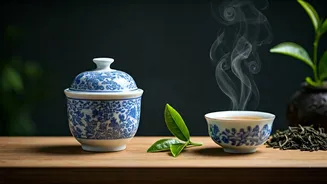
flora. A tea plant, Camellia sinensis, absorbs the characteristics of its environment. For example, slower growth in the cool, misty air of high mountains can create more concentrated aromatic compounds, leading to delicate, floral notes. In contrast, teas from warmer, lower-altitude regions might develop a more robust and brisk character. The soil's mineral content can impart a distinct texture or finish, while the season of harvest—often called a 'flush'—dramatically changes the flavour profile. Understanding that a Darjeeling from India and a Sencha from Japan taste different isn't just about the type of tea; it's about the story of the place they came from.
Decoding the Label: Single-Origin vs. Blends
When you shop for tea, you'll often see terms like 'single-origin' or 'blend'. A single-origin tea comes from one specific geographical location, which could be a country, a region, or even a single estate. This offers a pure expression of that area's unique terroir, with a flavour profile that can vary subtly from year to year. Blends, on the other hand, are created by tea masters who combine leaves from different origins to achieve a consistent and balanced flavour. Many classic teas, like English Breakfast, are blends designed to deliver a reliable taste every time. Neither is inherently better; they simply offer different philosophies. A single-origin tea is a taste of a specific place, while a blend is a work of craftsmanship designed for consistency.
Tea's Five Greatest Enemies
Once you bring your chosen tea home, protecting its quality is paramount. Tea doesn't 'expire' in the traditional sense, but it can become stale, losing its flavour and aroma over time. This degradation is accelerated by five key factors: light, air, heat, moisture, and strong odours. Light, especially direct sunlight, can break down the chemical compounds in the leaves, causing flavour loss. Air and the oxygen within it cause oxidation, which makes the tea taste flat. Heat from a stove or even the top of a refrigerator can bake the delicate essential oils out of the leaves. Moisture is perhaps the most dangerous enemy, as it can lead to mould. Finally, tea leaves are highly absorbent and will soak up strong smells from nearby spices or coffee, permanently altering their taste.
Your Ultimate Home Storage Guide
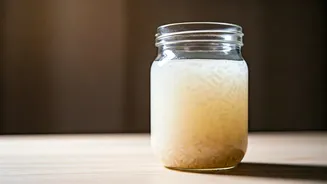
Proper storage is simple and makes a huge difference. The goal is to create a cool, dark, dry, and airtight environment. The best storage vessels are opaque, airtight containers made from non-reactive materials like ceramic, tin, or stainless steel. While clear glass jars look appealing, they expose tea to damaging light; if you use them, be sure to keep them inside a dark cabinet or pantry. Avoid plastic containers for long-term storage, as they may impart unwanted odours. A dedicated kitchen cabinet or pantry shelf away from the stove, oven, and dishwasher is an ideal location. It’s also wise to buy smaller quantities of tea more frequently to ensure you’re always drinking it at its peak freshness. Consuming your tea within a few months of purchase is a good rule of thumb.
Special Care for Different Teas
While the core storage principles apply to all teas, some types are more delicate than others. Fresh, unoxidized green and white teas are particularly sensitive to heat and light and have a shorter shelf life, typically best consumed within 6 to 12 months. Some enthusiasts even store unopened packages of these delicate teas in the refrigerator, but this requires a completely airtight and moisture-proof container to prevent condensation, which can ruin the leaves. Never store an opened package of tea in the fridge. More oxidized teas like black and oolong are generally more stable and can retain their quality for one to two years or even longer if stored correctly. Heavily fermented teas like Pu-erh are an exception, as they are often aged intentionally for years in specific conditions to develop their flavour.